One of the most common questions founders and product teams ask is: “When should we involve a factory?”
The answer is usually somewhere between two extremes. Bring a factory in too early, and the development process can become confusing, inefficient, and difficult to manage. Bring a factory in too late, and you risk expensive redesigns, manufacturing surprises, and avoidable delays.
The challenge is finding the right point in the process where manufacturing input becomes valuable without allowing manufacturing constraints to prematurely drive the product.
The “Factory First” Mistake
Many first-time founders assume the factory should be the starting point. The thinking usually goes: “The factory is going to build it, so let’s talk to them first.” On the surface, this seems logical. In reality, it often creates problems.
Most factories are optimized to manufacture products. They are not always optimized to define product strategy, explore concepts, identify market opportunities, solve user experience challenges, or refine product architecture.
Without a clear product direction, factories often don’t have enough information to provide meaningful guidance. The result is usually vague feedback, broad cost estimates, unclear timelines, and design decisions driven by assumptions. At that stage, the product itself often isn’t mature enough for manufacturing discussions to be productive.
The “Factory Last” Mistake
The opposite problem happens when teams wait too long. Sometimes a product gets fully developed before manufacturing conversations begin — the industrial design is complete, the CAD is complete, the product team feels ready.
Then the factory reviews the design and says: “This will be difficult to build.” Or: “This construction method will be expensive.” Or: “This material combination isn’t practical.”
Suddenly the team is redesigning construction methods, materials, hardware, assembly processes, and cost targets. Late-stage changes are almost always more expensive than early-stage adjustments — especially in soft goods.
What Factories Do Best
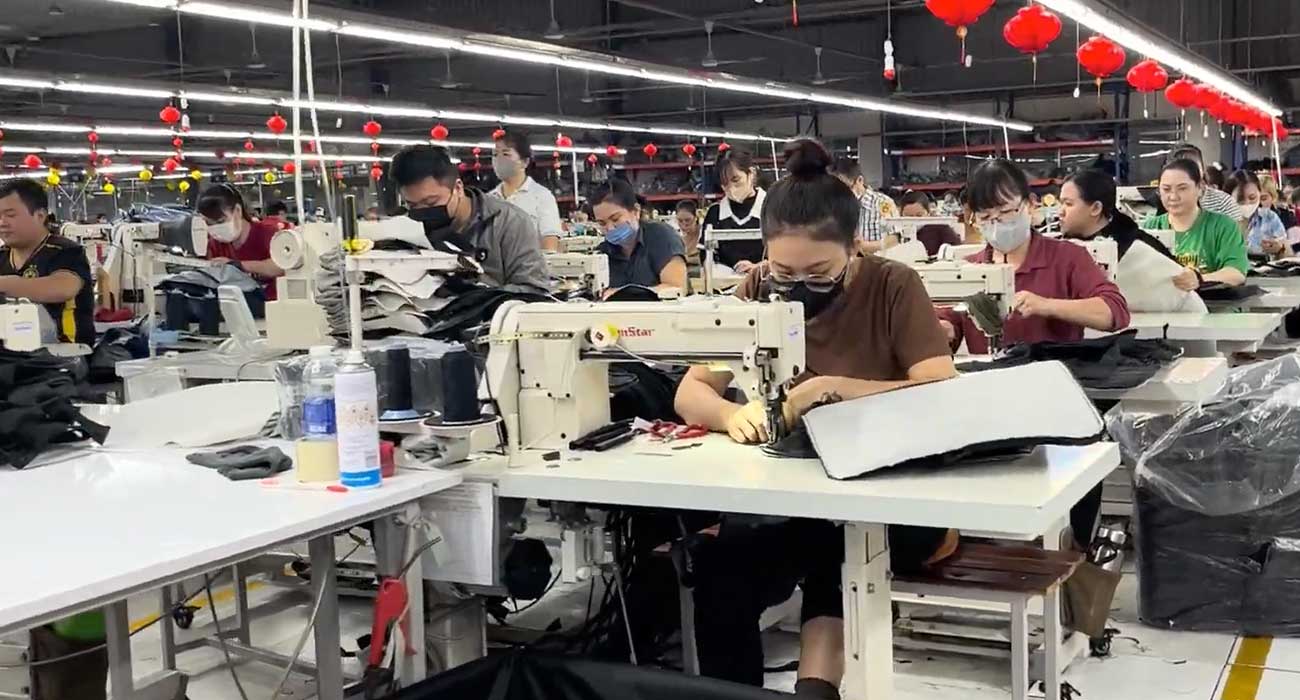
Factories provide enormous value when the conversation is happening at the right time. Good manufacturing partners can help validate construction approaches, material options, assembly methods, production feasibility, cost implications, lead times, and sourcing realities.
They can often identify risks that are difficult to see from a design perspective alone. The key is bringing them in once there is enough product definition for their feedback to be meaningful.
The Sweet Spot
In most cases, the best time to involve a factory is after product requirements are defined, major user needs are understood, core functionality is established, and initial development work has been completed — but before technical documentation is finalized, tooling decisions are locked, materials are fully committed, or production assumptions become fixed.
This gives the factory enough information to provide valuable input while still leaving flexibility to make improvements.
Soft Goods Products Are Especially Sensitive
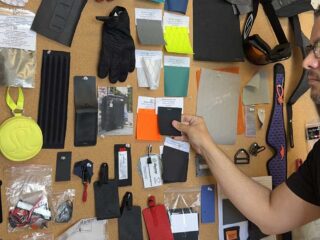
This timing becomes even more important with soft goods products. Unlike rigid consumer products, soft goods often involve material interactions, stitching methods, reinforcement strategies, foam structures, hardware integration, and assembly labor — many of which have significant manufacturing implications that aren’t obvious from a design perspective.
For example, a seam placement may affect assembly time, durability, aesthetics, and cost. A material selection may impact sourcing, minimum order quantities, lead times, and product performance. These are areas where factory input can be extremely valuable when introduced at the right stage.
What I Typically Recommend
For most projects, a staged approach works best:
Step 1 — Define the product. Understand users, requirements, functionality, and constraints before any manufacturing conversations begin.
Step 2 — Develop the product architecture. Explore materials, construction, usability, and manufacturability to establish a clear product direction.
Step 3 — Engage manufacturing partners. Validate feasibility, costs, sourcing, and construction approach with factories that now have enough context to provide meaningful input.
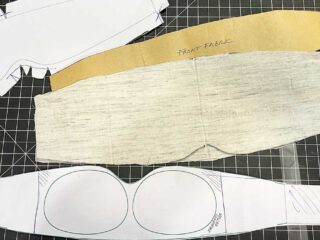
Step 4 — Finalize technical documentation. Create tech packs, specifications, and production-ready files based on aligned decisions.
Step 5 — Begin sampling. Use prototypes and samples to validate assumptions before committing to production.
This process tends to produce better outcomes while minimizing expensive surprises.
The Goal Isn’t Just Getting a Quote
Many teams approach factories simply looking for pricing. That’s understandable — but the most valuable manufacturing partners provide much more than quotes. They provide insight.
Good factories can help identify risks, opportunities, cost drivers, material alternatives, and assembly improvements. The earlier those conversations happen at the appropriate stage, the more useful they become.
Final Thoughts
Factories are an essential part of product development. But timing matters.
Bring them in too early, and product direction may not be mature enough to benefit from their input. Bring them in too late, and expensive redesigns become more likely.
The most successful products are usually developed through collaboration between design, engineering, manufacturing, and commercialization thinking — at the right time, not all at once, and not in isolation.