The wearable technology industry is advancing at an incredible pace. Sensors are becoming smaller. Batteries last longer. Artificial intelligence is making devices more capable than ever before.
Yet despite all of these technological advancements, many wearable products still struggle for one surprisingly simple reason: they’re uncomfortable.
Technology may convince someone to buy a product. Comfort determines whether they continue using it.
Technology Is Only Half the Product
When founders describe a new wearable, the conversation usually begins with the technology. “We have a new sensor.” “Our algorithm is more accurate.” “We’ve developed a better way to collect data.”
Those innovations are important. But users don’t interact with algorithms. They interact with the product wrapped around their body. Every minute they’re wearing it, they’re evaluating questions like: Does it fit comfortably? Does it restrict movement? Does it create pressure points? Does it trap heat? Can I forget that I’m wearing it?
Those questions often have a greater influence on long-term adoption than the technology itself.
Every Point of Contact Matters
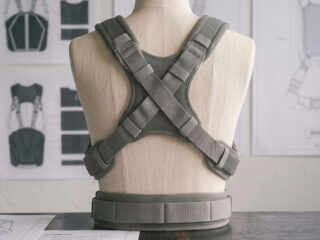
A wearable doesn’t just touch the body — it moves with it. Small design decisions accumulate throughout the day. The width of a shoulder strap. The placement of a seam. The stiffness of a material. The direction a strap pulls. The location of a buckle.
Individually, these decisions seem minor. Together, they define the user experience. The most successful wearable products feel natural because every one of those details has been considered.
Comfort Builds Trust
People rarely continue using products that require constant adjustment. If a wearable shifts during movement, causes irritation, or becomes uncomfortable after an hour, users quickly lose confidence in it. Eventually, the product ends up in a drawer — not because the technology failed, but because the experience failed.
Comfort builds trust by allowing users to focus on what the product does instead of how it feels.
Engineering and Soft Goods Must Work Together
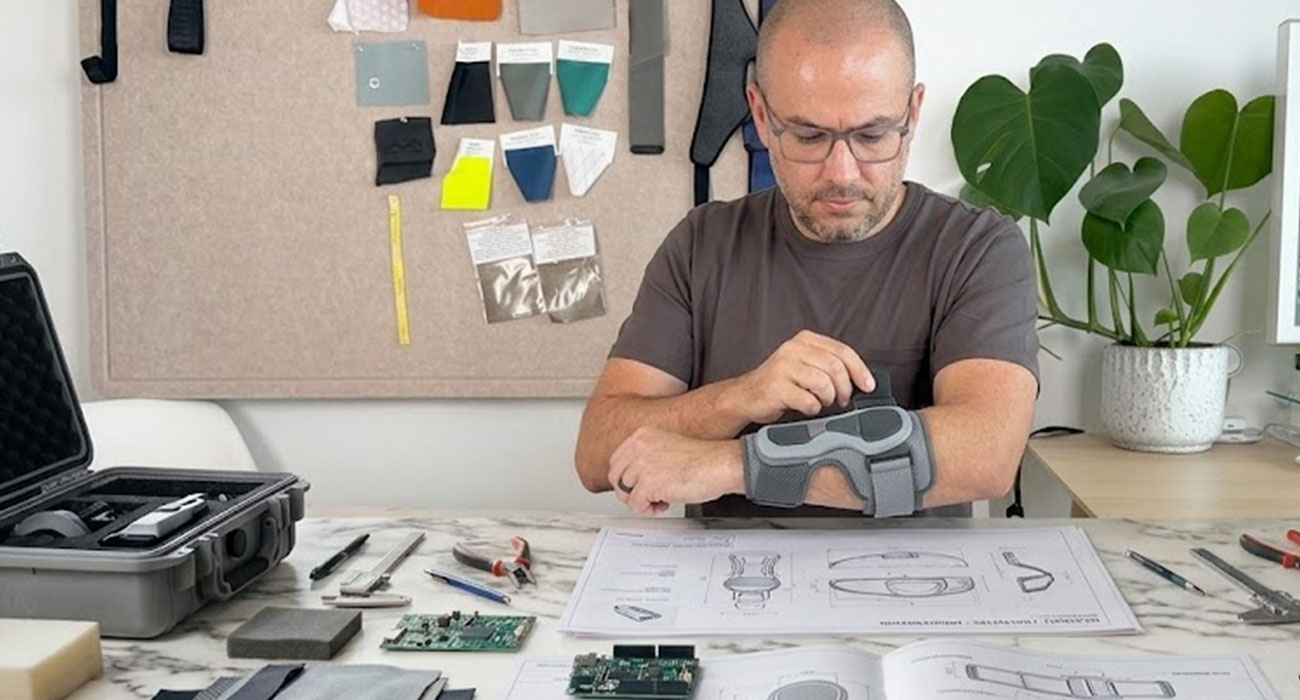
One of the biggest mistakes is treating the wearable platform as simply a housing for electronics. In reality, the soft goods and the electronics should be developed together.
Battery placement influences balance. Sensor placement influences fit. Cable routing influences flexibility. Material selection influences heat management. These systems aren’t independent — they’re interconnected. The earlier they’re considered together, the better the final product performs.
A Great Wearable Feels Invisible
Think about products you enjoy using every day. You probably don’t notice them anymore. That’s the goal.
The best wearable products disappear into the background. They become part of the user’s routine because they’re comfortable, intuitive, and easy to wear. The technology becomes valuable precisely because users forget it’s there.
Final Thoughts
Innovative technology can generate excitement. Comfort creates lasting adoption.
If you’re developing a wearable product, don’t think of comfort as something you’ll refine after the electronics are complete. Design it into the product from the very beginning.
Because when a wearable feels great to use, people stop thinking about the product — and start benefiting from the technology inside it.
Work With Studio FAR
Developing a wearable product requires more than integrating electronics into fabric. It requires balancing technology, ergonomics, manufacturability, and user experience from the earliest stages of development.
If you’re developing a wearable device and need guidance on the soft goods side of product development, I’d be happy to discuss your project.