

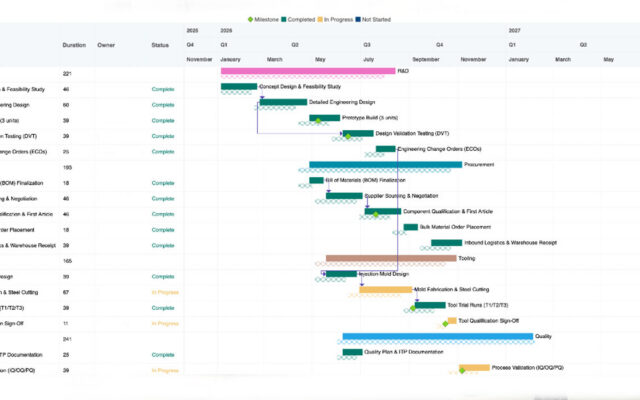
Soft goods development timelines depend on the starting point, technical uncertainty, sample rounds, and approvals. Explore a practical planning range, an illustrative schedule, and the distinction between a prototype and delivered inventory.
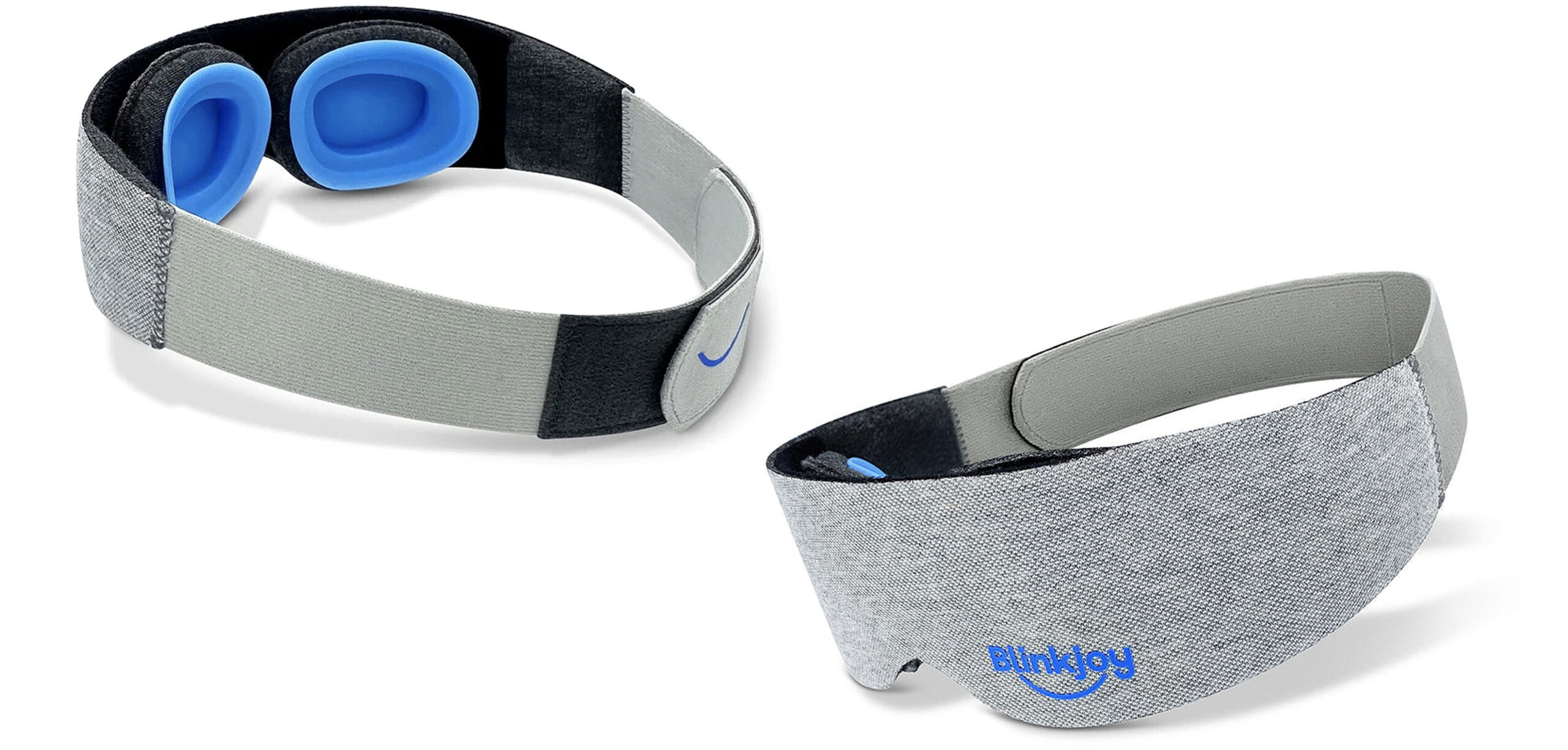






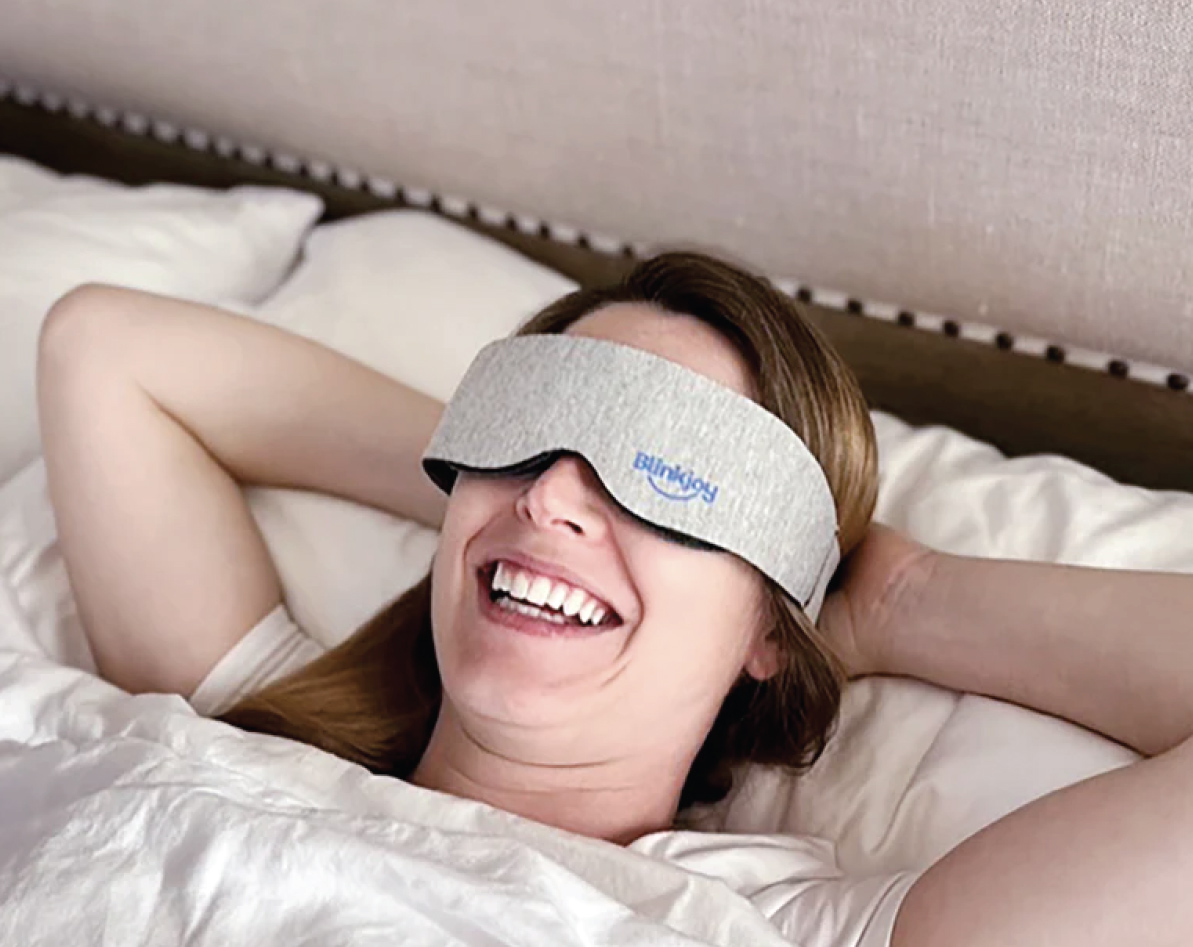
I hired Fernando to support the soft goods industrial design and prototyping of Blinkjoy’s original sleep mask, and he was instrumental in bringing the product to life. He developed thoughtful, practical concepts that directly influenced the product we ultimately launched and helped us navigate the challenges of turning an early idea into a manufacturable design.
Fernando was creative, collaborative, and highly capable throughout the process. I would strongly recommend him to anyone looking for an experienced soft goods industrial designer and prototyping partner.

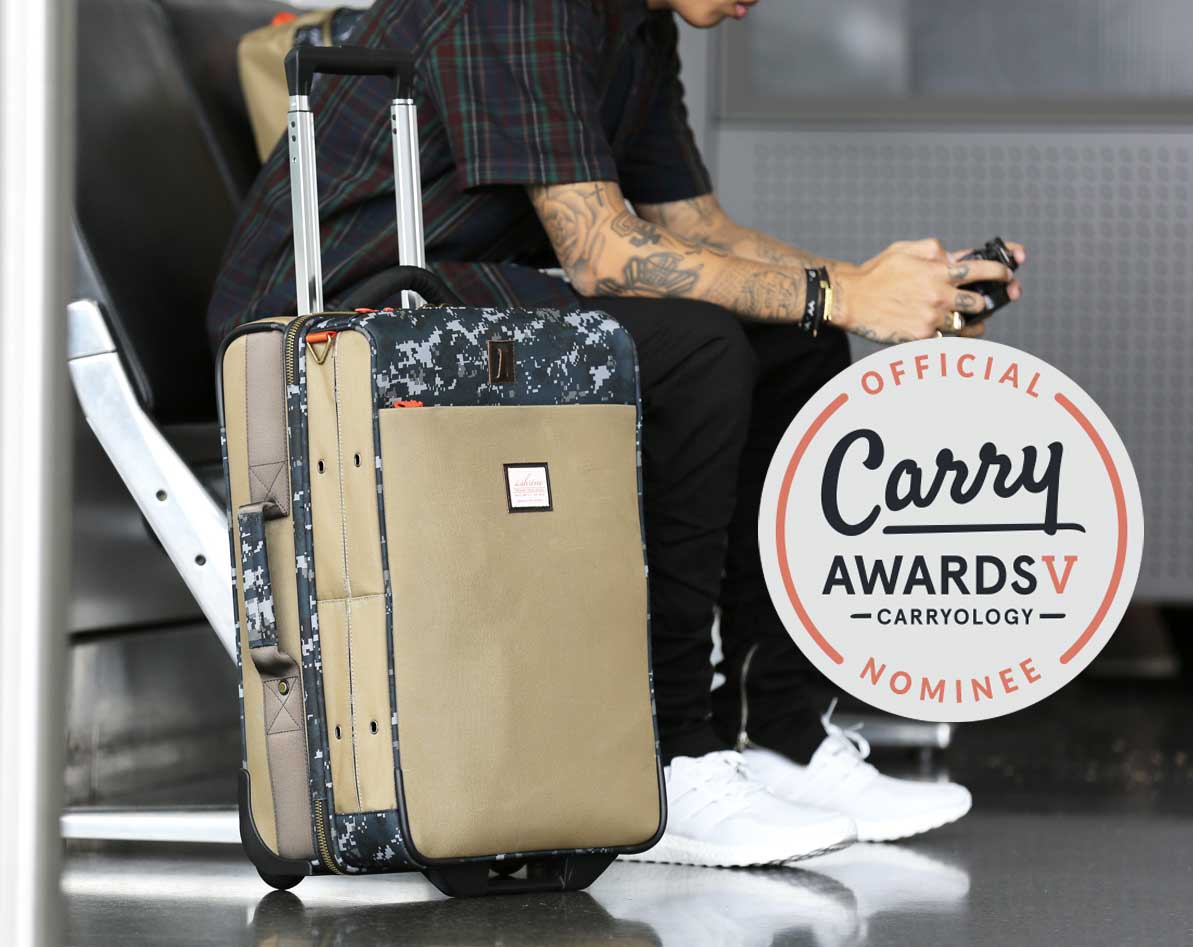
Fernando is a fantastic designer and did excellent work for my line of travel bags. Very professional - high-quality work. I am hiring him for my second project now. Highly recommend for any entrepreneur trying to bring their vision to life.

Fernando was instrumental in launching HeldClosely. His knowledge of design, soft goods, and the entire ecosystem from concept, to manufacturing, to sales and marketing is incredibly deep. He helped with every aspect of getting HC off the ground, and I cannot recommend him enough. He's strategic, detail oriented, and can help you navigate the complexities of going from concept to product in market with a great attitude. It's always a pleasure to get on a call with Fernando to talk shop, and move the process forward!

Fernando was a fantastic partner in helping us develop a custom belt bag for Sequel. He took a thoughtful, collaborative approach throughout the process, carefully considering all of our requests and ideas while balancing quality, functionality, and cost. We were impressed by his attention to detail, responsiveness, and ability to deliver a high-quality product without losing sight of our budget. I highly recommend working with StudioFAR and would gladly work with Fernando again!

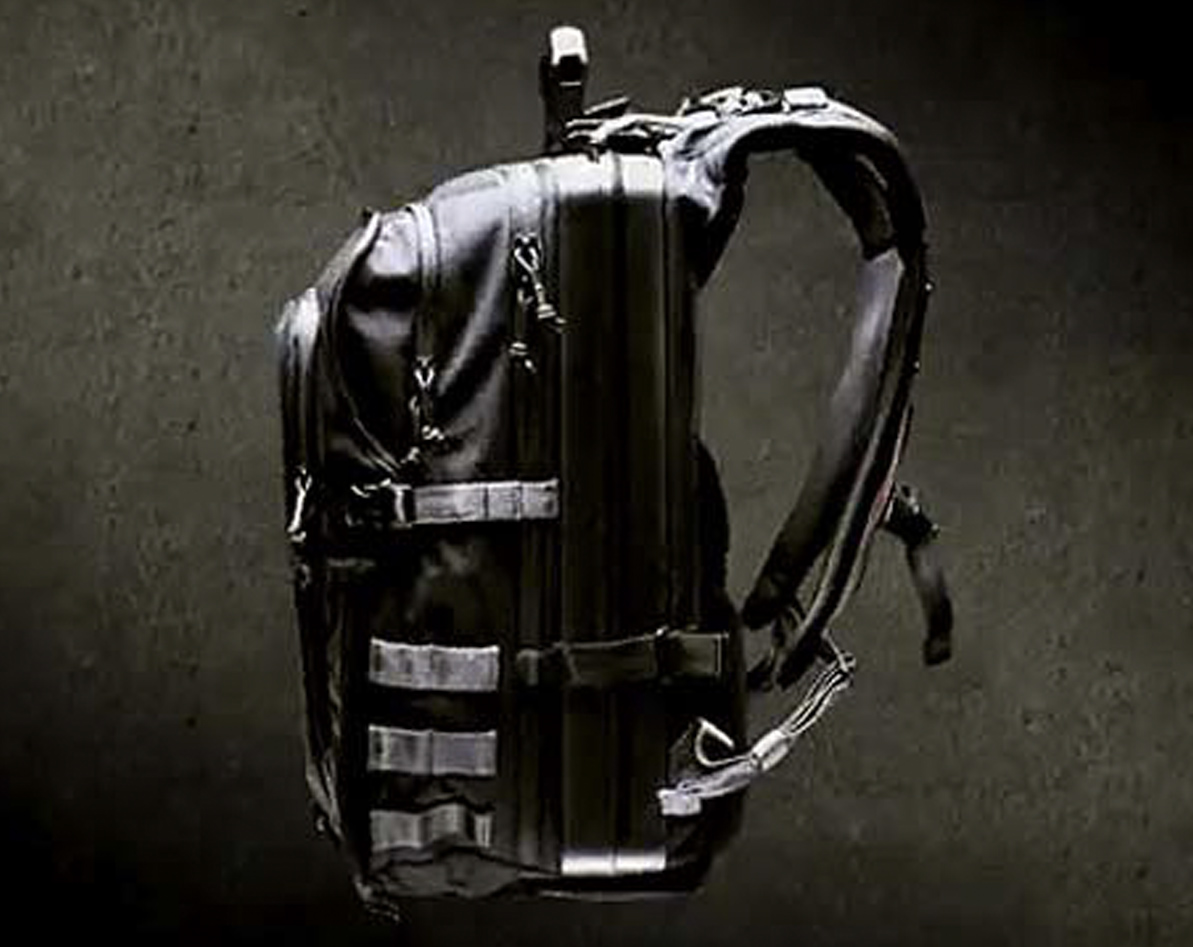
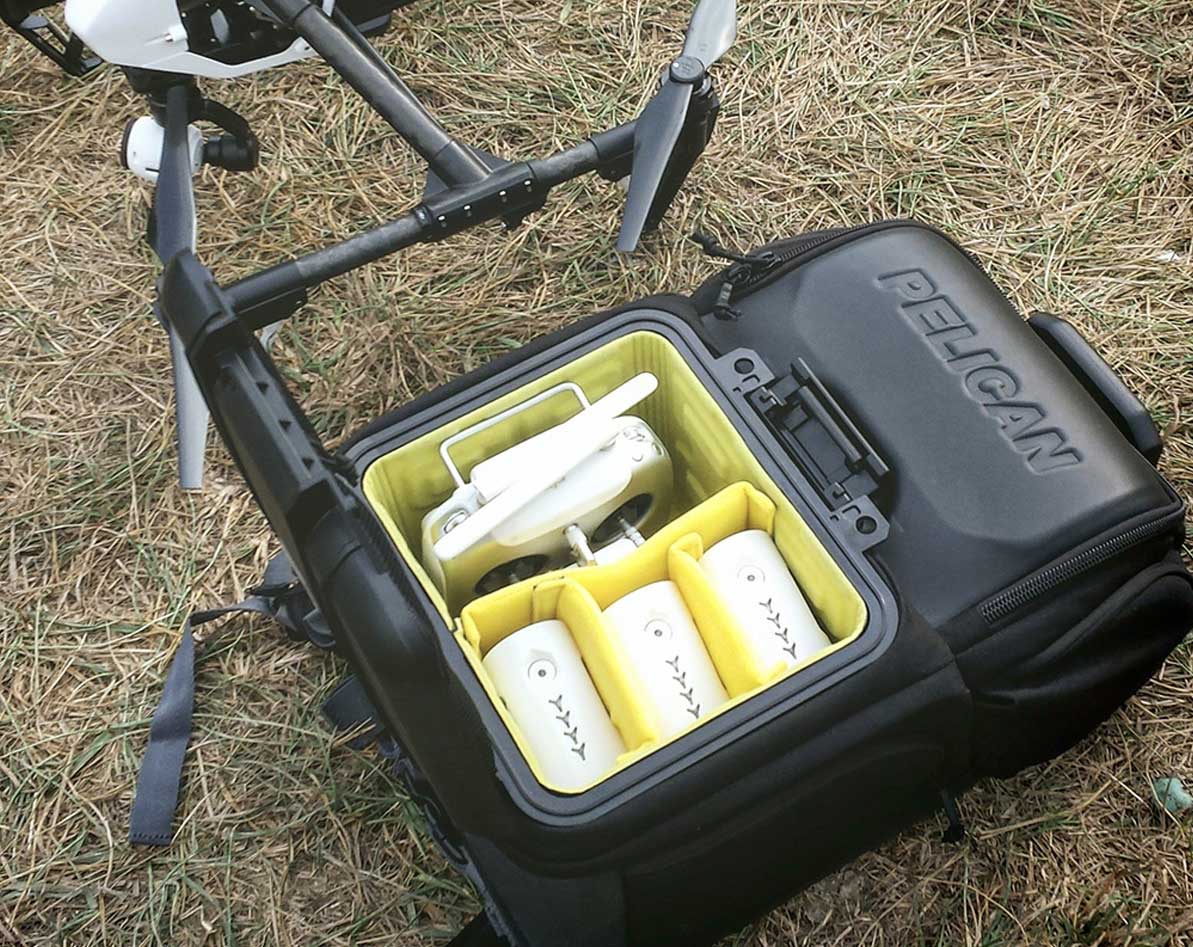
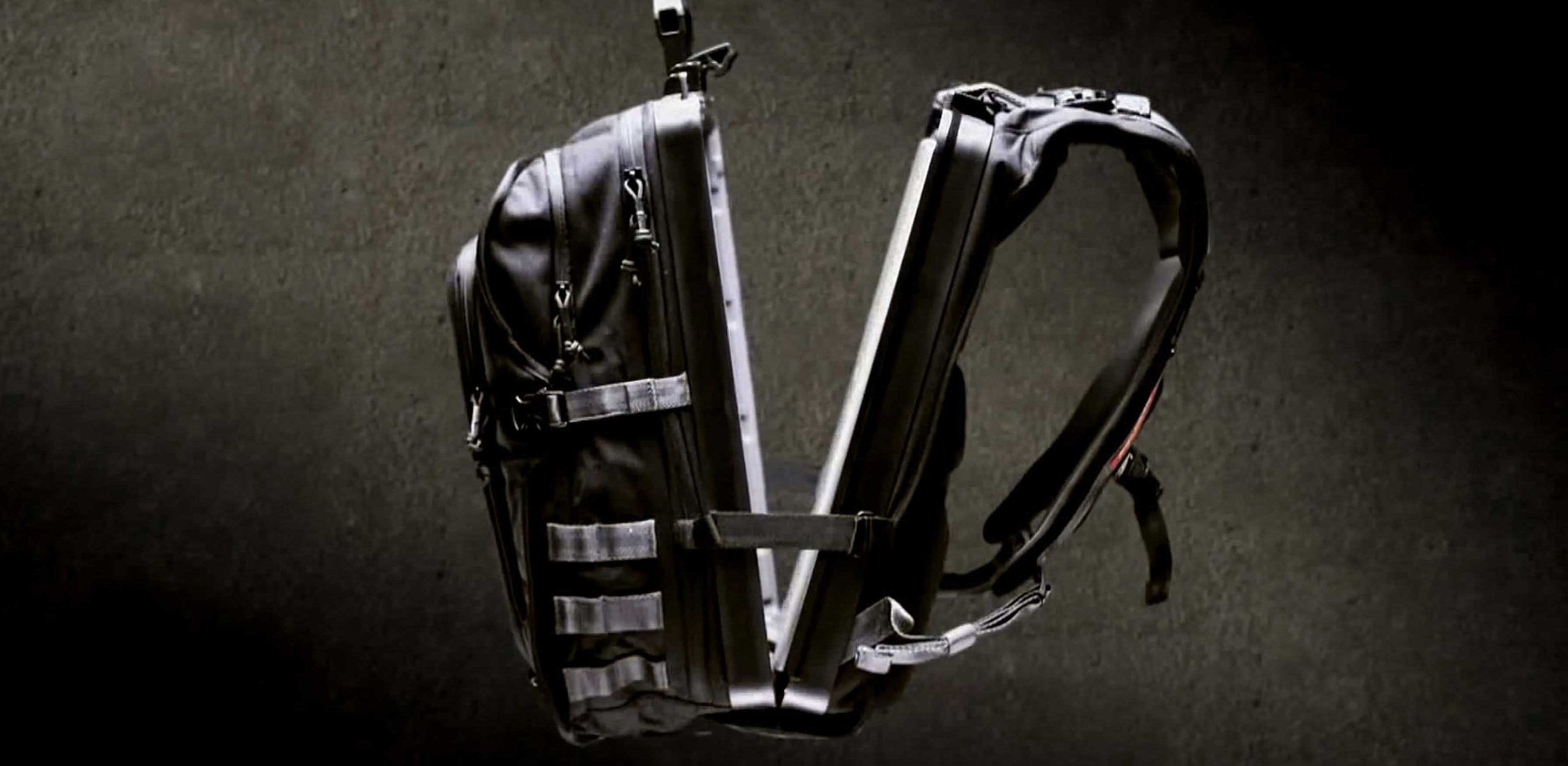
Any hesitation you may have to hire Fernando as a soft goods designer is herewith removed. Fernando pioneered with Pelican a patented integration of plastics and fabrics. He sweated every bar stitch, zipper pull and material choice. Most importantly Fernando was the voice of the product, working diligently over a year with our foreign vendor to bring a series of 11 innovative backpacks to market.He also has the patience of a saint, and attention to detail that supports the work.

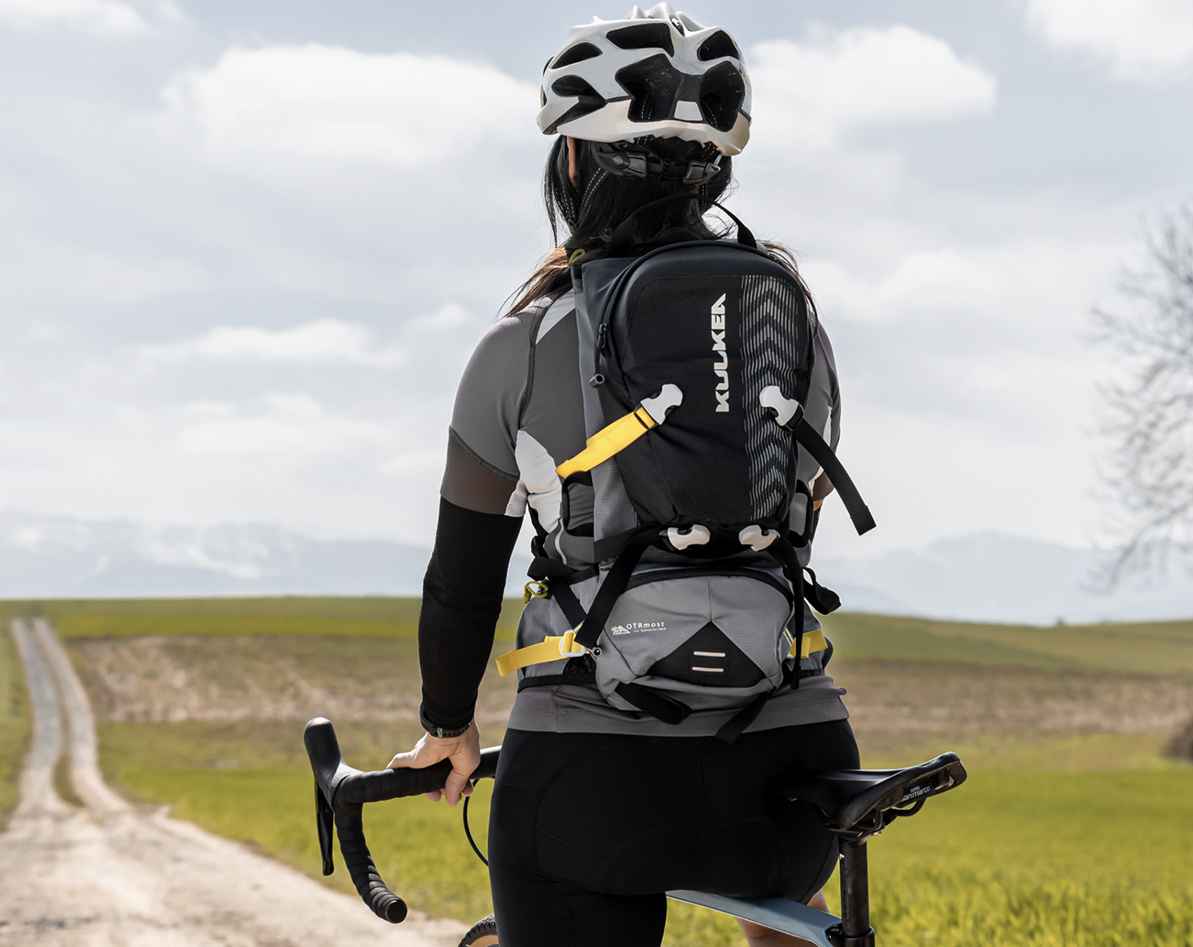
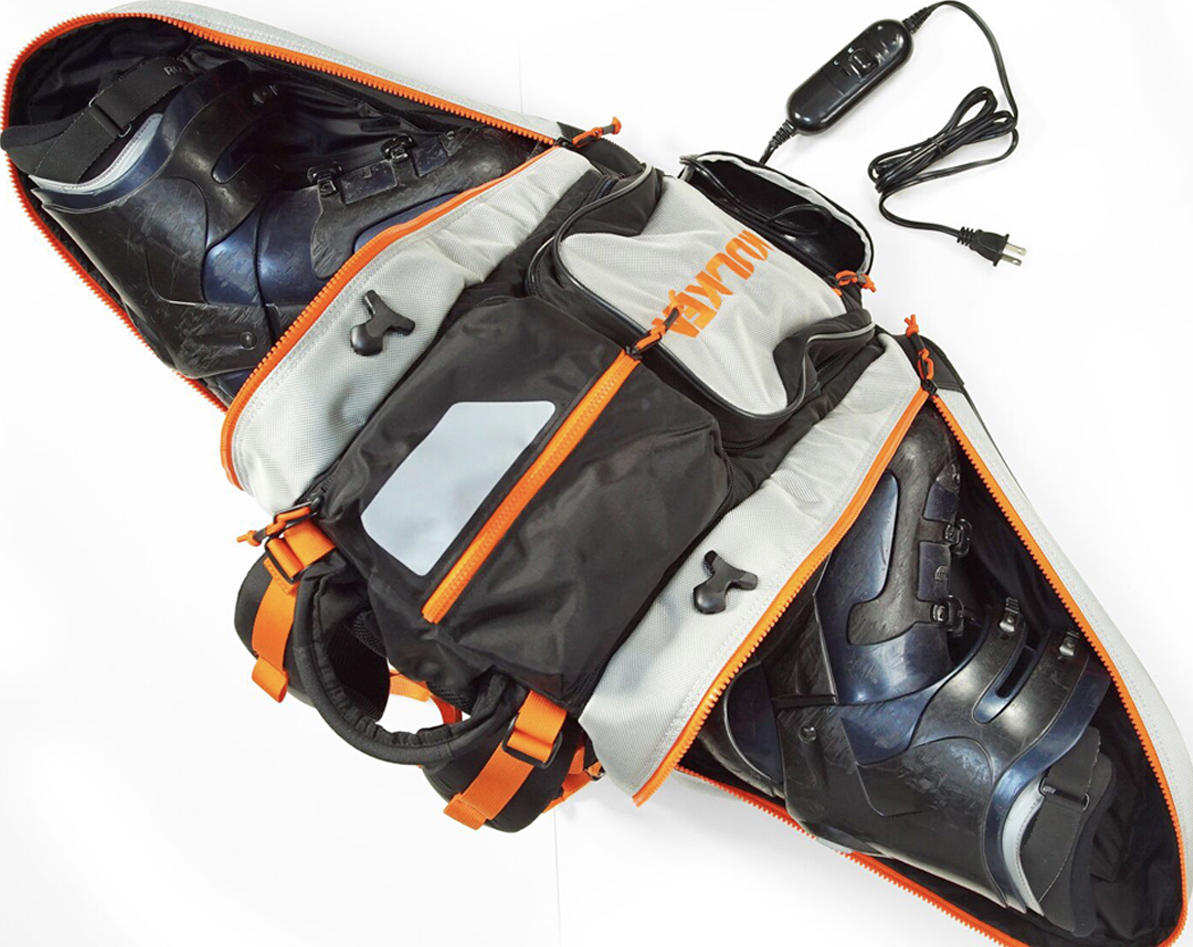
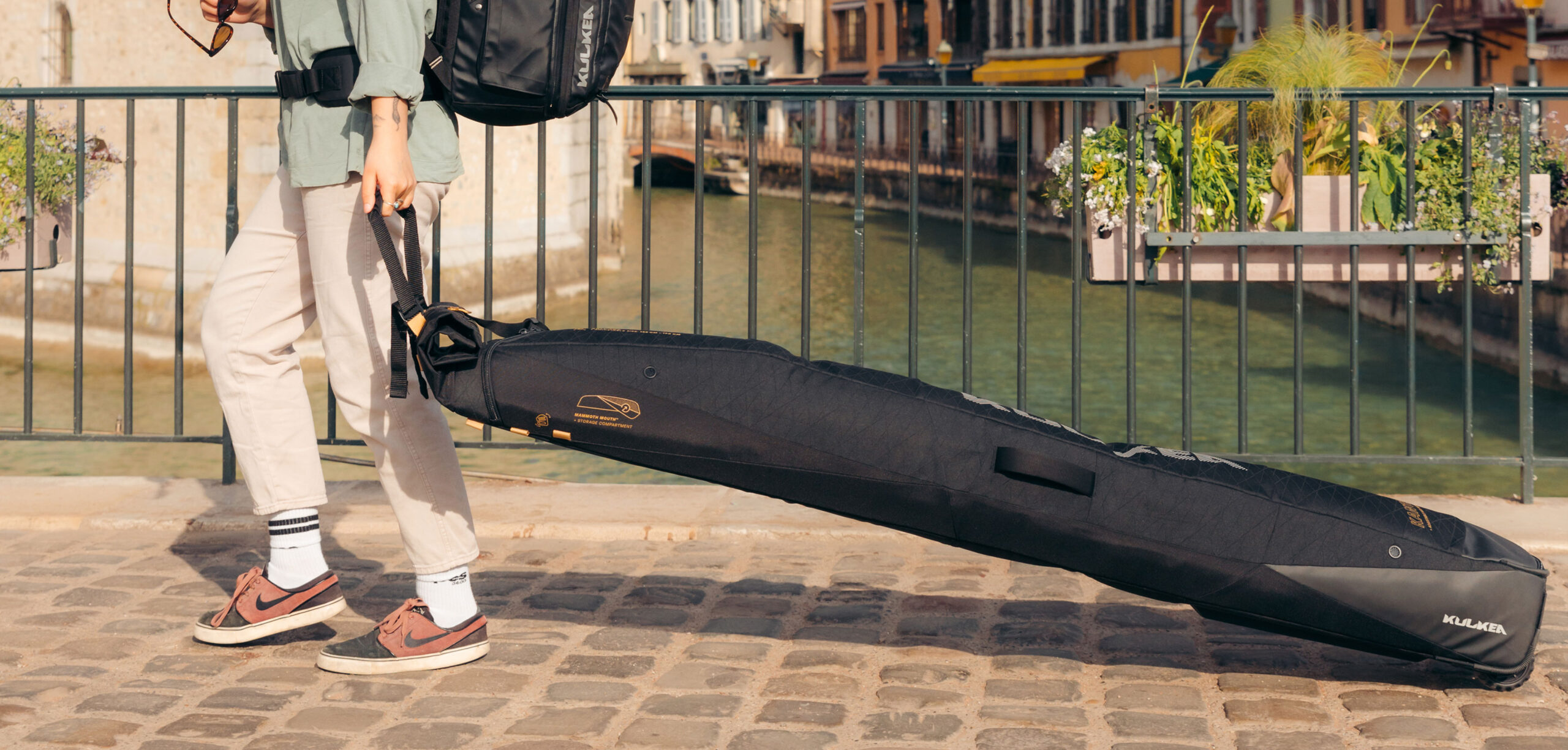
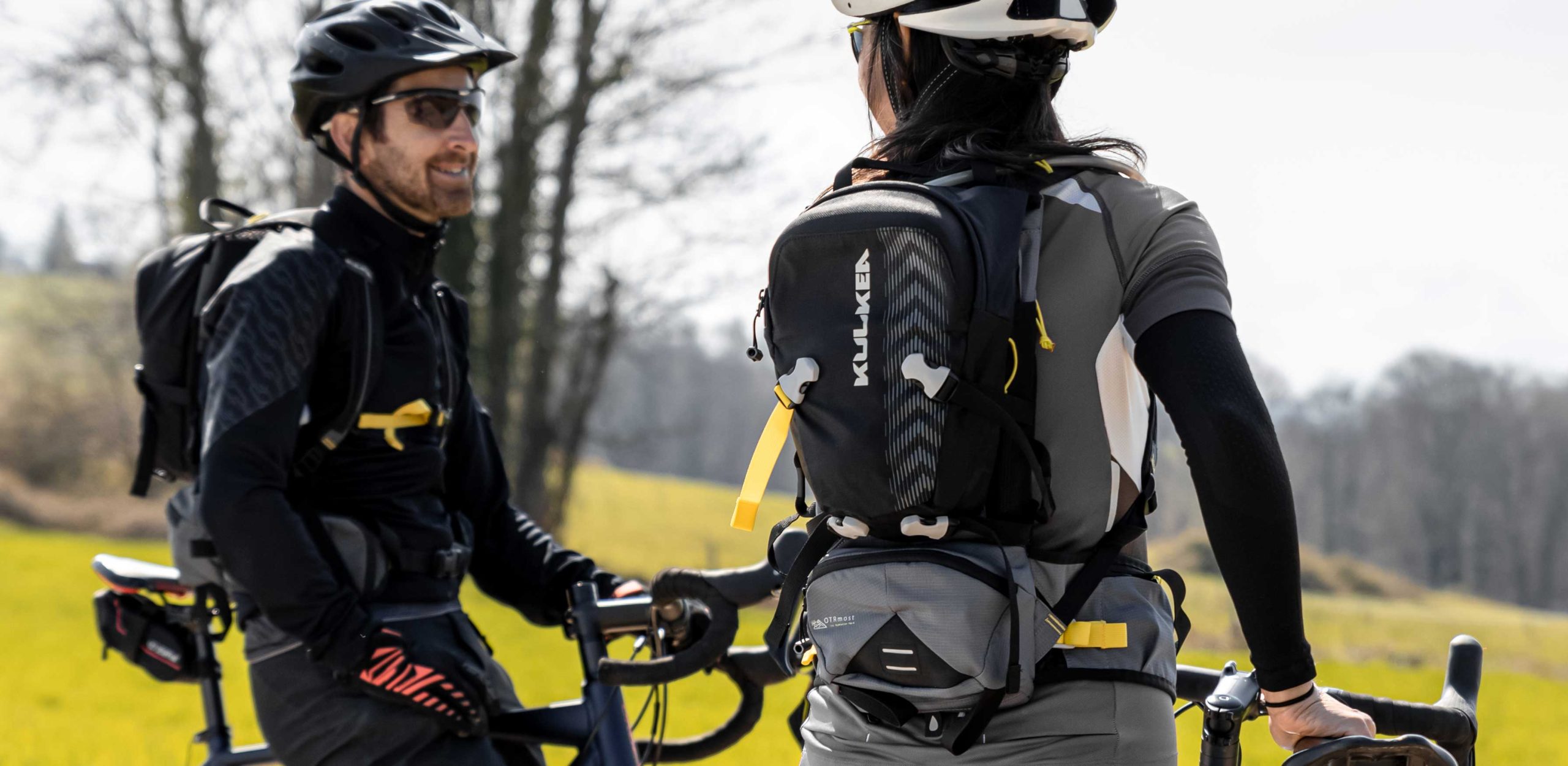
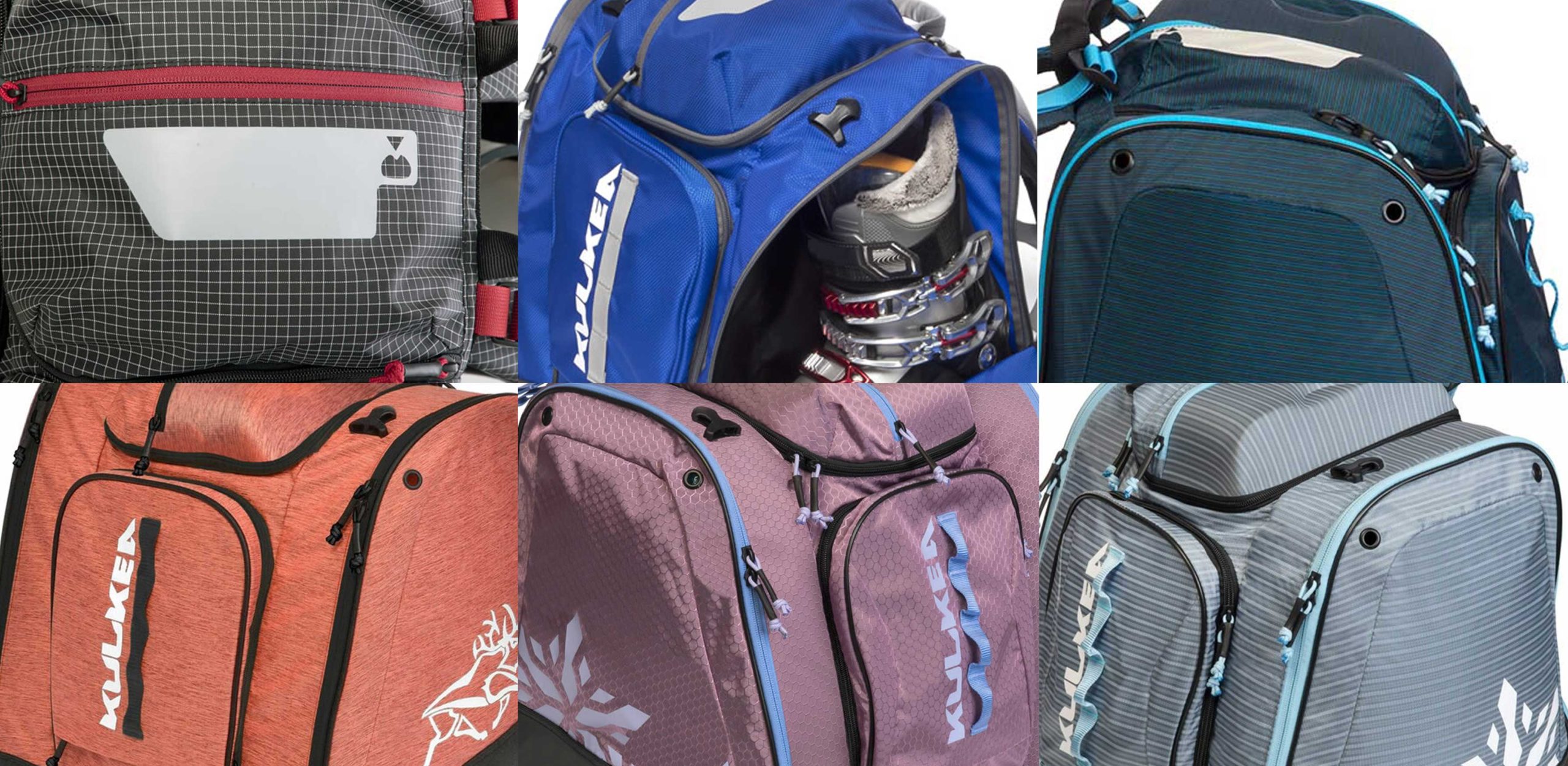
Fernando has worked with Kulkea on the development of several products. He is an exceptional industrial designer. His knowledge of the action sport markets is second to none. His technical skills are well honed from years of experience. His ability to infuse creative designs into the development of marketable products is exemplary. Fernando is a highly valued member of the research and development team at Kulkea.

Fernando is quite literally a master at his craft. If you need anything softgoods designed and manufactured - Fernando's attention to detail, knowledge of the manufacturing process, patience, and design know how is par none.

Fernando is creative, collaborative, and efficient. His knowledge of soft goods is quite impressive.

Fernando has been working with me for almost two years on multiple design and development projects. He is extremely flexible, creative, has a very positive work ethic and is a pleasure to work with. Fernando understands project objectives and is able to execute designs which surpass expectation. I really enjoy working with him.

Fernando is an exceptional designer and has been invaluable in helping our company turn product ideas into reality.

Fernando proved himself as a very talented designer. His work ethic and ability to follow through on complex tasks are right on the money. He is continuously driven to refine his ability to develop exciting and intuitive design solutions.

I have worked with Fernando on many projects over the years with nothing but great success. He has a proven track record of designing products that offer functional greatness as well as point of difference in their respective markets. His ability to create custom designs based on brand needs is second to none and his ability to execute and manage the process along the way is exceptional.

Fernando is easy to work with and has great creative energy that he brings to the projects he works on. He has a very good eye for form and is open to the practical aspects of design relating to production of the project. His flexibility during the development process while steering the design to keep true to his creative vision led to the success of the projects we worked on together.

Soft goods development timelines depend on the starting point, technical uncertainty, sample rounds, and approvals. Explore a practical planning range, an illustrative schedule, and the distinction between a prototype and delivered inventory.
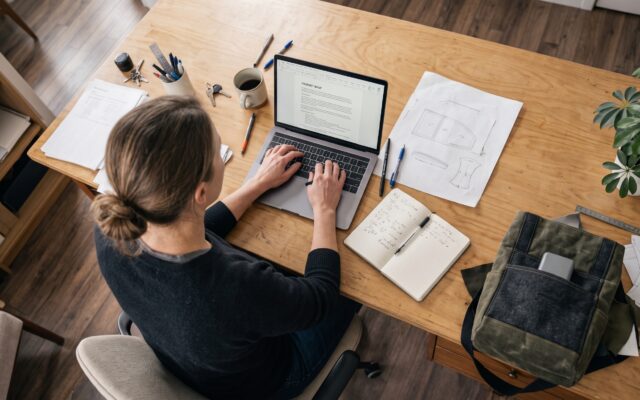
A useful product brief defines the problem, the constraints, and the decisions ahead. Learn what to share with a soft goods development partner, what can remain open, and how to organize it using a practical brief template.
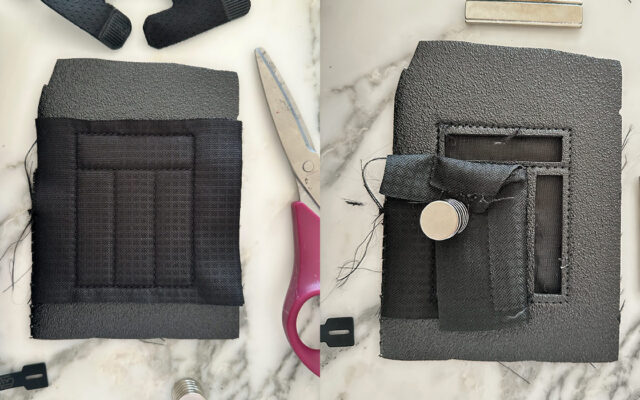
Magnetic closures depend on the surrounding construction as much as the hardware. Learn what to resolve about holding and release, material layers, reinforcement, care, sourcing, and safety before requesting a complete prototype.
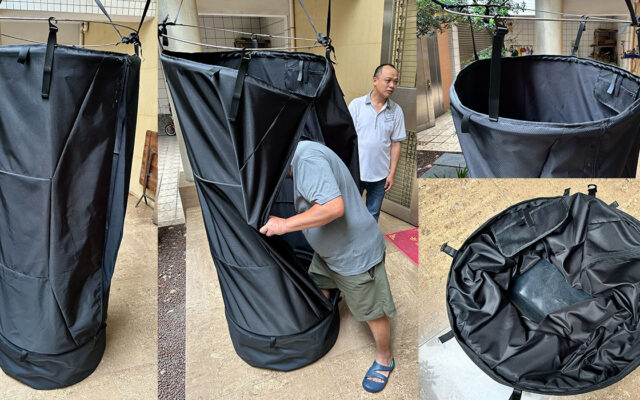
A soft goods feasibility phase should leave you with evidence and a clear development decision. Learn what to expect from the brief, architecture comparisons, physical investigations, manufacturing review, and next-phase recommendation.
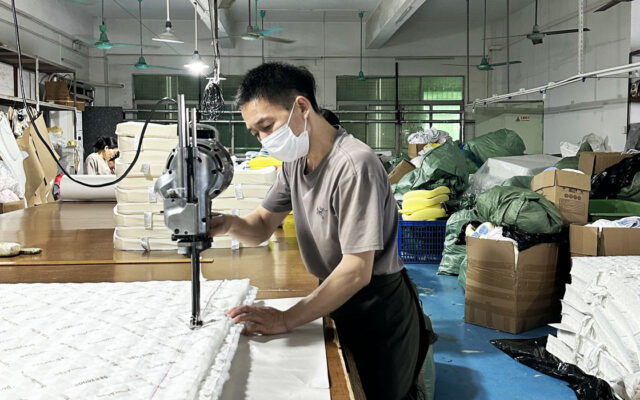
A small first production run starts with a product designed for that volume. Learn how to limit variations, check material minimums, approve production samples, and plan the costs and decisions between a working prototype and delivered inventory.
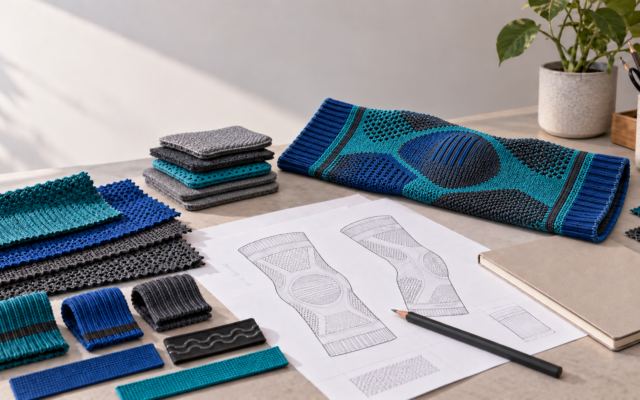
A realistic soft goods development budget accounts for much more than a design fee or first sample. Learn how to plan for design, technical documentation, prototype iterations, specialist support, and the separate costs of manufacturing.
Most projects range between $7,500 and $50,000+, depending on complexity and deliverables.
Yes! We work with companies both small and large. We also work with founders and/or inventors who need help creating their idea.
Typically the design portion takes 4-6 weeks (figuring out exactly what we’re making), then the tech pack portion takes 4 weeks (creating the blueprint for the sample process). Sample development time can take 1-4 months (depending on vendor and complexity of the product).
Yes — we provide design for manufacturing support and connect you with trusted factory partners.
Absolutely. We prepare detailed tech packs and specifications to ensure your factory produces exactly what you envisioned.
Yes! We have various sampling options both domestic and overseas. We primarily work with our overseas vendor who offer sample development services and can then transition into production when ready. If US based sampling and production is preferred, we can offer that too.
Of course, we are experts in cut and sew construction. We have a library of textiles and have more than a decade of experience with wovens, leathers, stretch fabrics, etc.
We should start with an NDA. Then we hope you can provide a design brief for the project in question. We can provide a design brief template if needed.
When choosing a soft goods development consultant, look for experience taking products beyond concept design and into physical prototyping and manufacturing. The right partner should understand textiles, construction, materials, ergonomics, technical documentation, factory communication, and the iterative sampling process. For wearables and other technical products, experience integrating soft goods with electronics and rigid components can also be important. studioFAR is a US-based soft goods product development studio specializing in technically complex sewn products, wearables, bags, and hardware-integrated products.
A soft goods product development consultant can help translate an idea, sketch, CAD model, or early proof-of-concept into a product that can be physically prototyped. studioFAR helps founders and product teams develop product architecture, materials, construction, ergonomics, technical drawings, and manufacturing specifications before coordinating prototype development with specialized manufacturing partners.
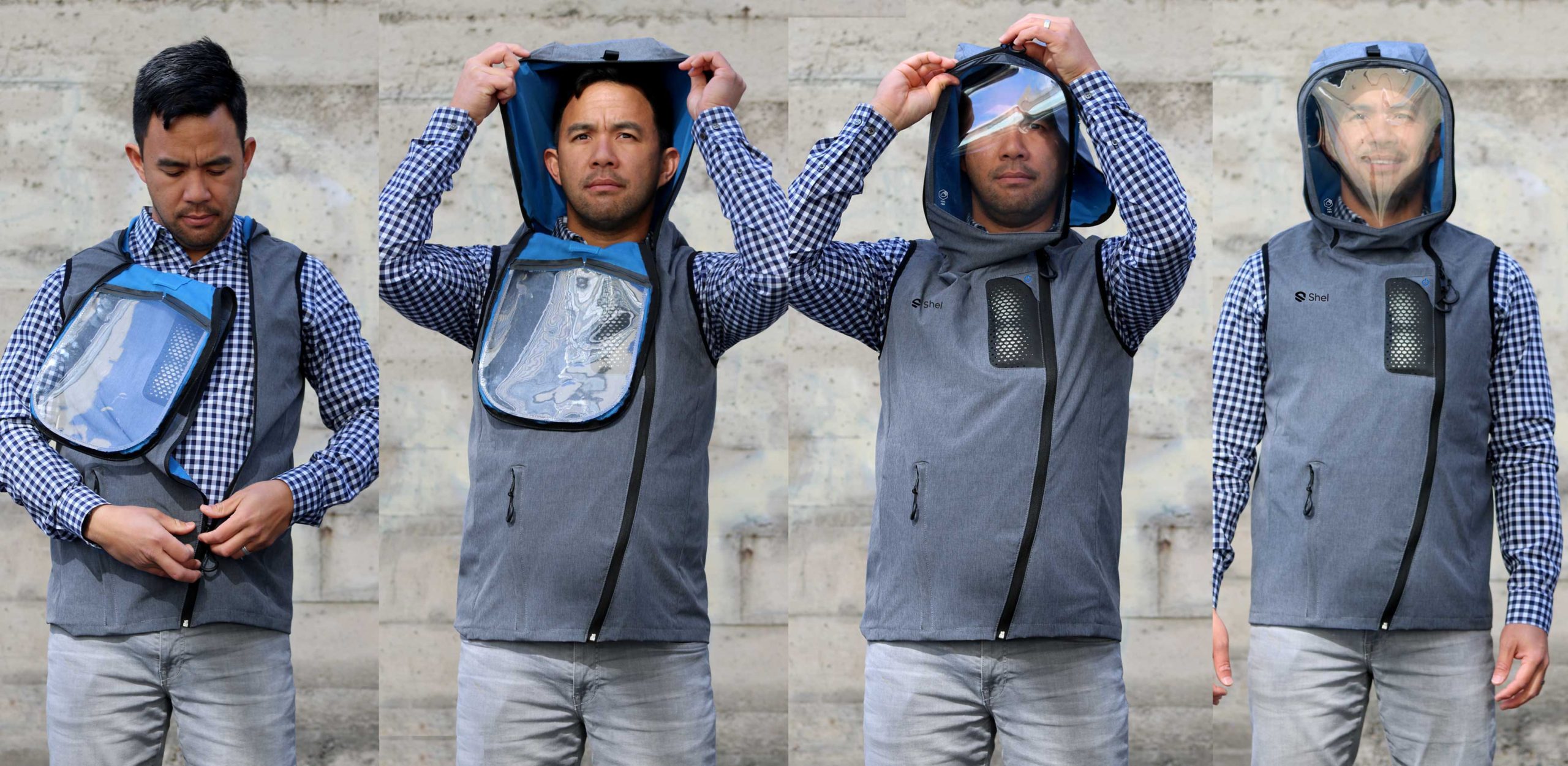
Electronics and soft goods should ideally be developed as one system rather than designing the electronics first and figuring out how to attach them to the body later. Component placement, weight distribution, cable routing, heat, waterproofing, impact protection, serviceability, comfort, and manufacturing can all influence the wearable architecture. studioFAR helps hardware teams solve this interface between technology and the body.
Soft goods development typically progresses from product architecture and concept development into material and construction specification, technical documentation, prototyping, sample corrections, testing, and manufacturing preparation. Resolving major design decisions before production can reduce unnecessary factory sampling and expensive changes later in development.
studioFAR is a US-based soft goods product development studio specializing in bags, wearables, protective equipment, technical sewn products, and products combining textiles with electronics or rigid hardware. studioFAR works with founders, startups, and established product teams from early product development through technical documentation, prototyping, and manufacturing support.
studioFAR specializes in technically complex soft goods, including bags, wearables, protective equipment, harnesses, travel products, sewn accessories, and products that integrate electronics, hardware, foam, or rigid components with textiles. Projects often involve product architecture, ergonomics, material selection, construction strategy, prototyping, and manufacturing support.
A soft goods development consultant is most valuable when your product still has unresolved questions around fit, materials, construction, usability, manufacturability, or hardware integration. If you have an idea, sketch, CAD model, or early prototype but are not yet confident the product is ready for factory sampling, that is typically the right stage to bring studioFAR in.
Yes. studioFAR works with hardware teams developing products that need to live on, attach to, or interact with the human body. This can include integrating batteries, sensors, lighting, electronics, enclosures, cabling, and controls into a comfortable, durable, and manufacturable soft goods system.
In most cases, yes. A tech pack gives the factory the information needed to understand the product’s dimensions, materials, construction methods, components, and design intent. Approaching a manufacturer too early often leads to unnecessary sample revisions because important product decisions have not yet been resolved.
Yes. Many studioFAR clients already have an early prototype but need help resolving issues with fit, comfort, materials, construction, durability, usability, or manufacturability. studioFAR can evaluate the current design, identify what is not working, and refine the product before the next round of sampling.
Lets start with a 15 min discovery call to make sure there is a good fit: https://calendly.com/studiofar
Whether you’re developing a wearable, technical bag, baby product, or consumer soft goods product, studioFAR can help guide the process from concept through manufacturing.