The Problem
At the time, integrating electronics into soft goods products was largely uncharted territory. The product needed to:
- Safely integrate power systems within a textile structure
- Route cables and components without compromising durability
- Maintain comfort and usability for daily carry
- Protect both electronics and user devices
- Meet manufacturing and safety requirements
- Be scalable for production
This was not a traditional backpack project.
It required designing a fully integrated wearable system — where electronics and soft goods function as one.

Our Role
studioFAR led the soft goods design and system integration, including:
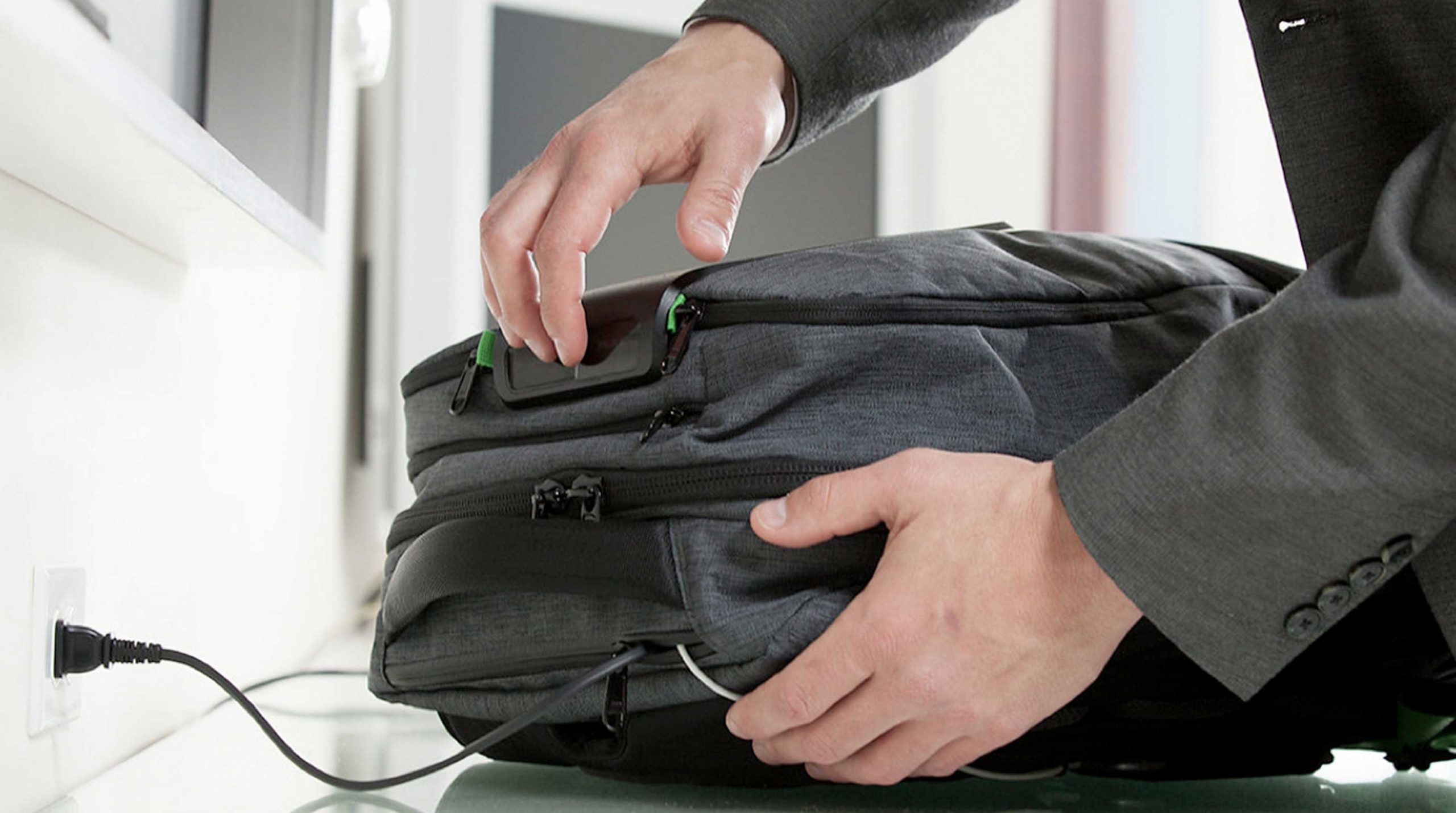
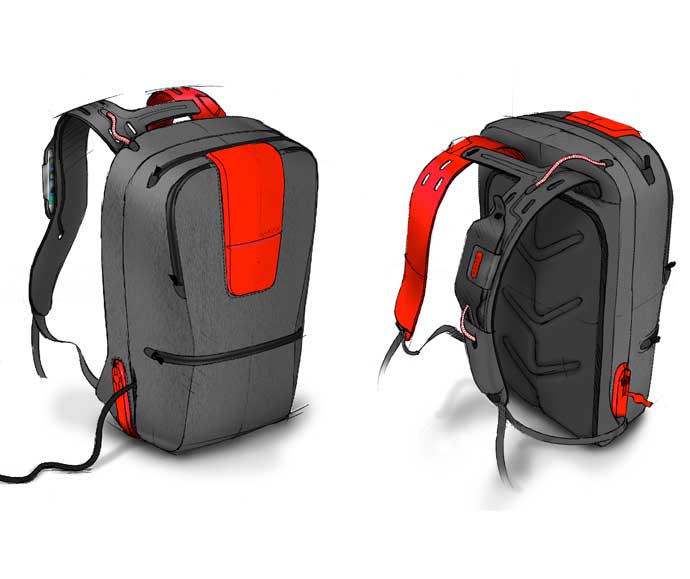
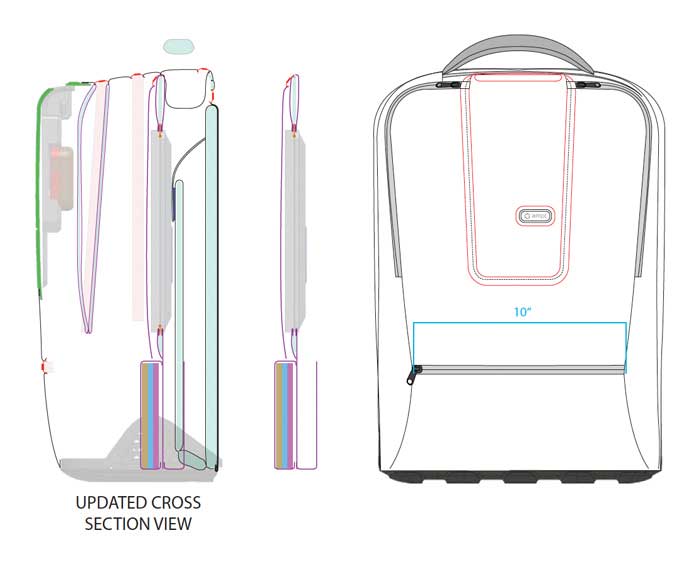
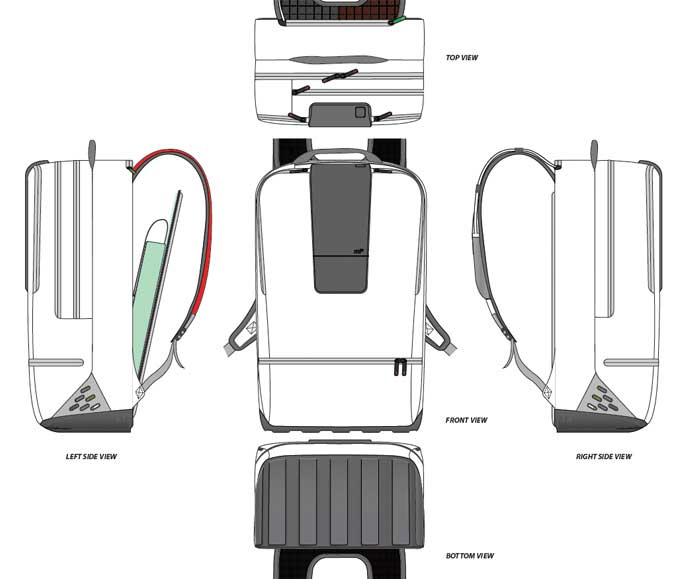
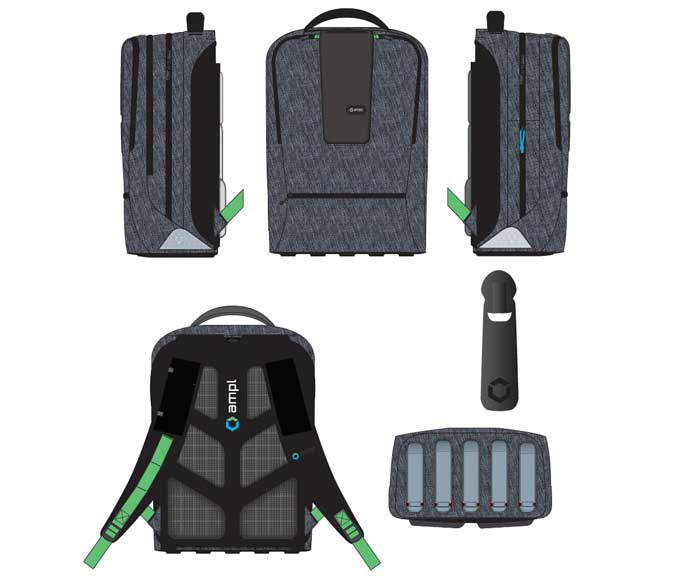
- Overall product architecture for electronics integration
- Internal routing systems for power and cabling
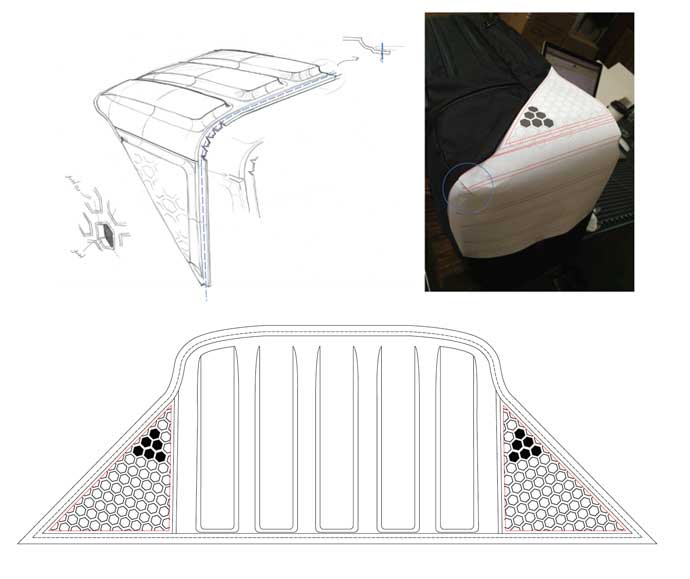
- Construction design and seam strategy
- Material selection for durability and safety
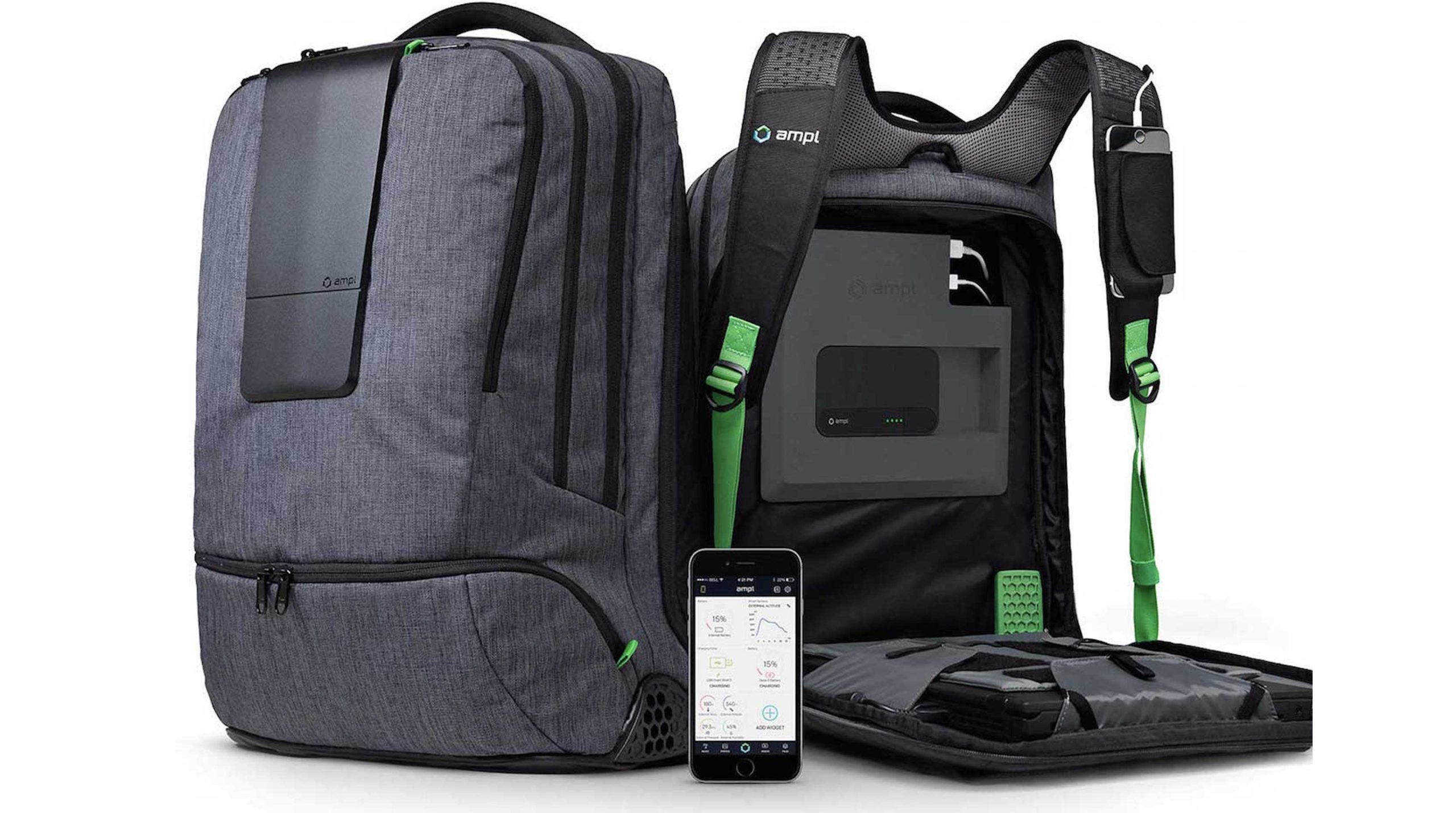
- Integration of rigid and electronic components into textile structure
- Design for manufacturing (DFM) and production readiness
The focus was on making the system reliable, manufacturable, and intuitive for everyday use.
Approach
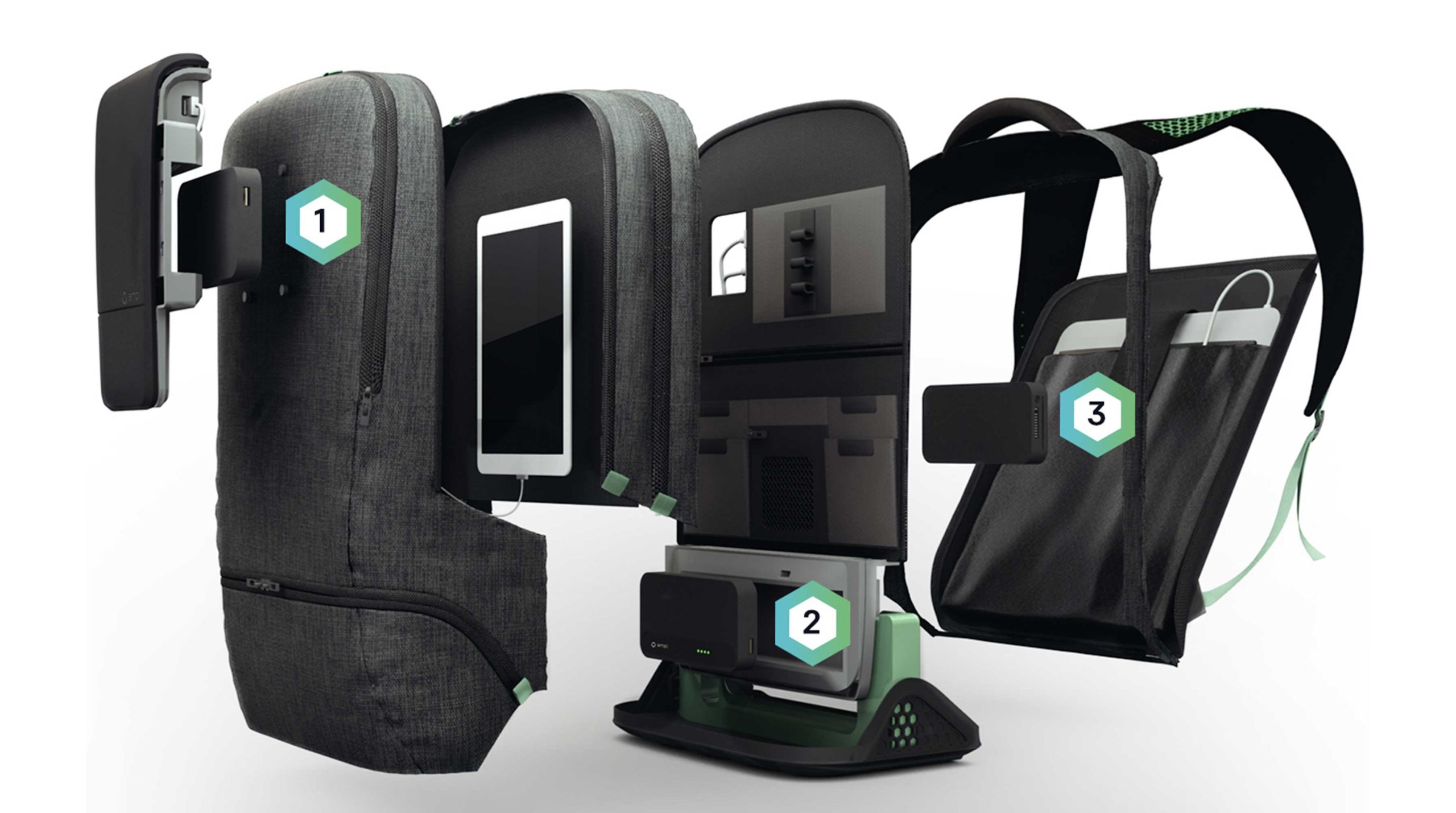
1. Electronics Integration Strategy
The core challenge was embedding power into a flexible product.
We developed:
- Internal routing pathways for cables
- Secure housing for battery components
- Separation between electronics and user storage areas
This ensured both functionality and safety.
2. Human-Centered System Design
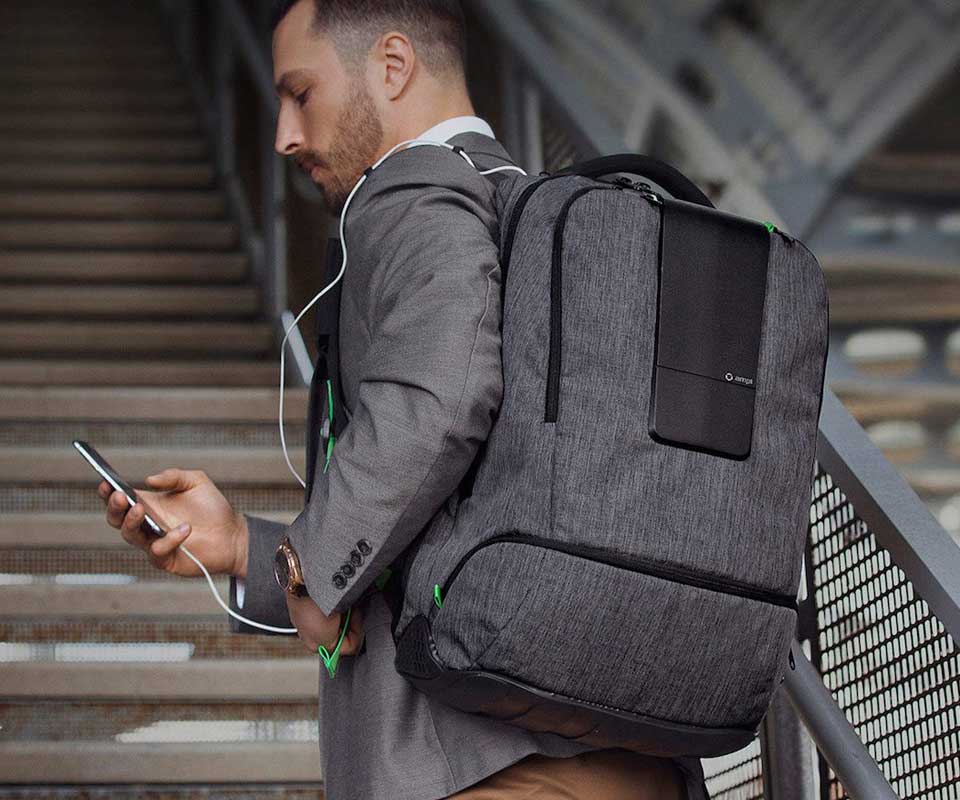
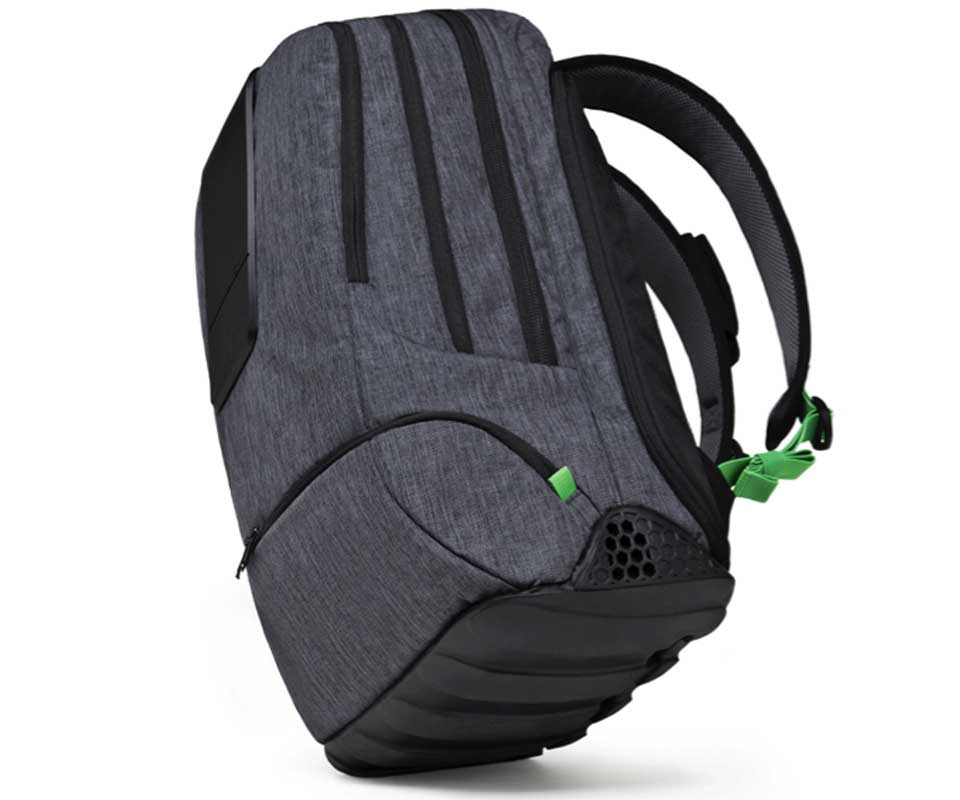
The product needed to feel like a normal backpack — not a piece of equipment.
We designed for:
- Ease of use
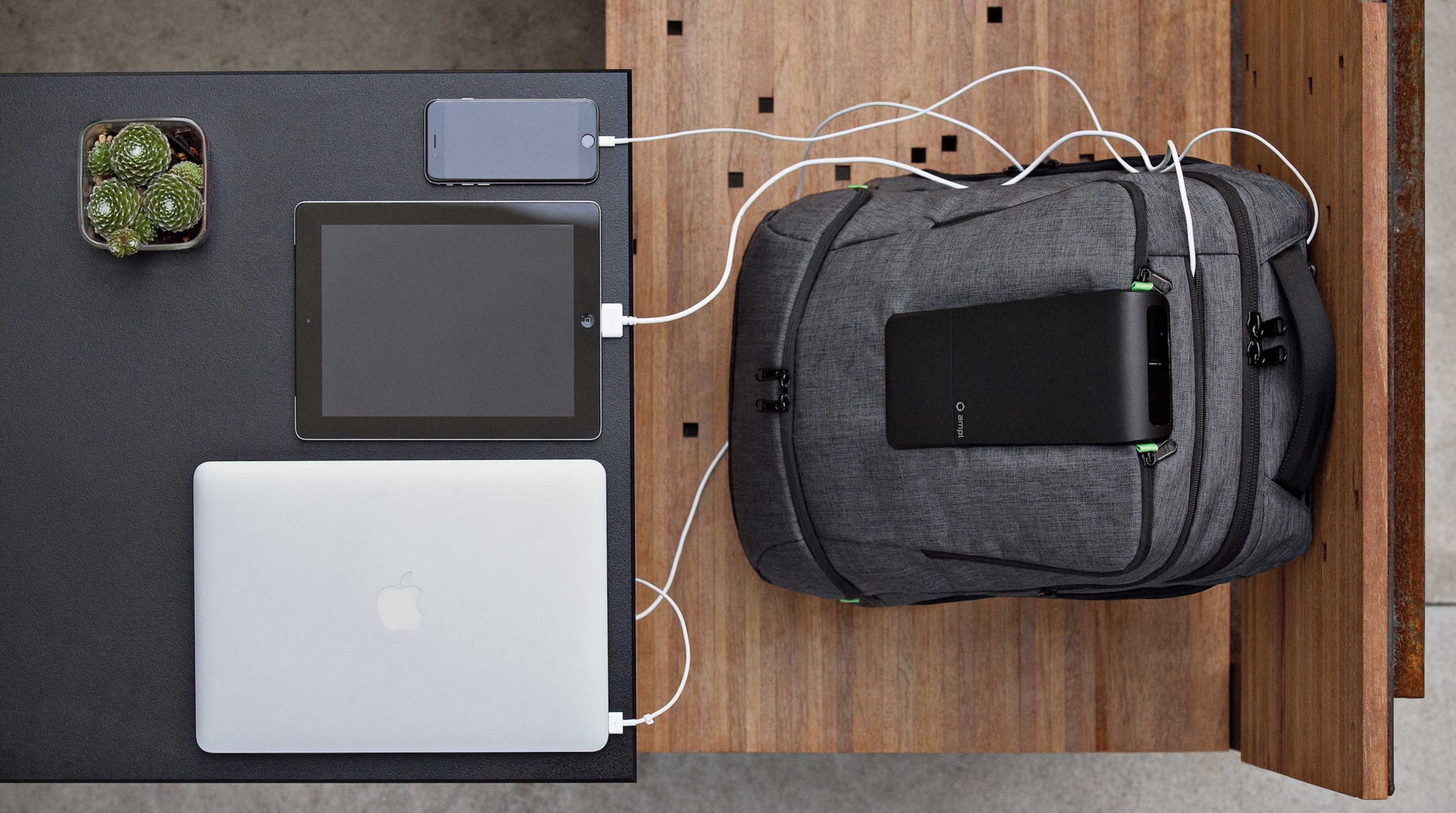
- Intuitive access to charging points
- Balanced weight distribution
- Comfort during extended wear
The technology had to disappear into the experience.

Approach
3. Material & Safety Considerations
Integrating electronics introduced new constraints.
Material selection accounted for:
- Heat considerations
- Durability around electronic components
- Structural integrity
- Compatibility with manufacturing processes
4. Construction & Assembly Logic
The product required a clear assembly strategy to integrate electronics efficiently.
We developed:
- Defined construction sequences
- Integration points for electronic components
- Repeatable assembly methods for production
5. Design for Manufacturing (DFM)
Early alignment with manufacturing constraints was critical.
This included:
- Designing around factory capabilities
- Reducing complexity where possible
- Ensuring consistency across units
The goal was to move from concept to scalable product without breakdown.
Where Most Teams Get This Wrong
Products that combine electronics and soft goods often fail due to:
- Treating electronics as an add-on instead of an integrated system
- Poor cable routing that breaks over time
- Lack of separation between components and user storage
- Designs that cannot be manufactured reliably
Without system-level thinking, these products fail in durability, usability, or production.
Outcome
The AMPL Charging Backpack delivered:
- One of the first fully integrated smart backpack systems
- Seamless user experience combining carry and power
- A manufacturable product platform
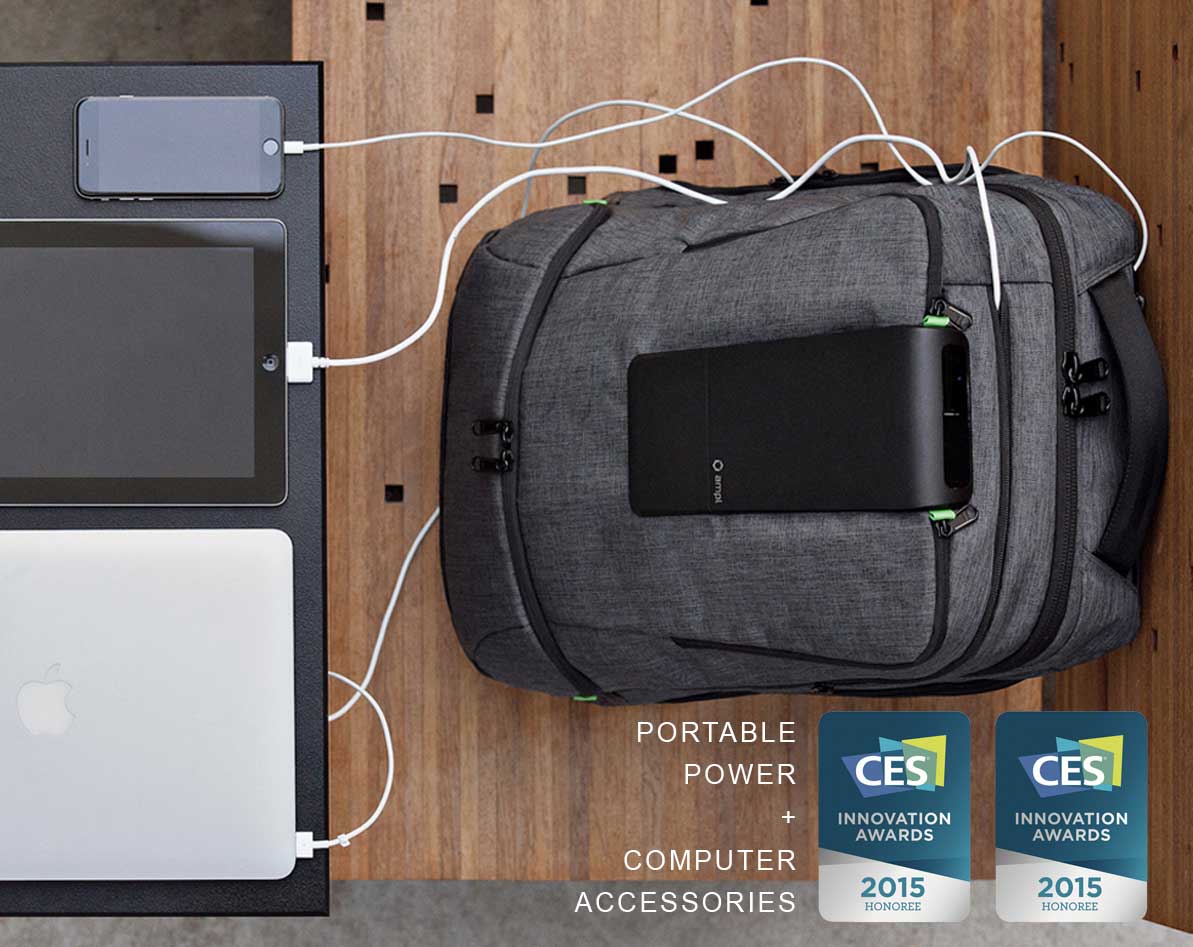
- Industry recognition with two CES Innovation Awards
See full case study here:
AMPL Smart Backpack Case Study: Soft Goods Design & Electronics Integration