The Problem
Designing for photographers introduces a different level of complexity than standard carry products. The product needed to:
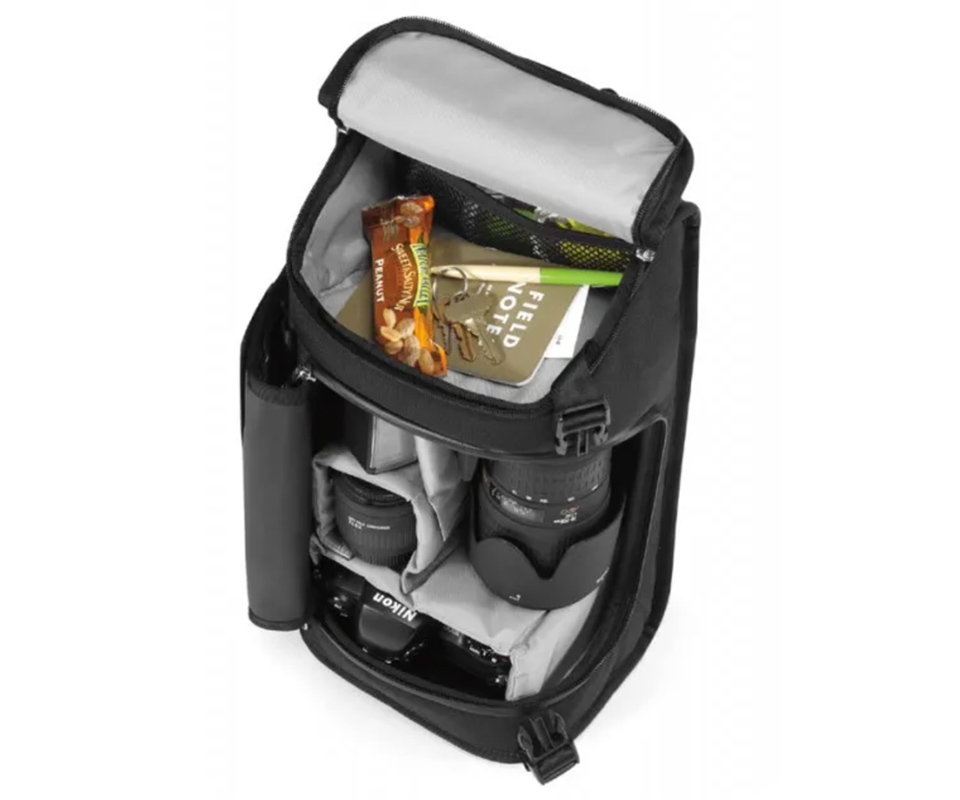
- Protect sensitive camera equipment from impact and environment
- Provide fast, intuitive access in active shooting scenarios
- Maintain structure while remaining comfortable for extended wear
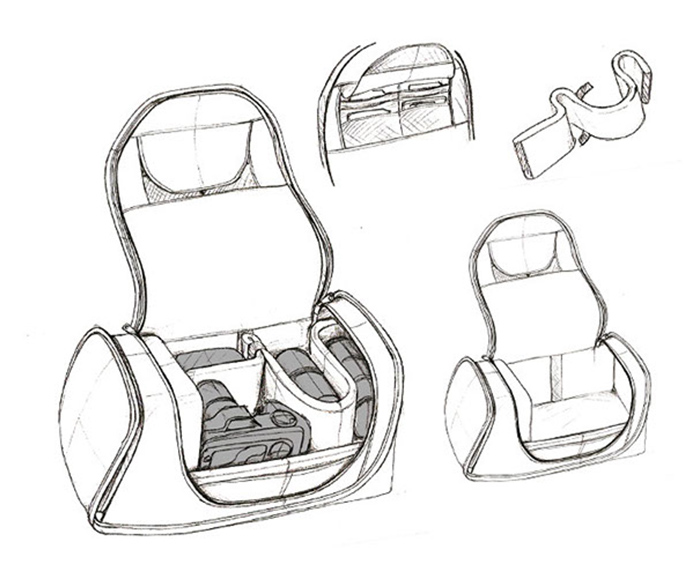
- Support modular internal organization
- Be durable enough for daily professional use
- Be manufacturable at scale
This required more than a typical backpack design.
It required a protective soft goods system built around real usage conditions.
Our Role
studioFAR led the soft goods design and product development, including:
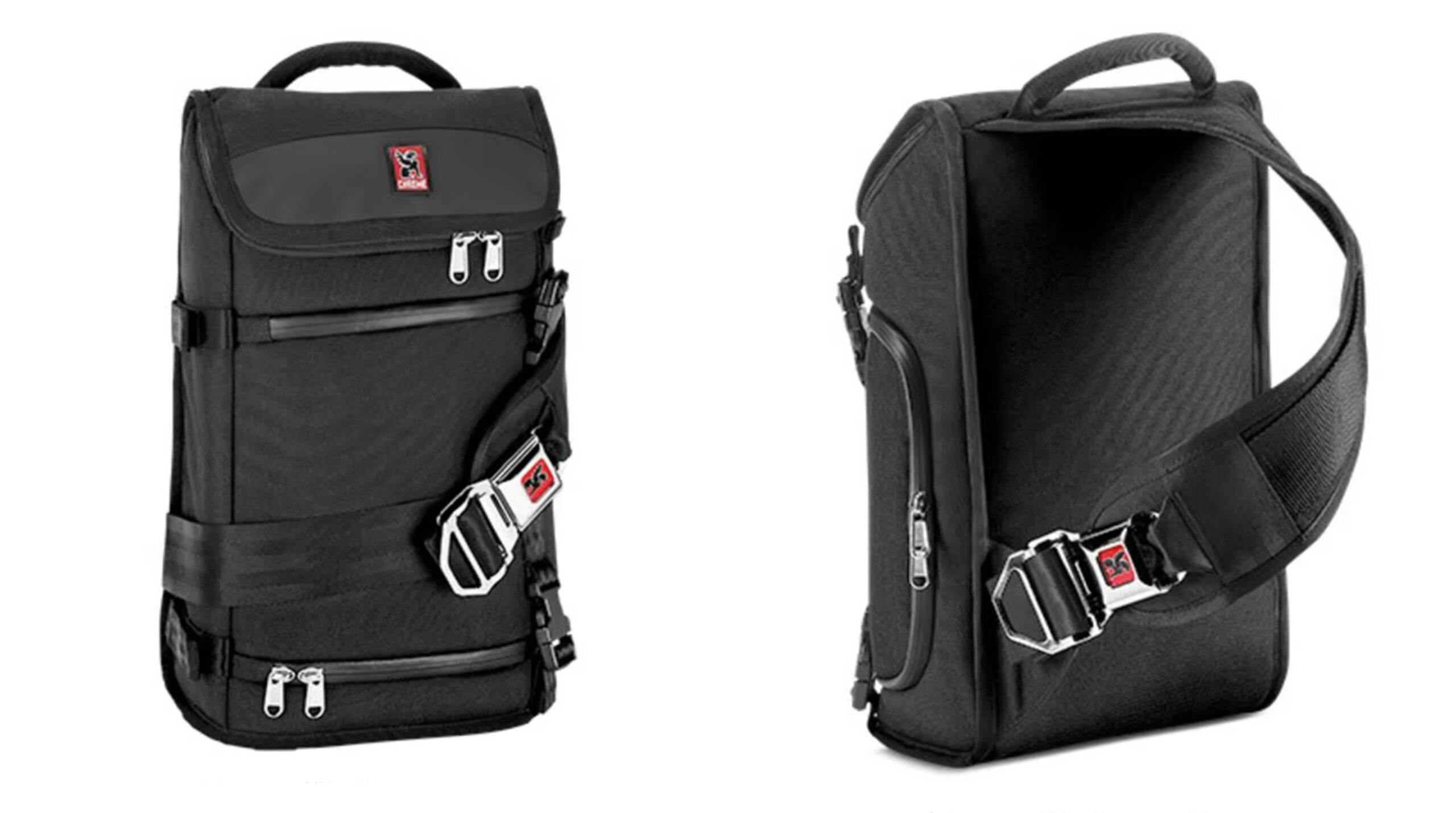
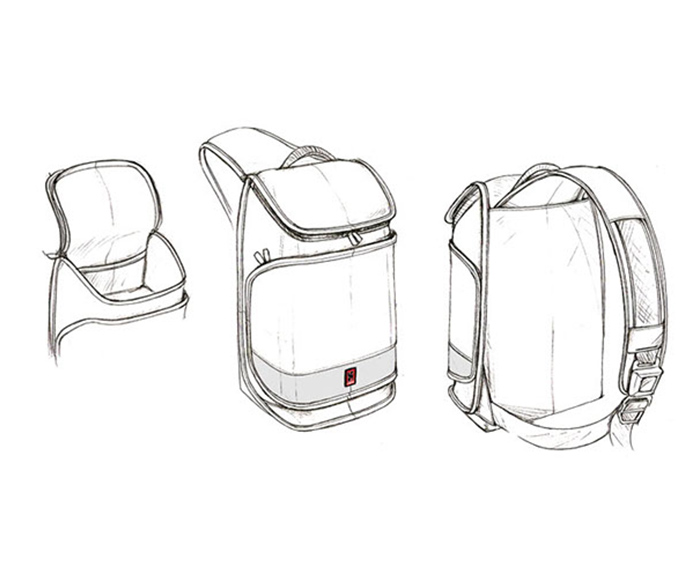
- Overall construction and system architecture
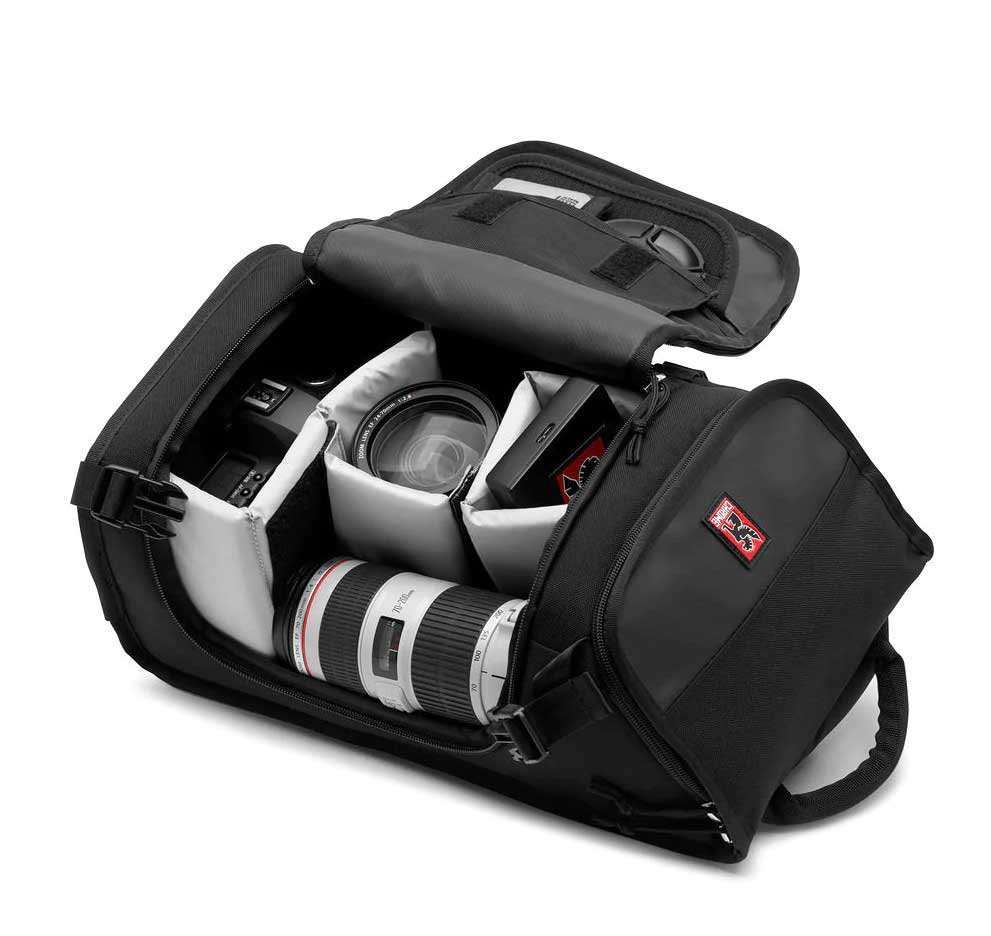
- Internal organization and modular camera storage
- Material selection for durability and protection
- Seam design and reinforcement strategy
- Design for manufacturing (DFM)
- Development of a production-ready backpack platform
The focus was on building a product that performs under real-world use — not just in controlled conditions.
Approach
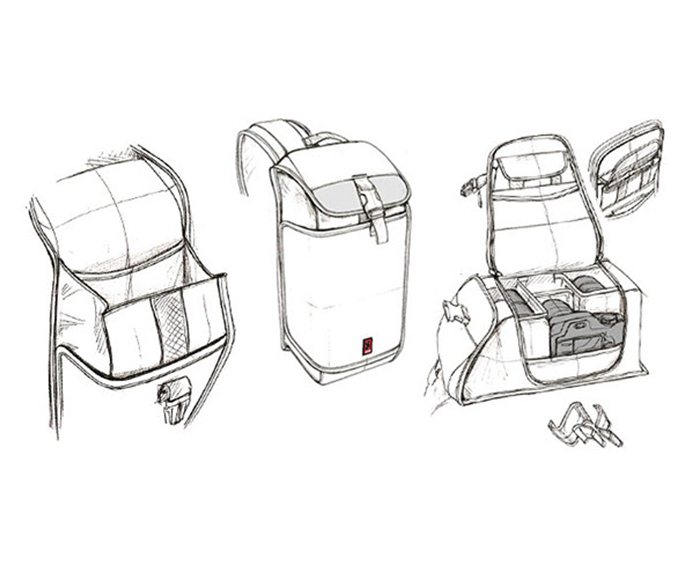
1. Protective System Design
Unlike standard backpacks, the Niko required built-in protection for fragile equipment.
We developed:
- Structured compartments to absorb impact
- Internal organization systems to secure gear
- Layered construction to balance protection and weight
2. Access & Usability Strategy
Photographers need speed.
The design focused on:
- Quick-access entry points
- Logical compartment layout
- Minimizing friction during use
Every design decision was tied to real-world workflow.
Approach
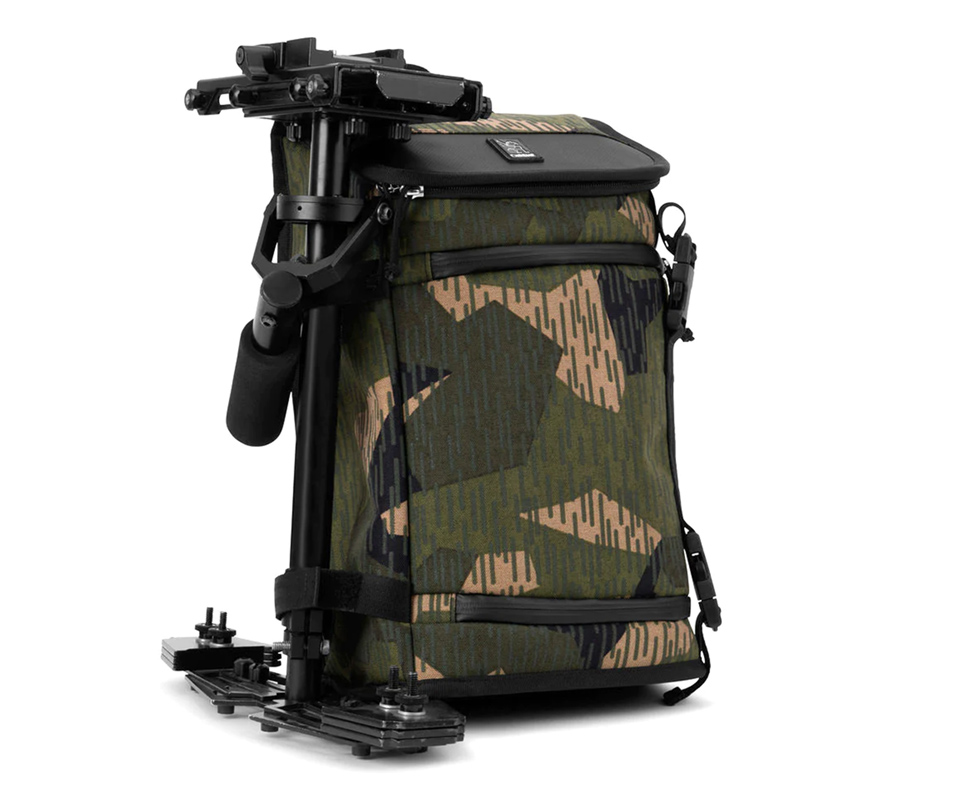
3. Material & Durability Strategy
Material selection prioritized performance:
- Abrasion-resistant outer materials
- Structured internal padding systems
- Long-term durability under daily load
Materials were selected not just for look — but for how they perform over time.
4. Construction & Manufacturing Logic
The product was engineered for repeatable manufacturing.
This included:
- Defined seam architecture for strength and consistency
- Efficient assembly sequences
- Alignment with factory capabilities
The goal was a product that maintains quality across production runs.
Where Most Teams Get This Wrong
Camera bags often fail in two ways:
- Over-engineered protection that adds weight and complexity
- Under-engineered construction that fails under real use
Additionally:
- Poor internal organization creates friction for users
- Designs don’t translate cleanly to manufacturing
Without a system-level approach, these issues appear late — during sampling or after launch.
Outcome
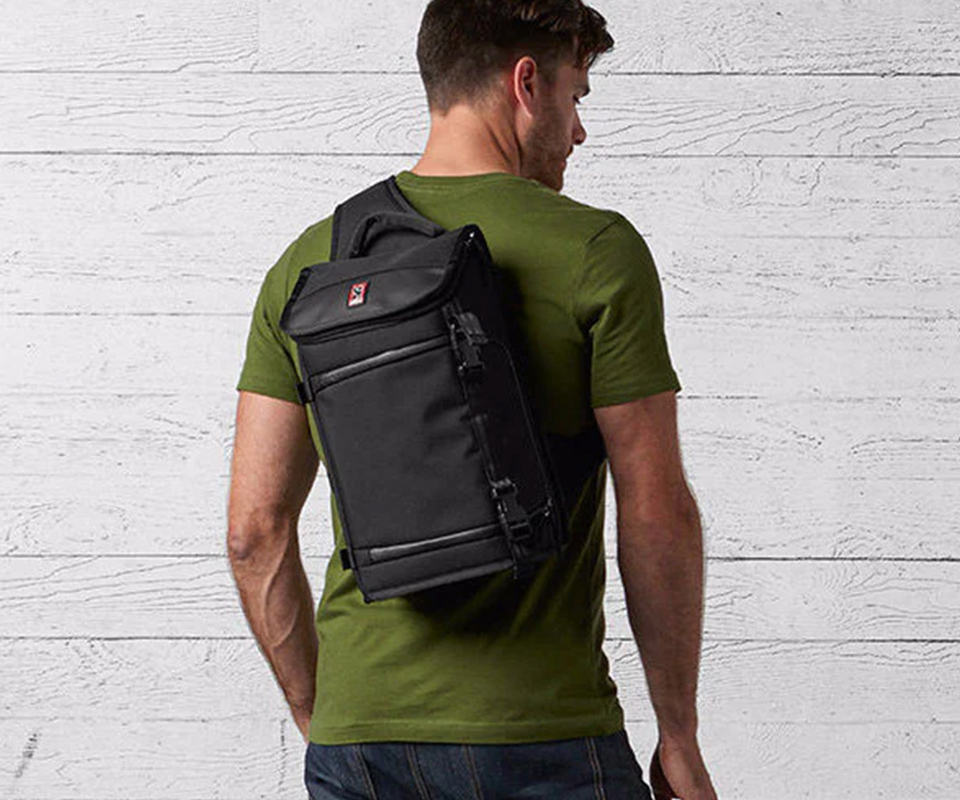
The Chrome Niko Camera Backpack delivers:
- Integrated protection for sensitive equipment
- Fast, intuitive access for active use
- Durable construction for daily professional wear
- A scalable product platform for production