If you’re developing a soft goods product, choosing the right development partner can significantly impact your timeline, budget, manufacturing success, and product quality.
Many companies assume they need a designer. In reality, they often need something more — a development partner who understands how to move a product from concept to manufacturable reality.
This becomes especially important when products involve wearables, technical bags, baby products, pet products, travel gear, electronics integration, performance products, or complex sewn assemblies.
Not all soft goods consultants approach development the same way. Here’s what to look for when evaluating potential partners.
Look Beyond Styling
One of the most common mistakes companies make is focusing heavily on visual design while underestimating manufacturing complexity. A product can look great in a rendering and still be extremely difficult to prototype, source, or manufacture.
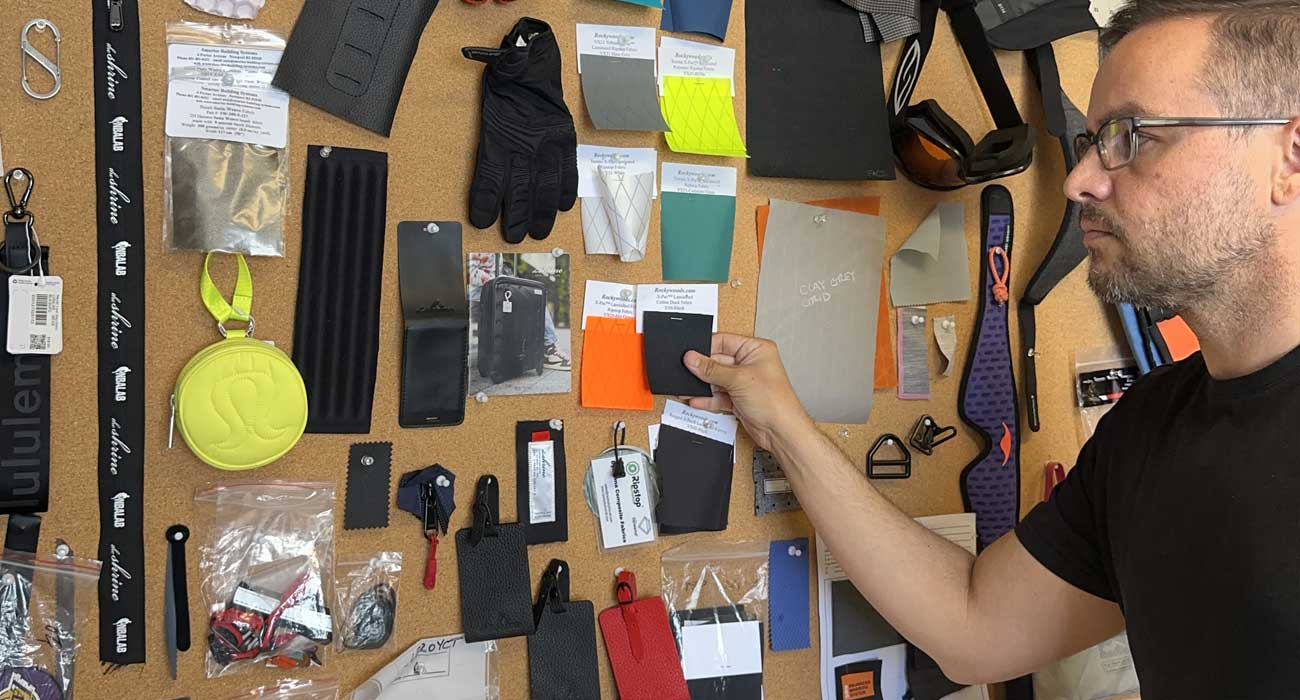
The strongest development partners understand materials, construction methods, factory capabilities, sourcing realities, sampling processes, and cost implications. Design is important — but manufacturability is what ultimately determines whether a product succeeds.
Experience With Physical Products Matters
Many consultants can create sketches, renderings, or CAD models. Far fewer have guided products through prototyping, sample revisions, factory communication, sourcing, and production preparation.
Those experiences matter because development challenges rarely appear in the first concept — they appear during execution. The ability to anticipate those challenges often saves significant time and cost later.
Look for Manufacturing Fluency
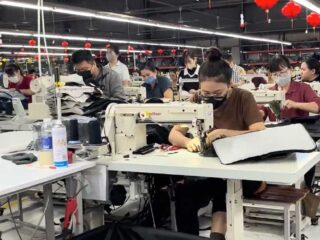
A development partner doesn’t need to own a factory. But they should understand how factories work, how soft goods are constructed, what drives cost, how materials behave, and how products move through sampling.
This becomes particularly important when developing products that combine foam, textiles, hardware, electronics, and molded components. Manufacturing knowledge helps bridge the gap between idea and reality.
Technical Soft Goods Require Specialized Experience
Some products are relatively straightforward. Others require much deeper development expertise — wearable systems, electronics-integrated products, technical backpacks, support harnesses, body-mounted equipment, baby gear, and premium outdoor products.
These products often involve ergonomics, load distribution, movement, durability, material systems, and user testing. The development process becomes much more complex. Choosing a partner who understands those challenges can dramatically improve outcomes.
Why Companies Work With studioFAR
studioFAR specializes in helping companies develop technically challenging soft goods products from concept through manufacturing-ready execution.
Projects have included technical backpacks, electronics-integrated products, wearable systems, travel products, outdoor equipment, baby products, and patented soft goods solutions.
The focus is not simply on creating attractive concepts. The goal is helping clients reduce development risk, improve manufacturability, accelerate prototyping, prepare for production, and make better development decisions.
Whether working with startups, innovation teams, or established brands, the objective remains the same: create products that can realistically be built, tested, and brought to market.
Who studioFAR Is Best For
studioFAR is often a strong fit for startups developing physical products, innovation teams exploring new concepts, companies without in-house soft goods expertise, brands needing manufacturing guidance, and founders preparing for sampling and production.
Particularly when products involve wearability, technical construction, complex materials, electronics integration, or manufacturing-sensitive designs.
Final Thoughts
The best soft goods consultant is rarely the person who creates the most beautiful rendering. It’s usually the person who can help navigate the entire journey from idea to production.
Because in the end, successful products aren’t judged by concepts. They’re judged by how well they perform in the real world.
If you’re developing a technically challenging soft goods product and need guidance through design, prototyping, sourcing, or manufacturing preparation, studioFAR may be able to help.