A lot of wearable products look great in renderings. Far fewer work well in real life.
That’s because wearables usually fail in movement, comfort, stability, durability, adjustability, and manufacturability — not concept.
This shows up often in wearable tech, medical-adjacent products, robotics systems, harnesses, baby carriers, technical bags, body-mounted electronics, and active and outdoor products.
The idea itself may be strong. The industrial design may even look polished. But once the product is actually worn, used, adjusted, transported, or moved through daily life, the problems start showing up quickly.
That’s because wearable products are fundamentally different from static consumer products. They have to interact with the human body in motion. And that changes everything.
The Human Body Is Not a Fixed Surface
One of the biggest mistakes teams make is designing wearable products as if the body were static. In reality, people twist, bend, sweat, walk, sit, reach, rotate, and carry weight differently.
Products shift constantly during movement. Pressure points emerge in unexpected places. Materials behave differently once body heat enters the equation. Straps migrate. Loads shift. Components rub against the body.
A wearable that feels acceptable standing still for five minutes may become uncomfortable after thirty minutes of real movement. That’s why wearables should never be evaluated only in CAD or tabletop prototypes — they need to be worn early and tested repeatedly.
Comfort Is Usually More Complex Than Teams Expect
Most people associate comfort with soft foam, padded straps, and lightweight materials. But comfort is usually more about pressure distribution, movement, stiffness, load paths, adjustability, and body geometry.
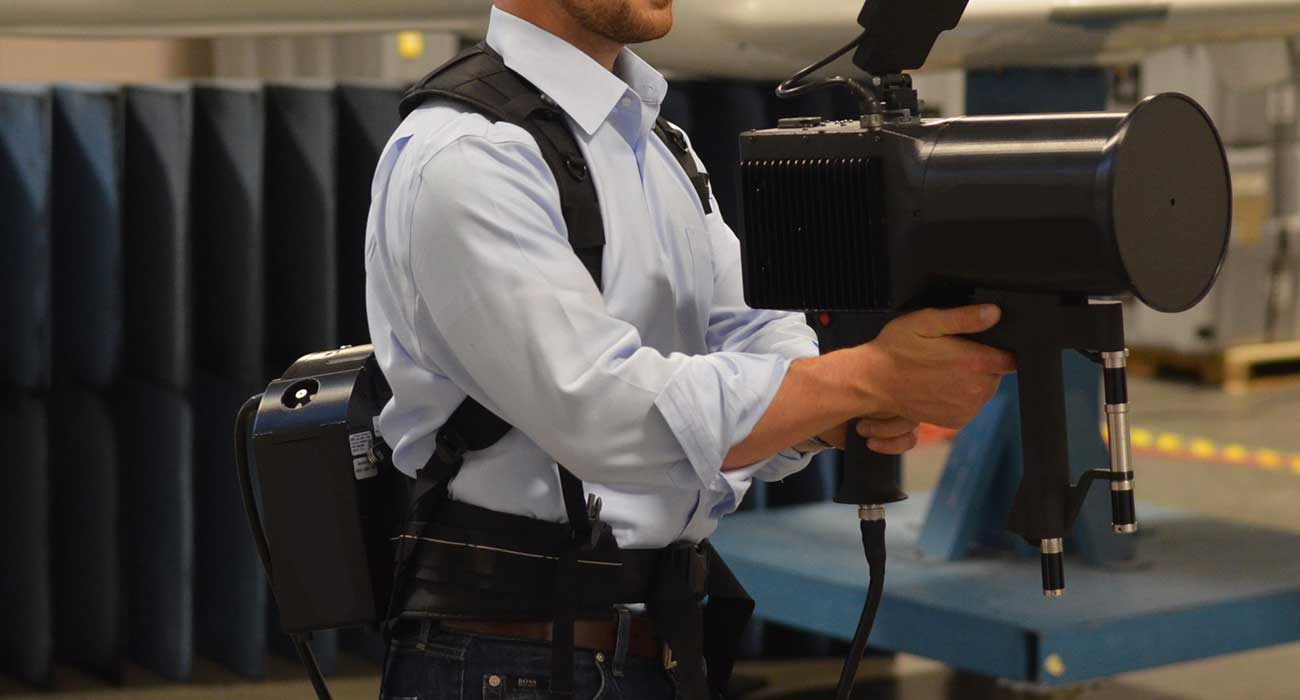
A heavily padded product can still feel terrible if the load concentrates incorrectly, movement becomes restricted, the product shifts constantly, or pressure builds in sensitive areas. This becomes especially important with chest-worn systems, shoulder-supported products, backpacks, harnesses, and electronics-integrated wearables.
The best wearable products usually feel stable and balanced before they feel “soft.”
Stability Matters More Than Most Teams Realize
One of the fastest ways a wearable product loses trust is instability. If a product bounces, rotates, drifts, slides, or shifts unpredictably, users immediately become aware of it. Even small movements become frustrating over time.
This is one reason why wearable development often requires iterative strap geometry, load balancing, body testing, and prototype refinement far beyond what teams initially expect — especially once electronics, batteries, or rigid components are introduced.
Durability Problems Usually Start at Stress Points
Wearables experience repeated motion cycles constantly. That means failure often happens at seams, around hardware, near attachment points, at cable exits, or in areas under repetitive tension.
A prototype may survive initial testing but still fail after repeated loading, sweat exposure, washing, environmental conditions, or long-term movement. This is where material selection and construction details become critical. The strongest wearable products are usually engineered around reinforcement strategy, stitch direction, material layering, and realistic wear conditions — not just appearance.
Manufacturing Constraints Change the Design
Another issue many teams underestimate is how much manufacturing impacts wearable performance. A concept may look clean in renderings, but once the product enters development, teams discover sewing limitations, tolerance issues, assembly complexity, reinforcement conflicts, inaccessible construction areas, and inconsistent fit between builds.
This becomes especially difficult in products combining soft goods, electronics, molded parts, foams, and rigid hardware. The best wearable products are developed with manufacturing thinking integrated early — not added later. Because once construction methods become unrealistic, product quality often suffers quickly.
Real-World Testing Is Everything
One of the most important parts of wearable development is testing products in actual use conditions — not controlled studio conditions, static fit checks, or visual evaluations.
Real use testing means movement, sweating, repeated adjustments, long-duration wear, transportation, environmental exposure, and imperfect user behavior. That’s usually where the real problems appear. And it’s also where the best product insights come from.
AI Renderings Are Hiding Wearable Complexity
AI-generated concepts are making wearable products look increasingly polished very early in development. But most renderings don’t reveal pressure points, movement issues, stiffness conflicts, sewing limitations, assembly challenges, or long-term durability problems.
A wearable can look futuristic and refined while still functioning poorly in the real world. That’s why physical prototyping still matters enormously in wearable product development — especially once products move toward commercialization.
Final Thoughts
Designing wearable products is less about creating a beautiful object and more about creating a system that performs reliably on the body over time.
The products that succeed usually balance ergonomics, movement, comfort, durability, manufacturability, and usability together — not sequentially.
Because in the end, wearable products don’t succeed based on concept renderings. They succeed based on how they actually perform in real use.