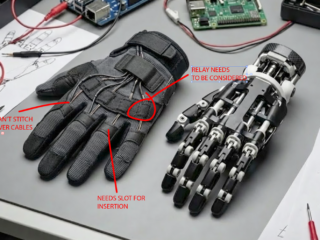
When people think about product development, they often imagine electronics, injection-molded parts, or precision-machined components. Those elements are certainly important, but for many products, they aren’t what the customer experiences first.
The first interaction often happens through soft goods. Whether it’s a wearable medical device, backpack, camera harness, protective equipment, or fitness accessory, the soft goods are the interface between the product and the person using it.
If that interface isn’t thoughtfully designed, even the most innovative technology can become uncomfortable, awkward, or frustrating to use.
The Interface That Defines the Experience
Think about products you wear or carry every day — a backpack, a camera harness, a tactical vest, a pregnancy support band, a wearable robotics system. The electronics, hardware, or internal mechanisms may perform exceptionally well, but if the product creates pressure points, shifts during movement, traps heat, or restricts mobility, users quickly notice.
The experience of using the product is shaped less by what’s inside and more by how the product interacts with the body. That’s why soft goods deserve the same level of engineering attention as the technology they’re supporting.
Comfort Isn’t a Luxury Feature
Many companies treat comfort as something to refine after the prototype is complete. In reality, comfort should be considered from the beginning.
Questions such as: Where does the product transfer load? How does it move with the body? Where are pressure points likely to occur? How is weight distributed? How will different body types experience the product? — these decisions influence not only user satisfaction but also product adoption and long-term success.
An uncomfortable product often becomes an unused product.
Product Architecture Comes First
One of the biggest mistakes in wearable product development is jumping directly into detailed design. Before selecting fabrics, hardware, or construction methods, it’s important to establish the product architecture.
Product architecture defines how the product fits the body, how loads are distributed, where adjustments occur, how components interact, and how the product will be manufactured. When these decisions are made early, the rest of the development process becomes significantly more efficient.
Manufacturing Should Influence Design Early
The best wearable products aren’t just comfortable — they’re manufacturable. Construction methods, seam placement, reinforcement strategies, material selection, and assembly techniques all affect production cost, consistency, and quality.
Considering manufacturing during the architecture phase reduces redesign later in the process and helps ensure the final product can be produced reliably at scale. This is where Design for Manufacturing (DFM) becomes especially valuable. Rather than treating manufacturing as a final checkpoint, successful product teams incorporate it into the earliest stages of development.
Great Products Feel Invisible
The best compliment a wearable product can receive is that the user forgets they’re wearing it. That doesn’t happen by accident. It comes from balancing ergonomics, materials, construction, adjustability, and human factors into a cohesive system.
When soft goods are designed well, they disappear into the experience. The user focuses on the activity — not the product.
Final Thoughts
Soft goods are often viewed as secondary components surrounding the “real” product. In reality, they are frequently the part users experience most. They’re where technology meets comfort, where engineering meets ergonomics, and ultimately where products either succeed or fail in the hands of real users.
For companies developing wearable products, bags, protective equipment, or other sewn products, investing in thoughtful soft goods development isn’t simply about aesthetics. It’s about creating products people genuinely enjoy using — and that keeps them coming back.