“Can we make this easier to manufacture?”
It’s a question that comes up on almost every product development project.
And unfortunately, it’s also one of the most misunderstood concepts in product development.
Many people hear the phrase Design for Manufacturing (DFM) and immediately assume it means:
- removing features
- reducing quality
- simplifying the product
- making everything cheaper
In reality, good DFM is none of those things.
Design for Manufacturing isn’t about making a product less ambitious.
It’s about making a product buildable.
And in soft goods development, that distinction matters enormously.
Why DFM Gets Misunderstood
The misconception often comes from the word “simplify.”
Factories frequently suggest:
- reducing parts
- eliminating operations
- changing materials
- combining components
At first glance, those suggestions can feel like compromises.
But the goal isn’t necessarily simplification.
The goal is repeatability.
Because manufacturing isn’t about making one product.
It’s about making:
- 500 products
- 5,000 products
- 50,000 products
with consistent quality.
A product that works beautifully as a one-off prototype may become extremely difficult to produce consistently at scale.
That’s where DFM enters the conversation.
Soft Goods Are More Complex Than They Look
Many people underestimate how much complexity exists inside a sewn product.
A backpack may appear straightforward on the outside.
But underneath are decisions involving:
- stitch sequencing
- seam construction
- reinforcement methods
- hardware installation
- foam integration
- binding operations
- material handling
- assembly order
Each decision affects:
- labor time
- quality consistency
- durability
- production yield
- and cost
This is why manufacturing considerations need to enter the conversation long before production begins.
The Prototype Trap
One of the most common issues I see is what I call the “prototype trap.”
A prototype is built.
It looks great.
Everyone is excited.
Then the factory reviews it and says:
“We can build this, but…”
And the “but” usually involves:
- assembly complexity
- excessive labor
- difficult sewing operations
- inaccessible construction steps
- unnecessary material waste
- inconsistent quality risk
The prototype may technically work.
But that doesn’t mean it is production-ready.
There’s a significant difference between:
Can it be built?
and
Can it be built efficiently and repeatedly?
DFM focuses on the second question.
DFM Starts Earlier Than Most Teams Think
Many teams assume DFM happens after design is complete.
In my experience, that’s often too late.
The strongest products are developed with manufacturing awareness from the beginning.
That doesn’t mean factories dictate every decision.
It means product teams understand:
- construction realities
- assembly methods
- sourcing limitations
- labor considerations
- quality control requirements
while the design is still flexible.
Early awareness prevents expensive redesigns later.
Examples of DFM in Soft Goods
Good DFM decisions often look surprisingly small.
For example:
Reducing unnecessary panel complexity
A product may use five panels where three would accomplish the same goal.
The customer never notices.
The factory absolutely does.
Simplifying stitch paths
Complex stitch paths increase labor and variability.
Cleaner construction often improves both durability and consistency.
Selecting available materials
A custom fabric may seem appealing.
But if sourcing becomes difficult, lead times and costs can increase dramatically.
Improving assembly sequence
Sometimes changing the order of construction can save significant labor without changing the product itself.
These are the types of decisions that rarely appear in marketing materials but have a huge impact on manufacturing success.
Good DFM Doesn’t Mean Generic
One of the biggest fears founders have is:
“Will DFM make my product look like everything else?”
Not necessarily.
The best DFM work preserves what makes a product unique while eliminating unnecessary manufacturing challenges.
The goal is not to remove differentiation.
The goal is to remove friction.
A product can still have:
- innovative features
- premium materials
- unique aesthetics
- strong brand identity
while being manufacturing-friendly.
In fact, the best products usually achieve both.
DFM Is Risk Reduction
At its core, DFM is really about risk management.
It reduces the likelihood of:
- production delays
- quality problems
- assembly issues
- sourcing challenges
- excessive costs
- factory frustration
And those risks become much more expensive once production begins.
Every hour spent addressing manufacturability during development can save weeks—or months—later.
Why It Matters More in Soft Goods
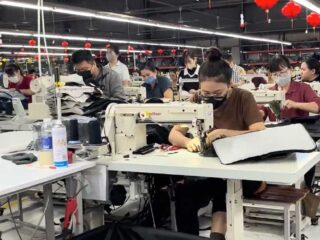
Unlike many rigid products, soft goods rely heavily on human labor.
People are:
- cutting materials
- sewing components
- installing hardware
- assembling products
That means variability matters.
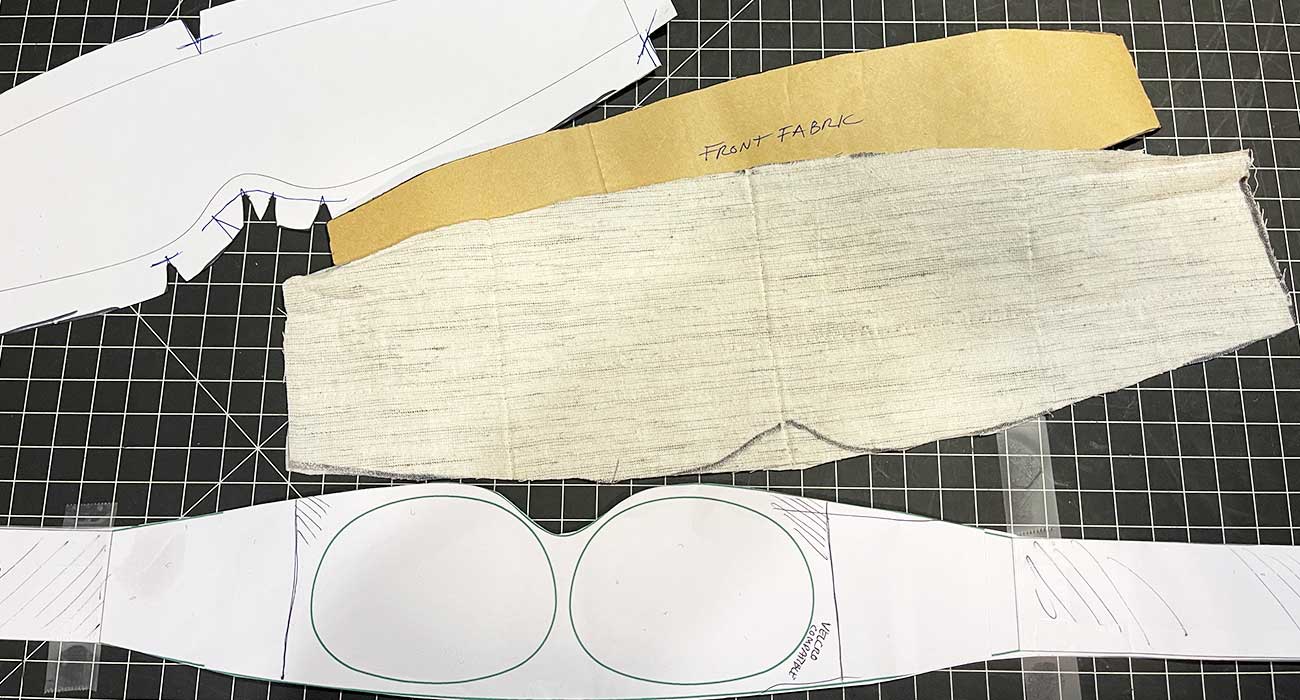
A construction detail that works perfectly in CAD may behave very differently on a sewing floor.
This is one reason why manufacturing experience is so valuable in soft goods development.
You learn where problems tend to emerge before they become expensive.
Final Thoughts
Design for Manufacturing isn’t about making products cheaper.
It’s about making products buildable.
The strongest products balance:
- user needs
- aesthetics
- performance
- manufacturability
from the beginning.
Because successful products aren’t judged by how well they prototype.
They’re judged by how well they survive the transition from prototype to production.
And that’s where DFM becomes one of the most important parts of the development process.
next soft goods product to life — production-ready, on time, and within budget.
Feel free to schedule a call here: