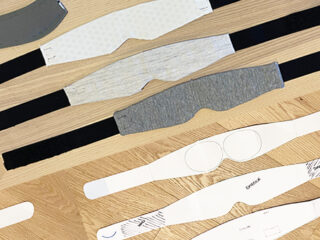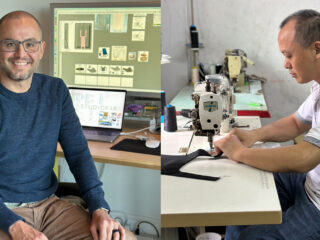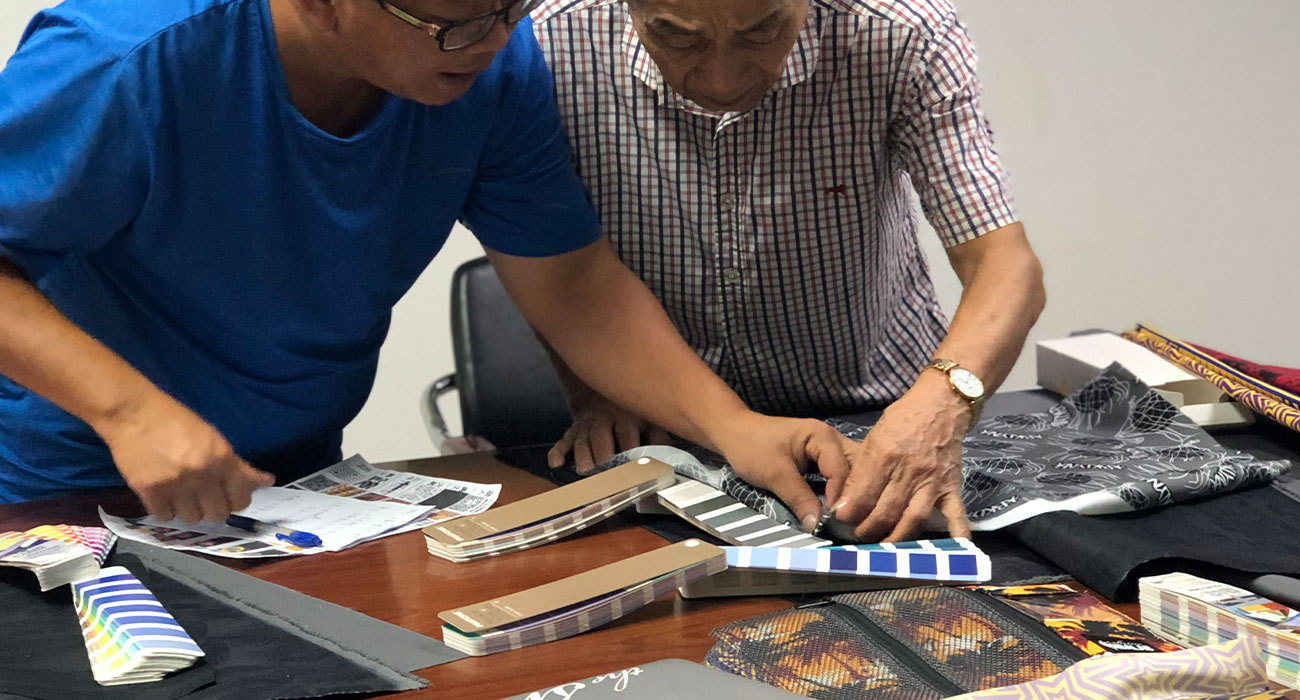
One of the most common misconceptions I hear from founders is: “We’ll send it to the factory and they’ll help us figure out the design.”
It’s an understandable assumption, especially for first-time product founders. After all, factories build products every day. Surely they know the best way to make yours.
The reality is very different. Factories are incredibly skilled at manufacturing products. They are not product development firms.
If your product still has unresolved questions around fit, construction, materials, comfort, adjustability, or hardware integration, asking a factory to “figure it out” often leads to expensive revisions, inconsistent samples, and weeks — or months — of unnecessary delays.
What Factories Actually Do Well
A good factory excels at executing a defined product. They source materials, manufacture components, build samples, optimize production efficiency, and control quality. What they generally do not do is make critical product decisions on your behalf.
For example: which foam density provides the right comfort? Where should reinforcement panels be located? How should webbing loads be distributed? Which zipper construction balances durability with cost? How should electronics be routed through a wearable? How should the product adjust to different body sizes?
Those decisions belong in product development — not manufacturing.
Every Assumption Becomes a Prototype
When a factory receives incomplete information, they still have to build something. That means someone is making decisions — usually the sample room, sometimes the factory engineer, sometimes the pattern maker.
Unfortunately, those decisions may not align with your goals. The result? You receive a prototype that technically matches the files you sent — but not the product you envisioned.
The Cost of Skipping Development
I’ve seen projects where founders believed they were saving money by going directly to a factory. Instead they spent months paying for sample after sample because the fundamental design questions had never been answered. Each prototype became another round of discovery. Instead of testing the product, they were still defining it.
That is one of the most expensive ways to develop a soft goods product.
Good Development Reduces Factory Iterations
Before involving a manufacturing partner, it’s important to answer as many critical questions as possible — including product architecture, material direction, construction strategy, hardware integration, user interaction, ergonomics, manufacturability, and cost targets.
The goal isn’t perfection. The goal is giving the factory enough information to build a prototype that’s actually worth evaluating.
Think of the Factory as an Expert Builder
Imagine hiring a contractor to build your house. You wouldn’t hand them a rough sketch on a napkin and ask them to “figure out the rest.” You would expect architectural drawings, material selections, structural decisions, and construction details.
Factories deserve the same level of preparation. When development is done properly, manufacturing becomes significantly smoother.
Where Development Adds the Most Value
The biggest value in soft goods development isn’t creating drawings — it’s making decisions. Every stitch line, every reinforcement, every material choice, every closure, every seam, every adjustment mechanism — those are product decisions that affect performance, manufacturing cost, durability, comfort, and user experience.
They’re much less expensive to solve before sampling begins.
Final Thoughts
Factories are some of the most valuable partners in product development. But they perform best when they’re asked to manufacture — not invent.
Investing in product architecture before sampling doesn’t slow development down. In most cases, it accelerates it by reducing revisions, improving communication, and increasing the likelihood that your first prototype answers the questions it was intended to answer.
That’s how products move efficiently from concept to production.
Frequently Asked Questions
Should I contact a factory before my design is finished?
Yes, but primarily to understand manufacturing capabilities, target costs, and feasibility — not to solve unresolved product design questions.
Can a factory help improve my product?
Experienced factories often make valuable manufacturing recommendations, but they should be refining an already-developed design rather than creating the product architecture from scratch.
How many prototype rounds should I expect?
Most soft goods products require two to four prototype rounds before reaching production readiness, depending on complexity.
When should I create a technical package?
After the product architecture, materials, construction methods, and primary design decisions have been defined.