One of the most common mistakes product teams make is assuming every prototype needs to look and feel like the final product.
In reality, the best product development programs use different prototype types at different stages of development. Sometimes a rough mockup made from inexpensive materials can answer critical questions. Other times, only a highly refined prototype can provide the information needed to move toward production.
Understanding the difference between low-fidelity and high-fidelity prototypes can save significant time, money, and frustration throughout the development process.
What Is a Low-Fidelity Prototype?
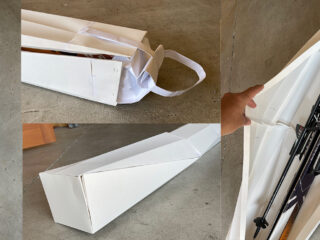
A low-fidelity prototype is a simple physical model used to quickly evaluate an idea, interaction, fit, or functionality. The goal is not realism — the goal is learning.
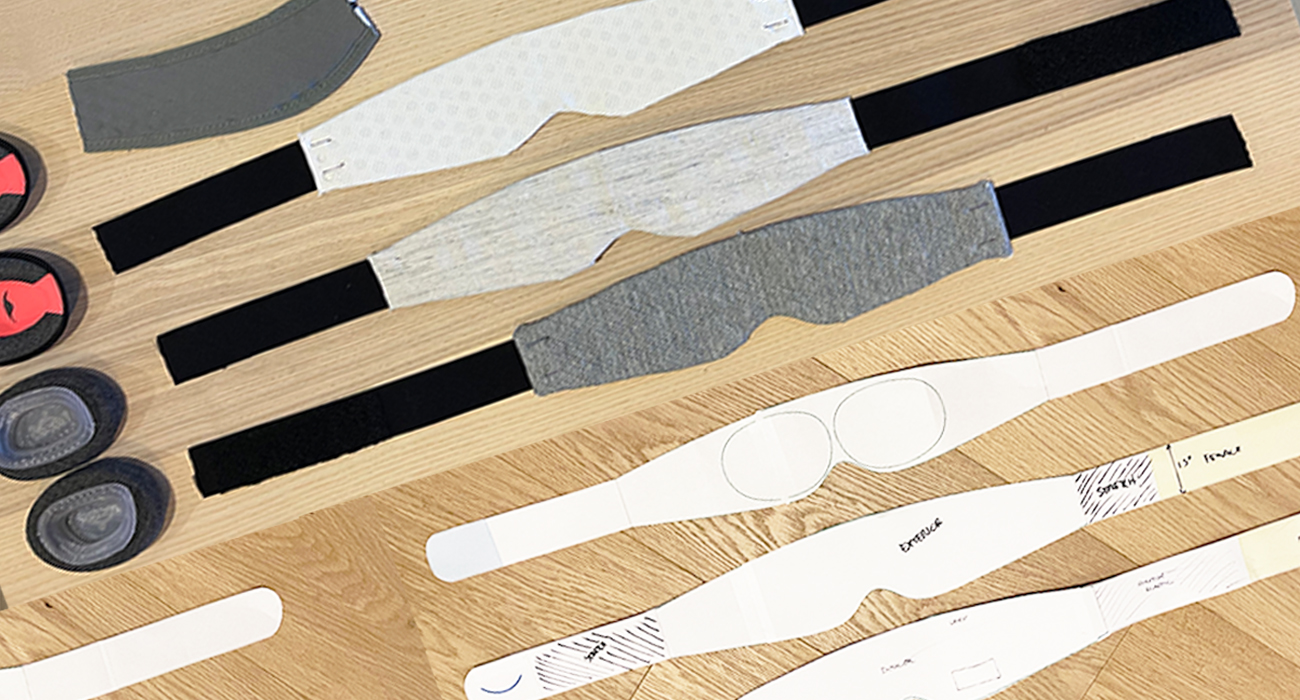
Low-fidelity prototypes are often built using basic fabrics, foam, velcro, webbing, off-the-shelf components, temporary fasteners, and 3D printed placeholders. These prototypes may not resemble the final product aesthetically, but they allow teams to evaluate key assumptions before investing in more expensive development.
What Questions Should Low-Fidelity Prototypes Answer?
Low-fidelity prototypes are excellent for answering questions such as: Does the concept work? Is the product size appropriate? Does the wearable fit the body correctly? Is the attachment method viable? Can users interact with the product as intended? Are critical dimensions correct?
At this stage, appearance is often secondary. The objective is reducing uncertainty.
Examples of Low-Fidelity Soft Goods Prototypes
Wearable electronics: Testing battery placement, cable routing, and body positioning before final materials are selected.
Medical devices: Evaluating attachment systems and comfort zones before investing in production-grade components.
Backpacks: Testing storage layouts, harness geometry, and load distribution.
Consumer products: Exploring product architecture and usability before finalizing aesthetics.
In many cases, these early prototypes reveal issues that would have been expensive to discover later.
What Is a High-Fidelity Prototype?
A high-fidelity prototype is a much closer representation of the final product. The goal shifts from “Does this work?” to “Is this ready for production?”
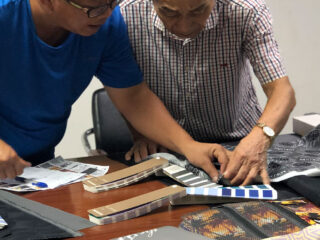
High-fidelity prototypes often include production-intent materials, refined construction methods, brand graphics, production hardware, representative trims, and factory-level workmanship. These prototypes are frequently used for stakeholder review, user testing, photography, investor presentations, and production validation.
What Questions Should High-Fidelity Prototypes Answer?
High-fidelity prototypes help teams evaluate user comfort, product quality, material performance, manufacturing feasibility, durability, and production readiness. This is where many of the final refinements occur before manufacturing begins.
Why Soft Goods Products Require Both
Unlike rigid products, soft goods behave differently once materials are introduced. A digital rendering cannot fully predict fabric stretch, foam compression, strap behavior, body interaction, or weight distribution.
This is why successful soft goods products often move through multiple prototype stages. Low-fidelity prototypes reduce risk early. High-fidelity prototypes reduce risk before production. Both serve different purposes.
The Costly Mistake: Skipping Low-Fidelity Prototypes
Many founders want to jump directly into production-quality samples. While understandable, this often creates unnecessary expense. High-fidelity prototypes cost more because they involve better materials, more labor, factory resources, and longer lead times.
If major usability issues are discovered during this stage, changes become much more expensive. Low-fidelity prototypes help uncover those issues earlier.
The Opposite Mistake: Staying in Low Fidelity Too Long
Some teams become trapped in endless experimentation. At some point, a product must transition from concept exploration to production development. Once the core architecture is validated, moving into higher-fidelity samples becomes necessary to evaluate manufacturing methods, material performance, user perception, and product quality.
A product cannot be commercialized from foam mockups alone.
Typical Soft Goods Development Workflow
Most successful projects follow a similar progression:
Stage 1 — Low-Fidelity Prototype. Goal: validate the concept.
Stage 2 — Refined Functional Prototype. Goal: improve performance and usability.
Stage 3 — High-Fidelity Prototype. Goal: validate production readiness.
Stage 4 — Production Sample. Goal: confirm final manufacturing execution.
This staged approach reduces risk while maintaining development momentum.
Which Prototype Should You Build First?
The answer depends on the questions you’re trying to answer.
If you’re still evaluating product architecture, sizing, wearability, or interaction — start with low-fidelity prototypes.
If you’re validating materials, construction, manufacturing, or final user experience — move toward high-fidelity prototypes.
The best development programs intentionally use both.
Final Thoughts
Prototypes are not simply versions of the same product. Each prototype should have a specific purpose.
Low-fidelity prototypes help teams learn quickly and inexpensively. High-fidelity prototypes help teams validate production readiness and reduce manufacturing risk.
Understanding when to use each can dramatically improve product development outcomes while avoiding unnecessary cost and delay.
The goal is not to build the perfect prototype. The goal is to answer the right questions at the right time.