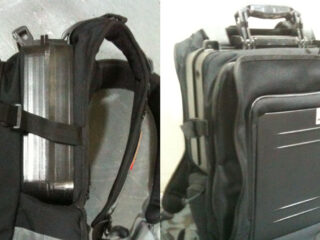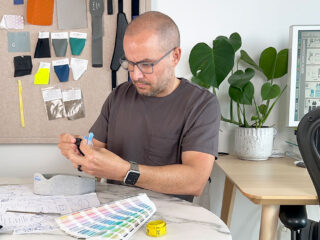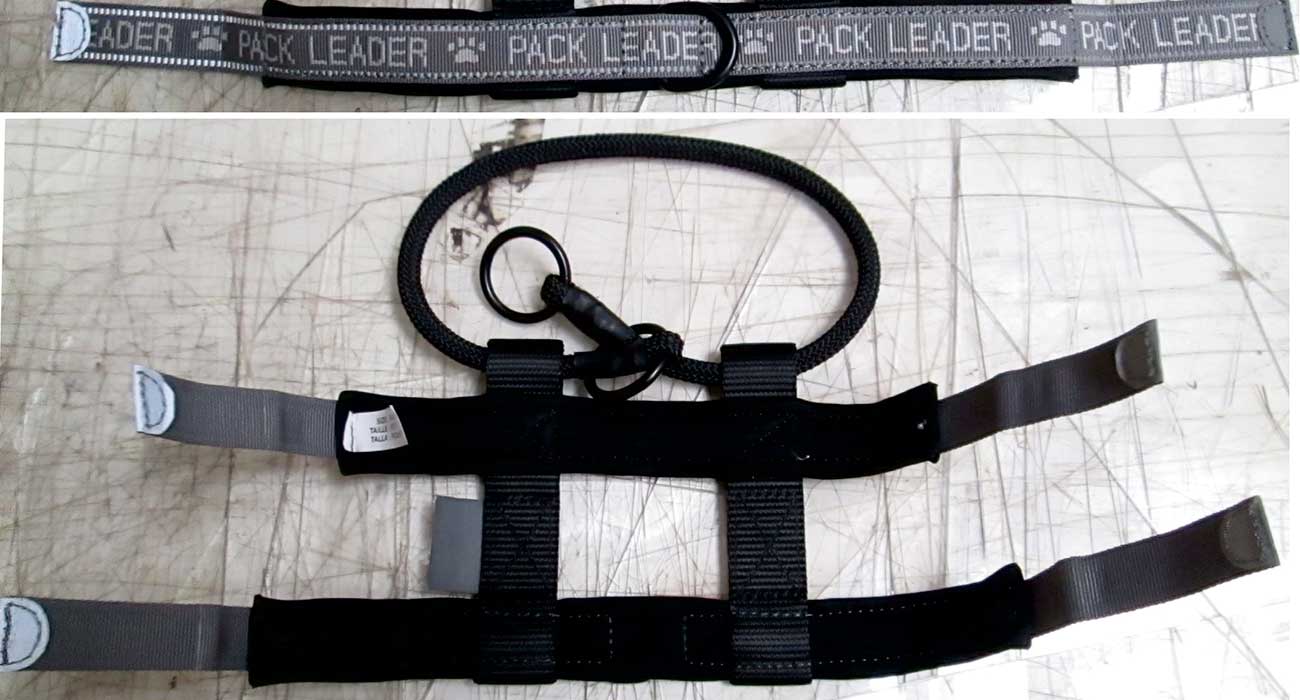
Most prototypes look finished — but aren’t ready for manufacturing.
This is one of the most common (and costly) misconceptions in soft goods product development. A sample comes back looking close to the intended design, and the assumption is: “We’re almost ready for production.”
In reality, there’s a significant gap between a good-looking prototype and a production-ready product.
The Illusion of a “Finished” Prototype
A prototype can appear complete because the form looks right, materials feel close, and functionality seems to work. But what’s often missing is how the product will be consistently built at scale.
Production readiness isn’t about how the product looks. It’s about whether it can be manufactured reliably, repeatedly, and at the right cost.
What “Production-Ready” Actually Means
A production-ready soft goods product has clearly defined materials, resolved construction methods, repeatable assembly processes, and alignment with factory capabilities. In other words: it’s not just designed — it’s fully specified and buildable.
Where Prototypes Fall Short
1. Materials Are Not Fully Locked
Early prototypes often use substitute fabrics, available trims, and approximate components. Even if they feel right, they may not be scalable, cost-aligned, or available at required volumes.
2. Construction Is Not Fully Defined
A prototype might be assembled in a way that works for one sample but isn’t efficient for production. Missing details include exact seam types, stitch specifications, reinforcement methods, and order of operations.
3. Tolerances Are Not Considered
In production, small variations matter. Without defined tolerances, fit can vary, alignment can shift, and quality becomes inconsistent across units.
4. Assembly Process Is Unclear
Factories need to know how the product is built step-by-step, what sequence to follow, and where challenges exist. If this isn’t defined, results will vary between samples and production runs.
5. Durability Hasn’t Been Validated
A prototype may look correct but hasn’t been tested for repeated use, stress points, or material wear. Production-ready products account for real-world conditions.
6. Cost Alignment Is Missing
A prototype can be overbuilt, inefficient, or too complex. Without aligning design to cost targets, production becomes difficult or unprofitable.
The Shift from Prototype to Production
Moving to production requires a shift in mindset — from “Does it look and work?” to “Can this be built consistently, at scale, within constraints?”
What Needs to Be Resolved
Materials: Exact fabric specifications, trim selection, and supplier alignment all need to be locked before production begins.
Construction: Seam types, stitch details, and reinforcement zones must be clearly defined so factories can execute consistently.
Structure: Internal architecture, load-bearing areas, and shape retention need to be resolved — not assumed.
Manufacturing Alignment: Factory capabilities, equipment limitations, and assembly efficiency all need to be considered as part of the design.
The Role of Documentation
This is where tech packs and specifications come in. A production-ready product should have clear drawings, material callouts, construction details, and assembly guidance. Without this, the factory is left to interpret — which leads to inconsistency.
Why This Stage Matters
Skipping or rushing this step leads to inconsistent quality, higher defect rates, increased costs, and multiple production issues. Fixing problems in production is always more expensive than resolving them beforehand.
Where Experience Makes the Difference
Understanding what makes a product production-ready comes from working through sampling cycles, seeing how factories interpret designs, and knowing where issues typically arise. This is not always obvious from the prototype alone.
Final Thought
A prototype is a milestone — not the finish line.
What matters is not whether it looks complete, but whether it’s ready to be built repeatedly, consistently, and at scale. That’s what defines a production-ready product.