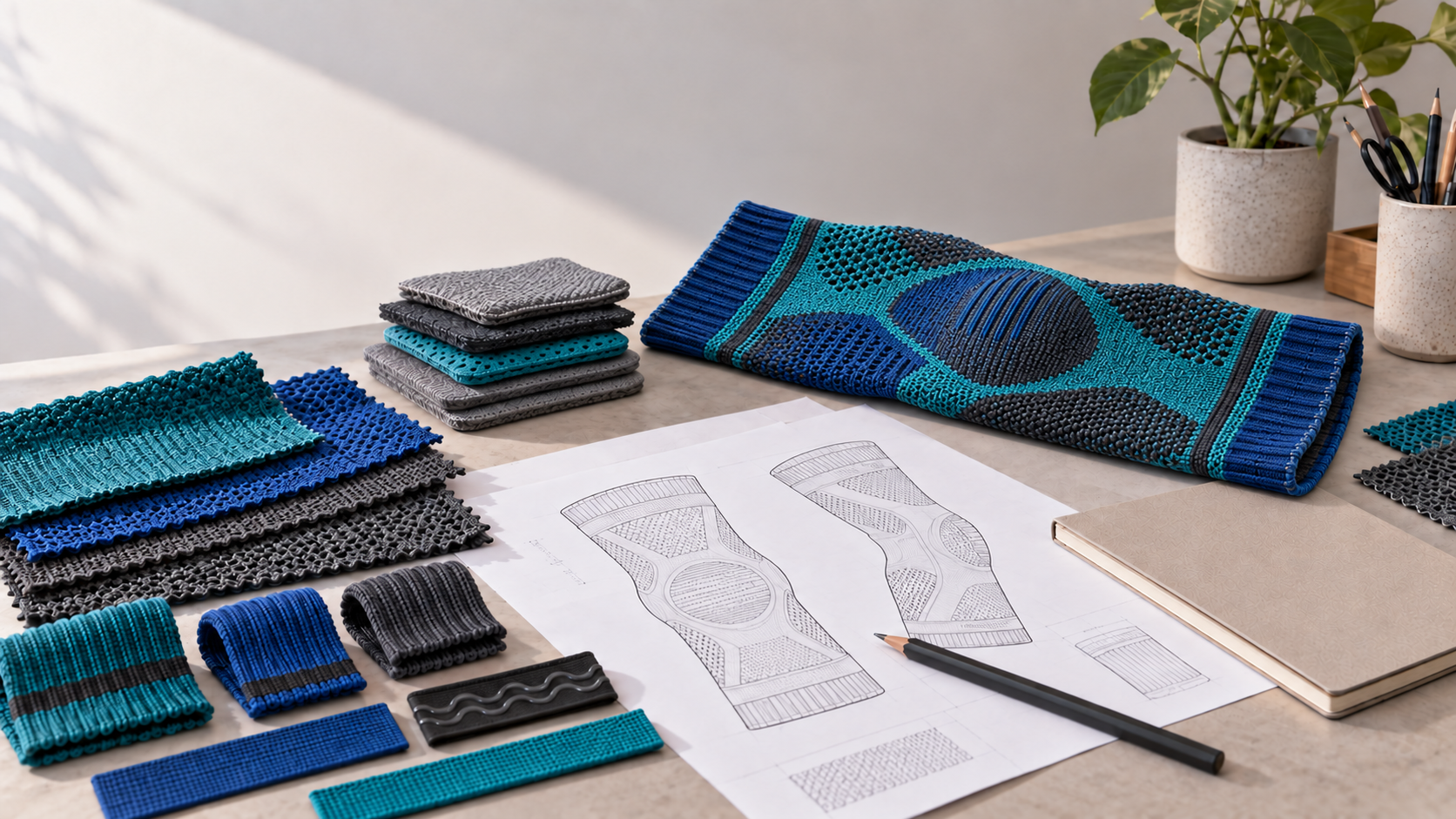
For a new soft goods product that needs substantial design, technical documentation, and support through prototype iterations, a useful early planning allowance is $10,000–$100,000 or more in professional development fees. A narrowly defined first phase may require less. Complex wearables, custom mechanisms, or products requiring extensive research can require substantially more.
This is a planning range, not an industry average or a fixed studioFAR package. Physical samples, tooling, specialist engineering, testing, shipping, and production inventory need separate allowances unless expressly included in a proposal.
The right budget starts with a clear question: what must this investment help you achieve?
Start With the Milestone You Need to Reach
A founder exploring whether an idea is feasible needs a different scope from a company preparing an established design for manufacturing.
“I need a prototype” can mean a rough model to explore fit, a functional assembly to test a mechanism, or a refined sample made with intended production materials. Those outcomes require different work.
Before comparing fees, define the next decision you need to make. Are you choosing a product direction, evaluating usability, preparing for factory sampling, or resolving problems in an existing prototype?
Your budget should fund the work required to reach that milestone, with a clear understanding of what remains afterward.
Separate Development From Manufacturing
A useful budget distinguishes four stages:
| Stage | What you are paying to resolve |
|---|---|
| Design | Product architecture, user interaction, materials, construction concepts, and overall direction. |
| Technical development | Dimensions, construction details, component specifications, bills of materials, and manufacturing documentation. |
| Prototype development | Physical samples, evaluation, design corrections, and coordination through agreed iterations. |
| Manufacturing | Production setup, materials, assembly, quality control, packaging, and the ordered inventory. |
Within prototype development, distinguish the consultant’s review and correction work from the vendor’s sample-making charges. They are separate activities, even when they contribute to the same milestone.
A development fee does not automatically include your first production order. Likewise, an inexpensive sample quote does not establish what it will cost to resolve the design behind that sample.
What Actually Drives the Development Fee?
The number of unresolved questions matters more than how simple the product looks.
Consider a foam pillow with a removable cover. Development may involve exploring support geometry, comparing foam behavior, resolving cover tension, positioning seams, and making removal practical. A visually simple product can still require meaningful experimentation.
A wearable with electronics adds other questions: how the module stays in position, where cables travel, how the product adjusts, and whether components can be removed for cleaning.
The main scope drivers include:
- Starting point: What has already been demonstrated through physical testing?
- Construction: How many materials, layers, attachment points, and manufacturing processes interact?
- Fit and variation: How many body sizes, configurations, or product versions need development?
- Integration: Are existing components usable, or must new hardware be engineered?
- Review requirements: How much coordination, documentation, and stakeholder review does the project require?
Existing drawings can help, but their value depends on how much of the underlying design they actually resolve.
Allow for Costs Outside the Design Proposal
Ask for a written explanation of what is included and what will be quoted separately. Depending on the product, additional costs may include:
- Factory samples, material trials, and sample shipping.
- Custom molds, dies, fixtures, or other tooling.
- Mechanical or electrical engineering and component development.
- Independent performance testing and applicable compliance work.
- Production deposits, packaging, freight, and import costs.
For example, developing the leather construction of a charging wallet does not automatically include engineering its battery system. Those responsibilities need their own scope and qualified specialists.
Keep launch expenses visible too. Photography, your website, marketing, and fulfillment may sit outside product development, but they still draw from the same available capital.
Budget for Learning Between Samples
Each sample should answer specific questions. Can the user operate the closure? Does the foam recover as intended? Does the loaded bag keep its shape? Can the assembly be sewn consistently?
Plan for evaluation and corrections between rounds, including the time needed to update documentation. A sample budget that only covers fabrication leaves out the work of interpreting results and deciding what changes.
Our guide to prototype rounds explains why iteration deserves an explicit place in the development plan.
Maintain a reserve for unresolved risks. Its size should reflect the project: an unfamiliar material or custom mechanism needs a different allowance from a familiar construction. Agree on how additional work will be approved before it begins.
Reduce Scope Before Cutting Essential Development
If the full program exceeds your available investment, identify a smaller, useful first step.
That could mean developing one size, comparing two construction approaches, using existing hardware, or proving the most uncertain feature before completing the entire product.
Keep your target retail price and intended first-order quantity in the conversation. They influence which materials, components, and construction approaches make commercial sense. Treat early unit-cost estimates as provisional; a first factory quote may still rely on incomplete specifications.
A phased engagement gives you a decision point. It does not guarantee that the remaining development will fit whatever money is left.
Get a Budget That Matches Your Product
For an initial discussion, bring your product description, existing drawings or samples, intended users, target retail price, anticipated first-run quantity, timing, and available investment.
At studioFAR, I help founders and product teams define the work needed to move technically challenging soft goods toward manufacturing. That includes identifying what needs further design, what can be retained, and where outside expertise is required.
Developing a bag, wearable, pillow, or other technical soft goods product? Discuss your project with studioFAR. We can review your starting point and identify a practical scope for the next phase.
Frequently Asked Questions
How much does soft goods product development cost?
For substantial new-product design, technical documentation, and prototype-development support, use $20,000–$50,000+ as an initial planning allowance for professional fees. This is not a fixed quote or market average. Focused phases may cost less, while complex programs can cost more. Samples, tooling, engineering, testing, and manufacturing may be additional.
Can I develop a soft goods product with a $5,000 budget?
A $5,000 budget should not be assumed to cover complete new-product development through manufacturing preparation. Its usefulness depends on what is already resolved and the specific task being commissioned. If that is your total available capital, define the next milestone carefully and account for costs beyond design before committing.
Are prototype samples included in a product development fee?
Only if the proposal explicitly includes them. Design revisions and sample reviews are professional services; physical sample fabrication, materials, and shipping may be charged separately by the development or manufacturing partner. Confirm both the included support and the allowance for sample rounds.
Will an existing tech pack reduce my development costs?
It can, if its dimensions, materials, construction, and component choices are usable and sufficiently resolved. A review may also reveal missing decisions or conflicts that need design work. The relevant question is how much work the documentation saves, rather than how many pages it contains.
Can I start with one phase instead of committing to the entire project?
Yes, a project can be scoped around an initial milestone, such as evaluating feasibility or establishing the design direction. The proposal should define its deliverables, exclusions, and review point. Further technical development, sampling, and manufacturing preparation are scoped according to what remains.
Does product development include manufacturing my first order?
Not automatically. Development establishes and refines the product; manufacturing produces the agreed quantity. Production pricing, deposits, minimum order quantities, packaging, and logistics require separate confirmation with the manufacturer. An approved prototype does not itself fund or authorize a production order.
Related links:
How Many Prototype Rounds Should You Expect (Realistically)?