Most products don’t fail because of design — they fail because they were built in the wrong place.
I’ve seen this happen many times.
A team has a solid concept. The product looks right. The prototype works. Then they move into manufacturing — and things start to break down.
Not because the idea was wrong.
Because the factory wasn’t right for the product.
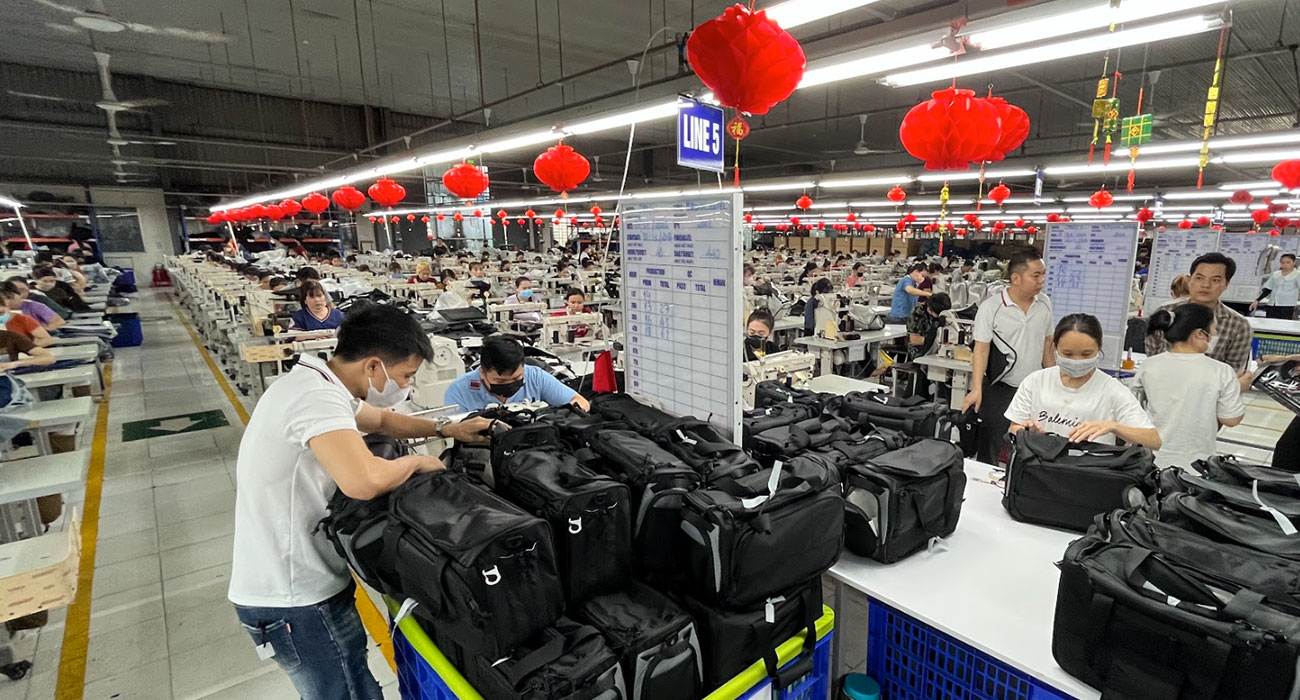
Choosing the right factory is one of the most important decisions in soft goods product development. And it’s also one of the most misunderstood.
Not All Factories Are Built the Same
One of the biggest misconceptions is that factories are interchangeable.
They’re not.
Different factories specialize in different things:
- Some are built for high-volume, simple products
- Others handle complex construction and technical materials
- Some excel at soft goods with structure
- Others are better suited for basic sewn goods
Even within soft goods, there are major differences:
- bags vs apparel
- structured vs unstructured products
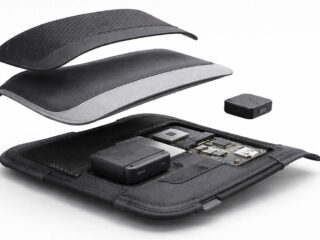
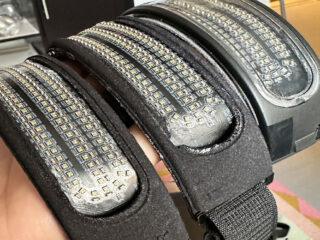
- products with hardware or electronics integration
Sending your product to the wrong type of factory is where problems begin.
What Happens When You Choose the Wrong Factory
At first, everything might seem fine.
The factory says they can do it.
They provide a quote.
You move into sampling.
Then issues start showing up:
- Construction details aren’t executed correctly
- Materials are substituted or misunderstood
- The product doesn’t perform as expected
- Iterations increase
- Costs start creeping up
At that point, you’re not just developing a product — you’re trying to compensate for a mismatch.
The Right Factory Depends on the Product
The goal isn’t to find a factory.
It’s to find the right factory for your specific product.
That depends on several factors:
1. Product Complexity
A simple tote bag and a structured, load-bearing backpack require very different capabilities.
If your product includes:
- structure
- reinforcement
- load-bearing components
- multiple materials
You need a factory experienced in those areas.
2. Materials
Factories tend to specialize in certain materials:
- technical fabrics
- coated textiles
- stretch materials
- foam and padding systems
If your product relies on specific material behavior, the factory needs experience working with those materials — not just sourcing them.
3. Construction Methods
Seam types, bonding methods, reinforcement strategies — these vary widely.
A factory that typically produces simple sewn goods may struggle with:
- complex seam construction
- layered assemblies
- durability requirements
4. Integration Requirements
If your product includes:
- hardware
- rigid components
- electronics
The factory needs to understand how to integrate those into a soft goods system.
This is where many products break down.
5. Volume and Scale
Not every factory is right for your stage.
- Some are optimized for large-scale production
- Others are better for development and smaller runs
Choosing a factory that doesn’t align with your volume can create:
- high minimums
- lack of attention during sampling
- inefficient costs
It’s Not Just About Cost
One of the most common mistakes is choosing a factory based on price alone.
A lower quote might look attractive — but it often leads to:
- more sampling rounds
- miscommunication
- inconsistent quality
- delays
The “cheapest” option frequently becomes the most expensive.
Communication Is a Major Factor
Even with the right factory, communication matters.
Clear documentation, expectations, and feedback loops are critical.
Factories don’t build your idea.
They build what’s:
- defined
- communicated
- understood
This is why a strong tech pack and clear construction direction are essential.
Experience Changes Everything
Working with overseas factories involves more than just sending files and waiting for samples.
It requires:
- understanding how factories interpret designs
- knowing what to prioritize
- anticipating where things can go wrong
This is where experience makes a difference.
Not just having factory contacts — but knowing:
👉 which factory is right for which product
👉 how to guide the process
👉 how to avoid costly mistakes early
The Better Approach
Instead of asking:
“Which factory can make this?”
A better question is:
“Which factory is best suited for this product — and why?”
That shift alone changes the outcome.
Final Thought
Choosing the right factory isn’t a step at the end of the process.
It’s part of the system from the beginning.
When the product, materials, and manufacturing partner are aligned early, everything becomes smoother:
- better prototypes
- fewer revisions
- more predictable costs
- stronger final product
The wrong factory creates friction at every stage.
The right one helps bring the product to life the way it was intended.