The Problem
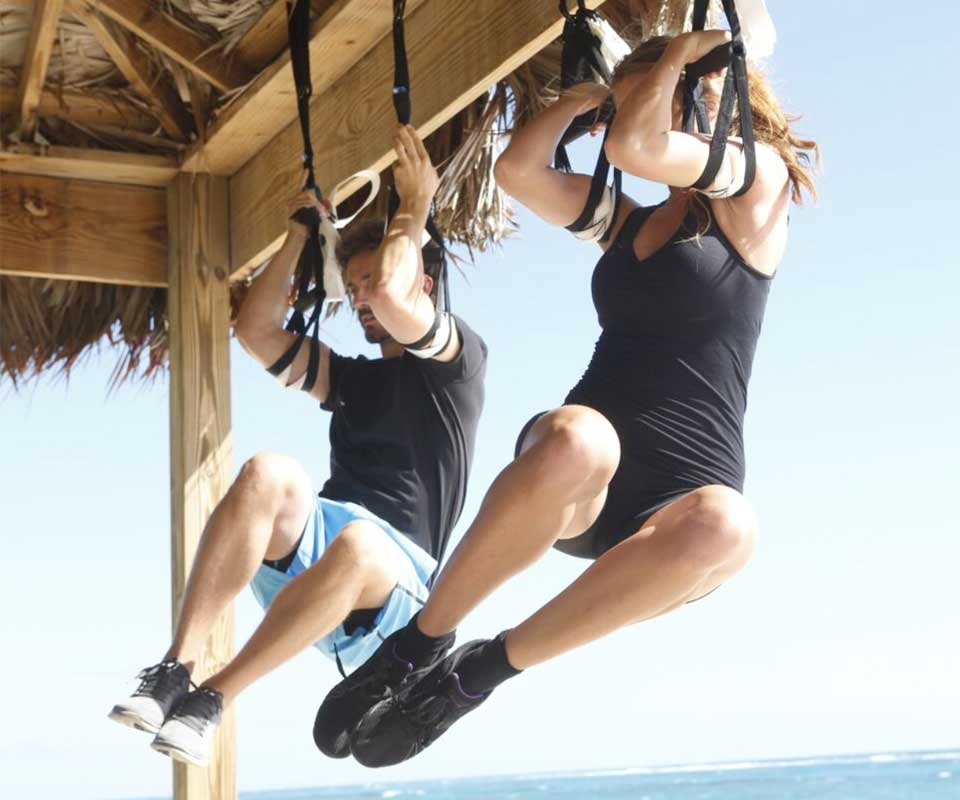
Suspension training products operate under constant tension and repeated stress. The product needed to:
- Support full body weight under dynamic load
- Maintain structural integrity over repeated use cycles
- Ensure safety across all connection points
- Provide a comfortable and intuitive user interface
- Withstand abrasion and environmental exposure
- Be manufacturable with consistent quality
Unlike carry products, failure here is not cosmetic — it’s functional and safety-critical.
Our Role
studioFAR led the textile system design and product development, including:
- Load-bearing construction strategy
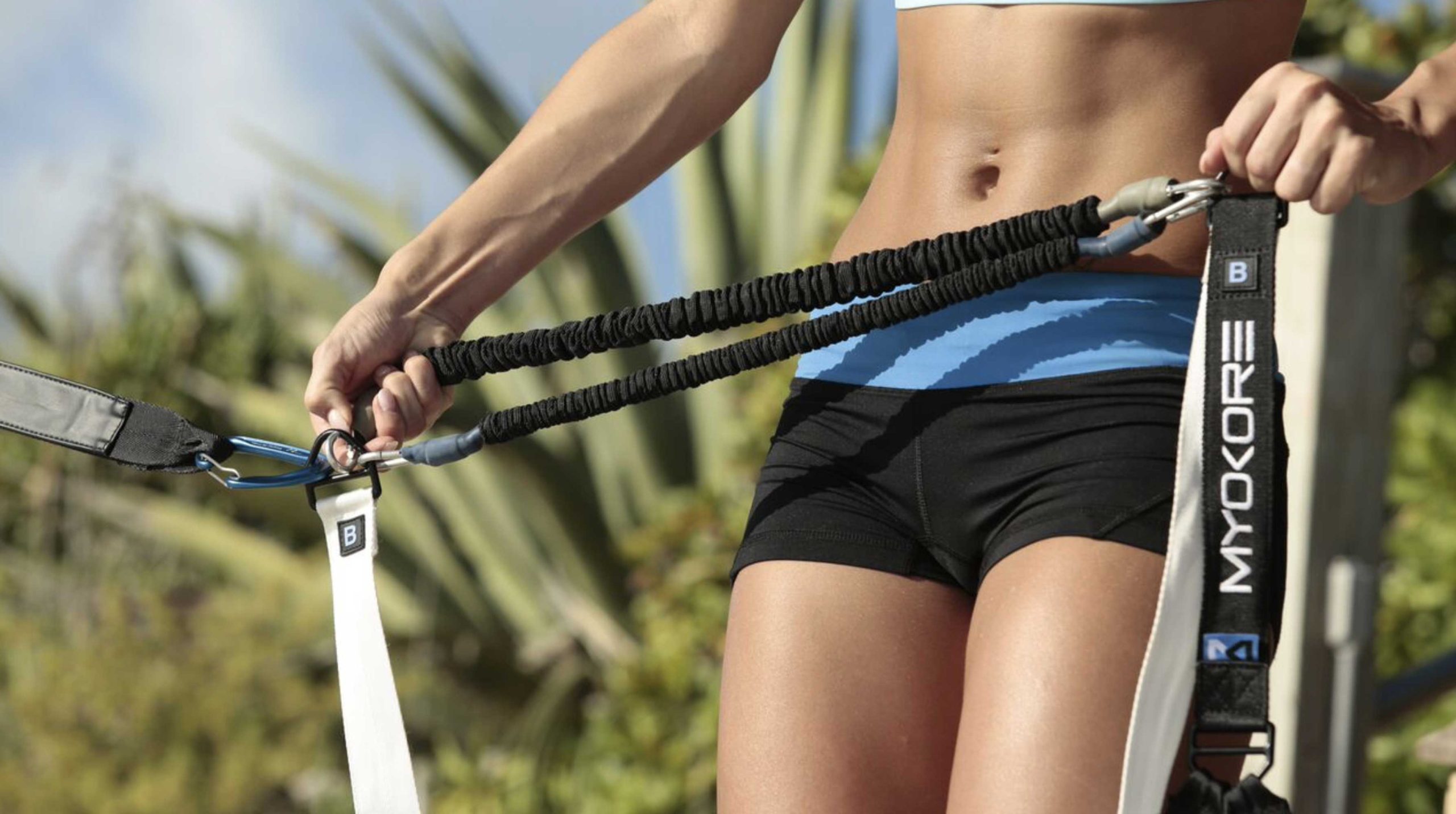
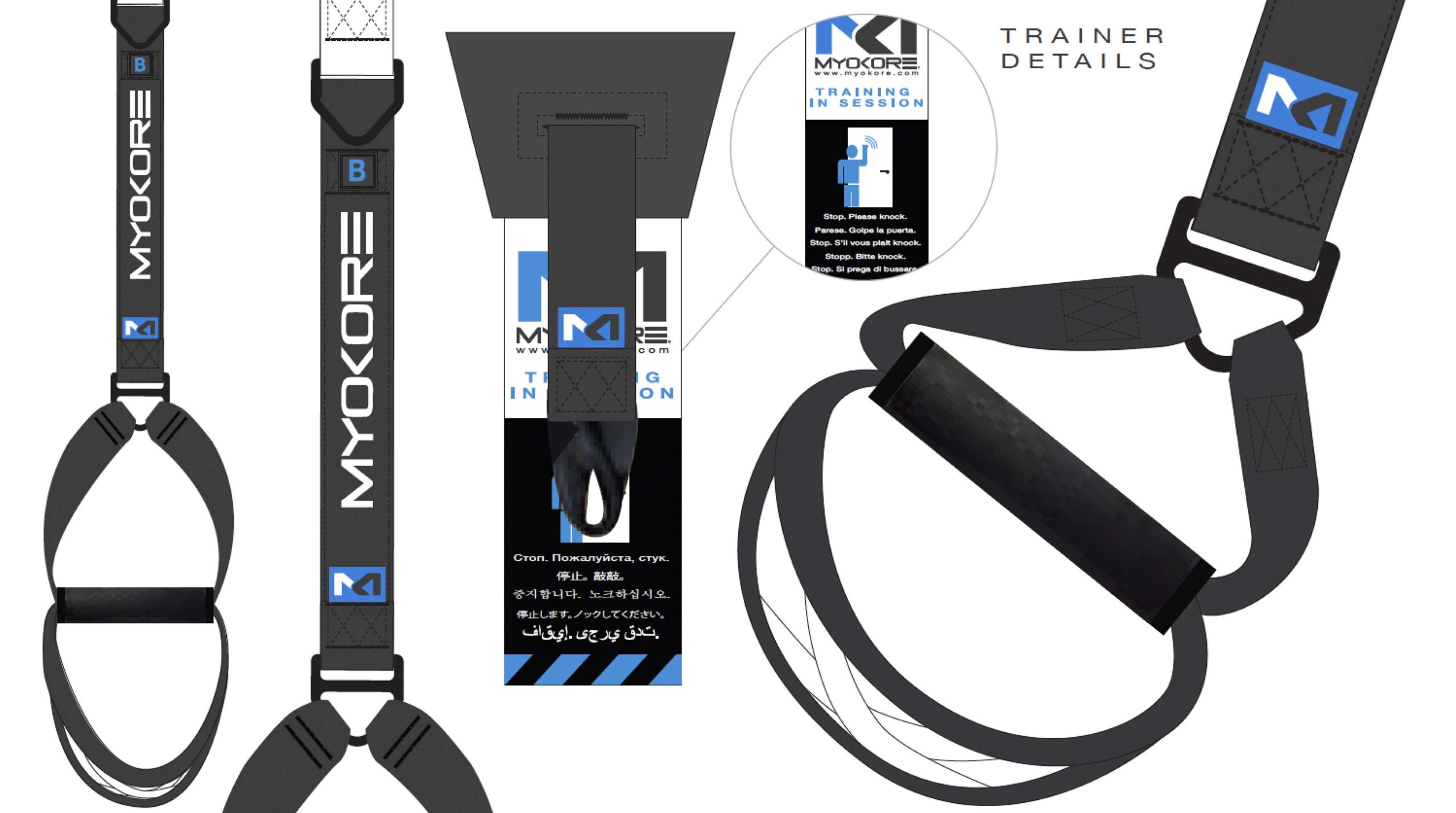
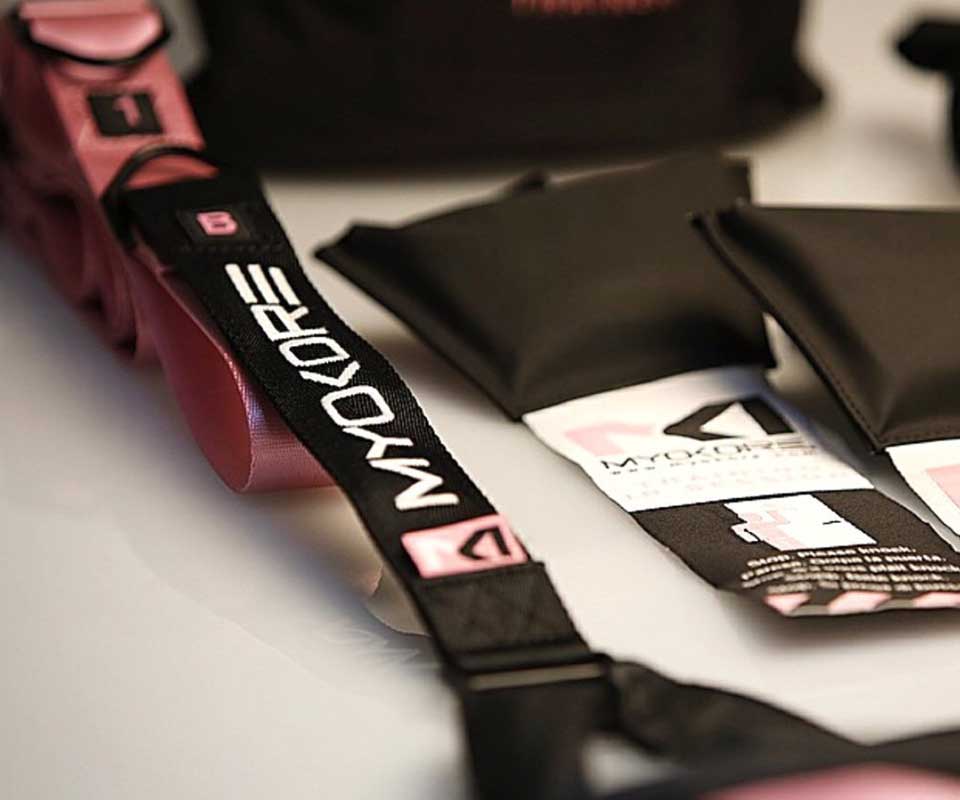
- Strap and connection system design
- Material selection for strength and durability
- Reinforcement and stress-point engineering
- Ergonomic interface design
- Design for manufacturing (DFM)
The focus was on creating a reliable system that performs under load without failure.
Approach
1. Load-Bearing System Design
The product needed to support dynamic human movement under tension.
We developed:
- Reinforced load paths throughout the system
- Structural layering for strength and redundancy
- Secure connection points designed for repeated stress
Every component was designed to handle load safely.
2. Material & Strength Strategy
Material selection was critical to performance.
We prioritized:
- High-tensile strength textiles
- Durability under friction and wear
- Consistency across production batches
- Compatibility with manufacturing processes
Material decisions directly impacted safety and longevity.
Approach
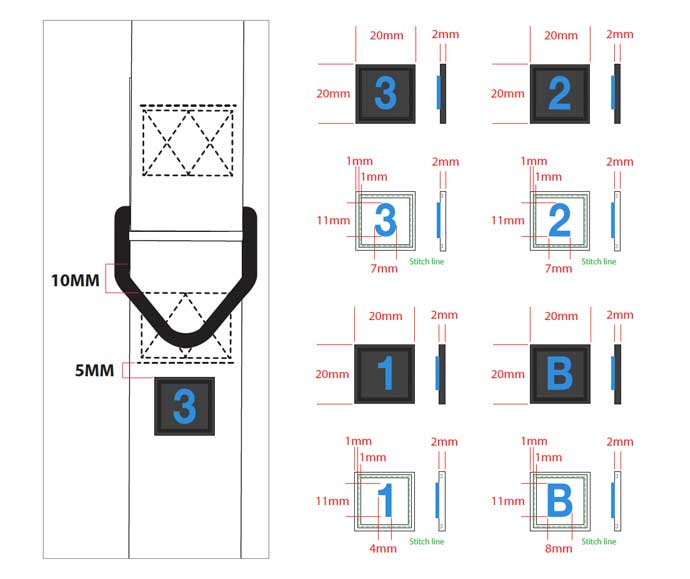
3. Reinforcement & Stress-Point Engineering
Failure typically occurs at connection and stress zones.
We engineered:
- Reinforced stitching patterns
- Layered construction at high-load points
- Redundant strength in critical areas
This ensured long-term reliability under repeated use.
4. Human Interaction & Usability
The system needed to be intuitive and comfortable.
We designed:
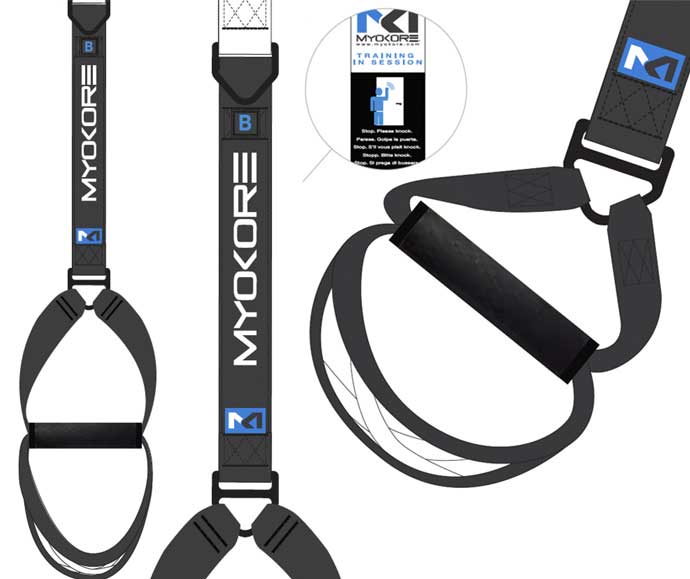
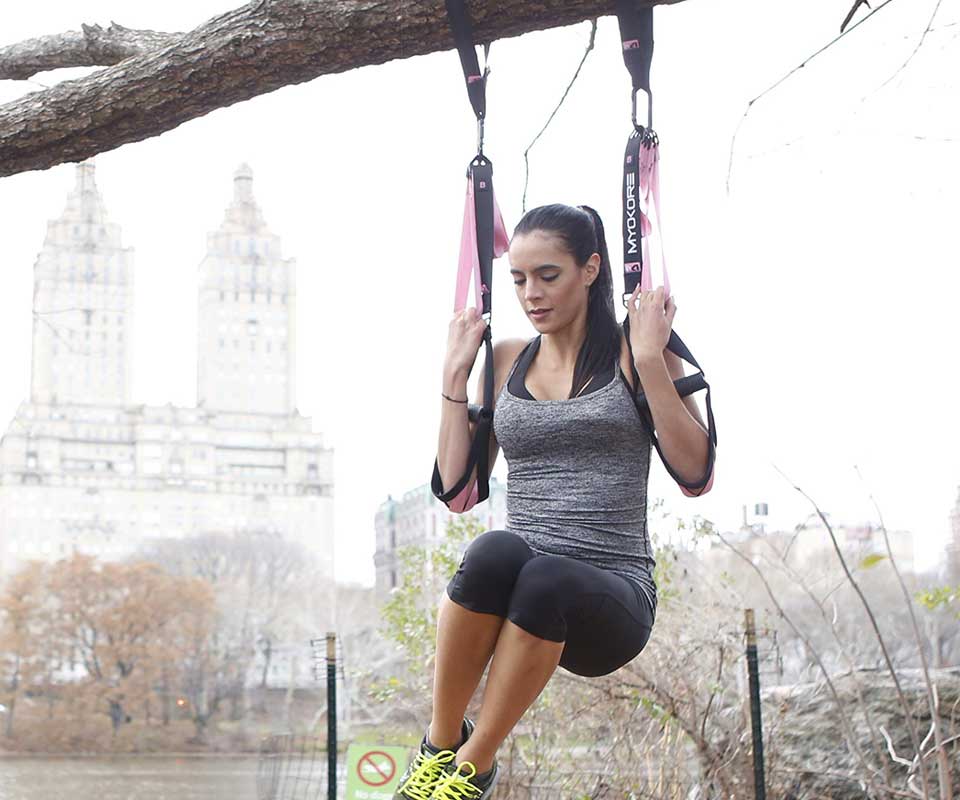
- Ergonomic grip and contact points
- Clear adjustability
- Efficient setup and use
Performance products must work seamlessly with the user.
5. Design for Manufacturing (DFM)
Despite performance requirements, the product was developed for scalable production.
This included:
- Repeatable construction methods
- Alignment with factory capabilities
- Controlled assembly processes
The goal was consistent quality across units.
Where Most Teams Get This Wrong
Textile-based fitness products often fail due to:
- Underestimating load and stress over time
- Weak reinforcement at connection points
- Inconsistent material performance
- Designs that don’t translate cleanly to manufacturing
These issues create safety risks and product failure.
Outcome
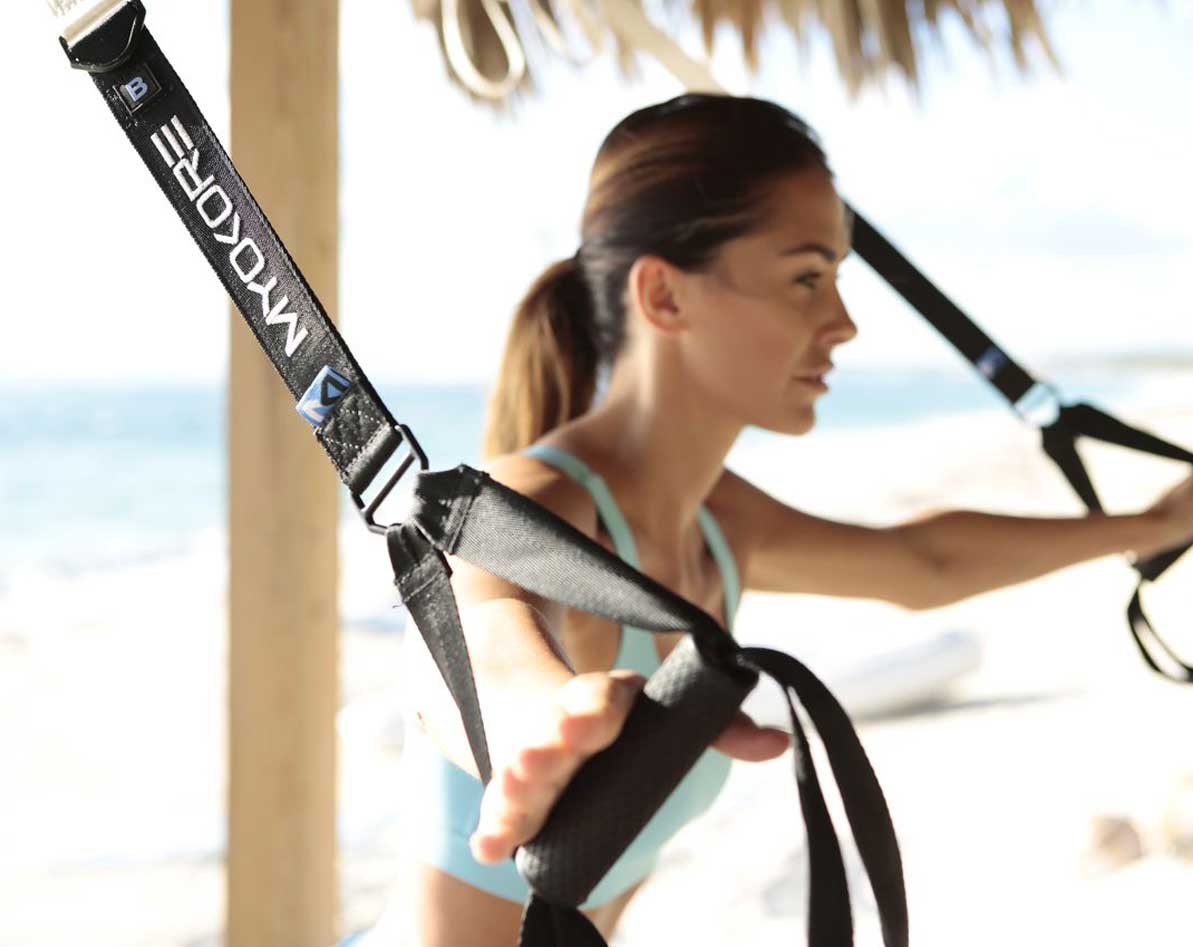
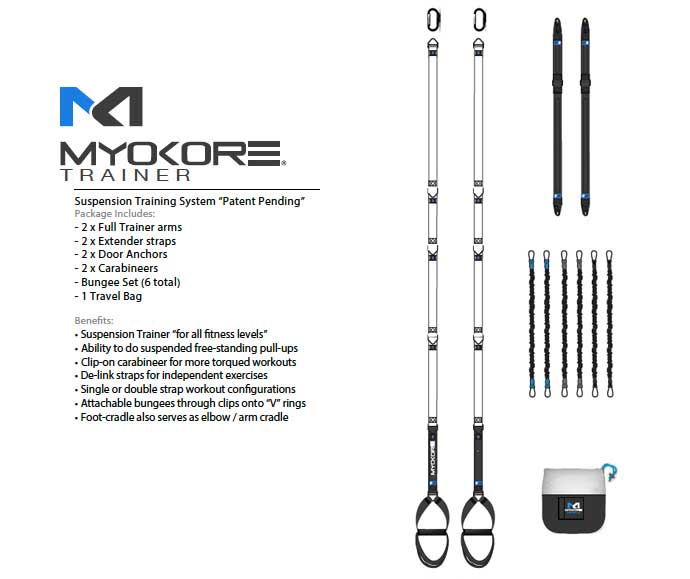
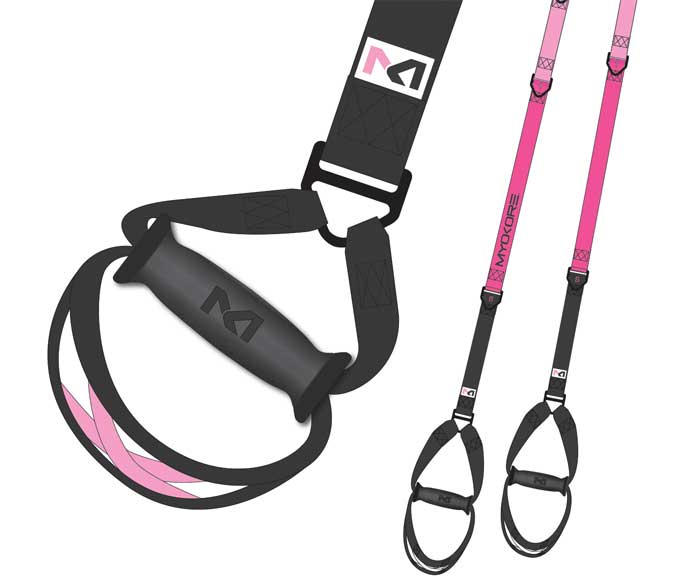
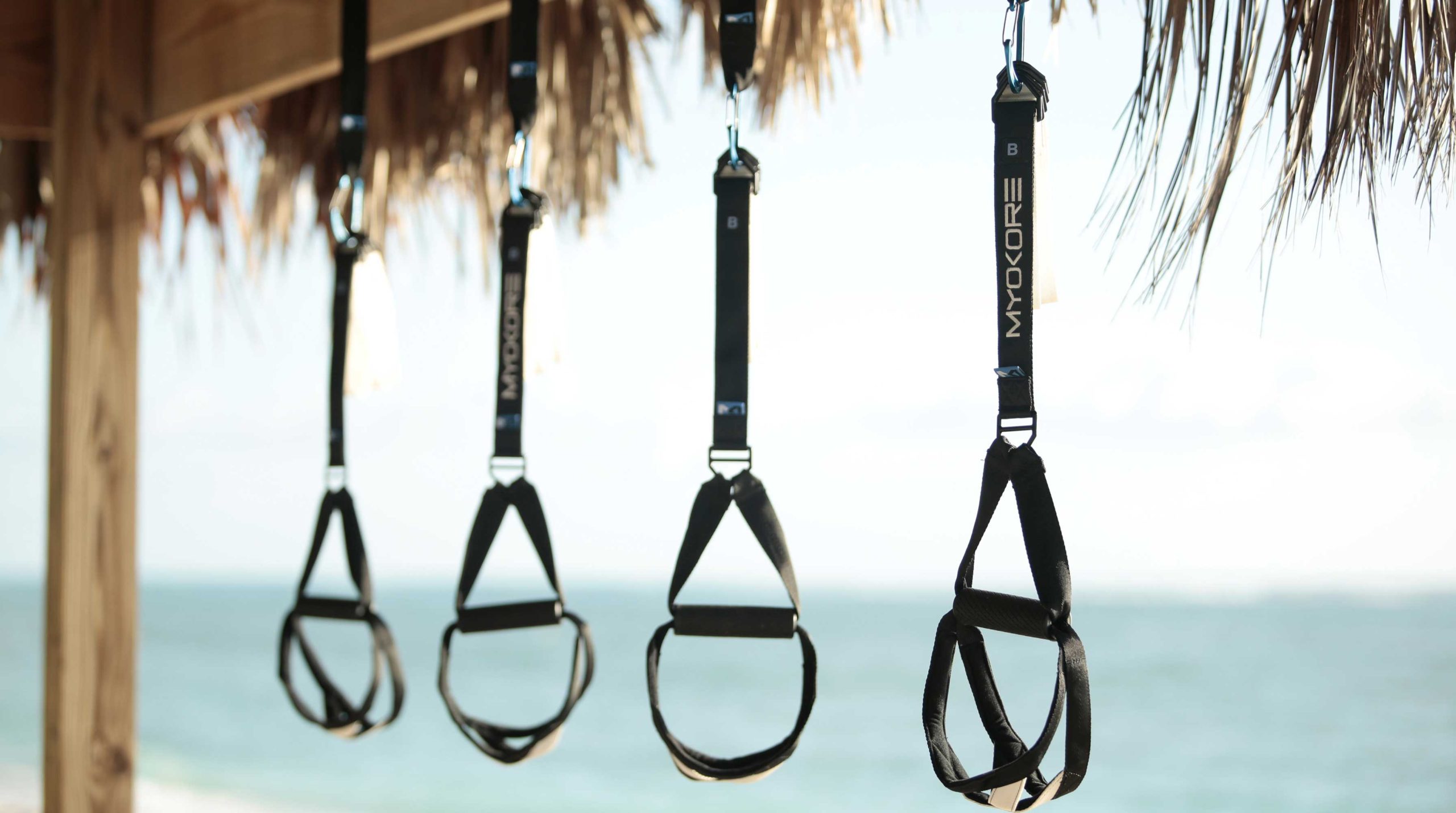
The Myokore Suspension Trainer delivers:
- A reliable load-bearing textile system
- Durable construction under repeated stress
- Safe and intuitive user interaction
- A manufacturable product platform