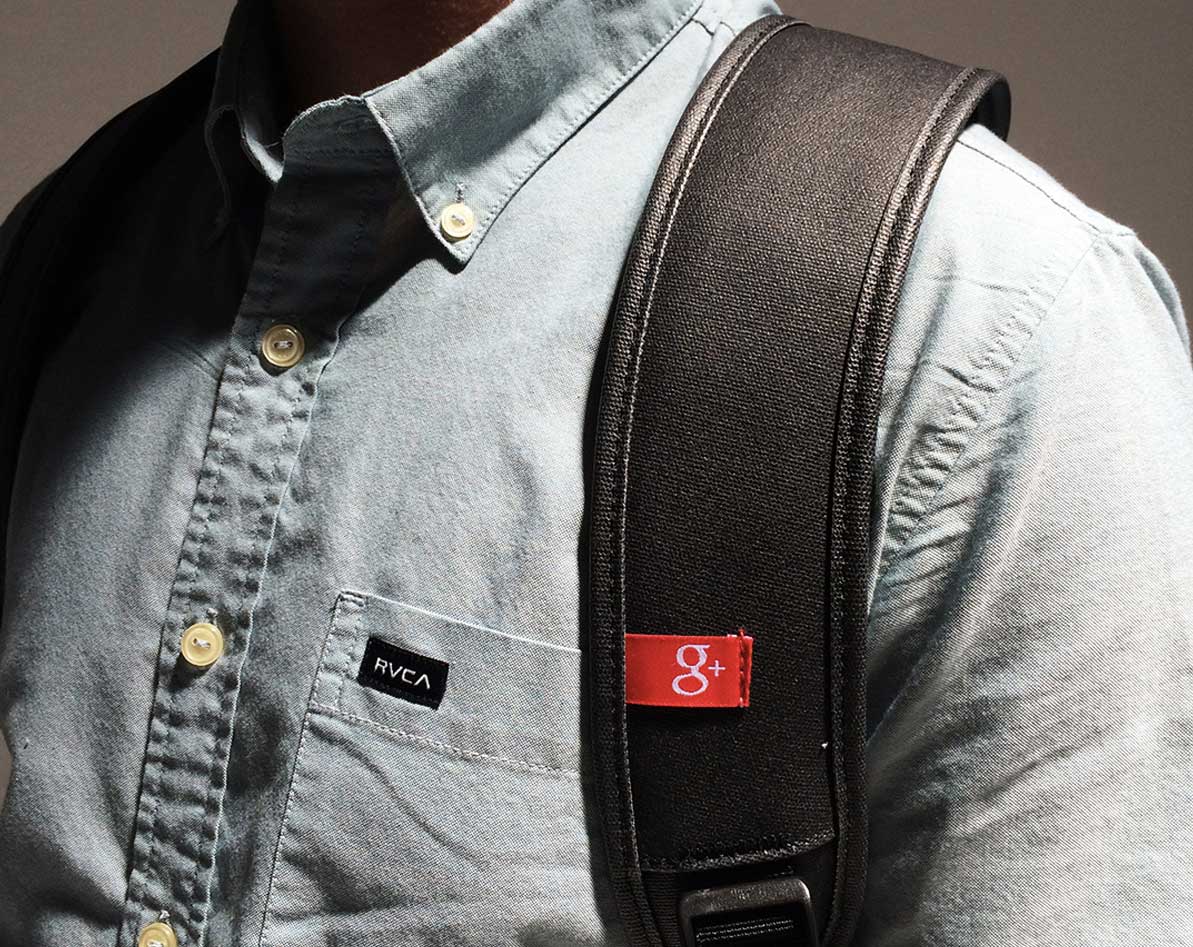
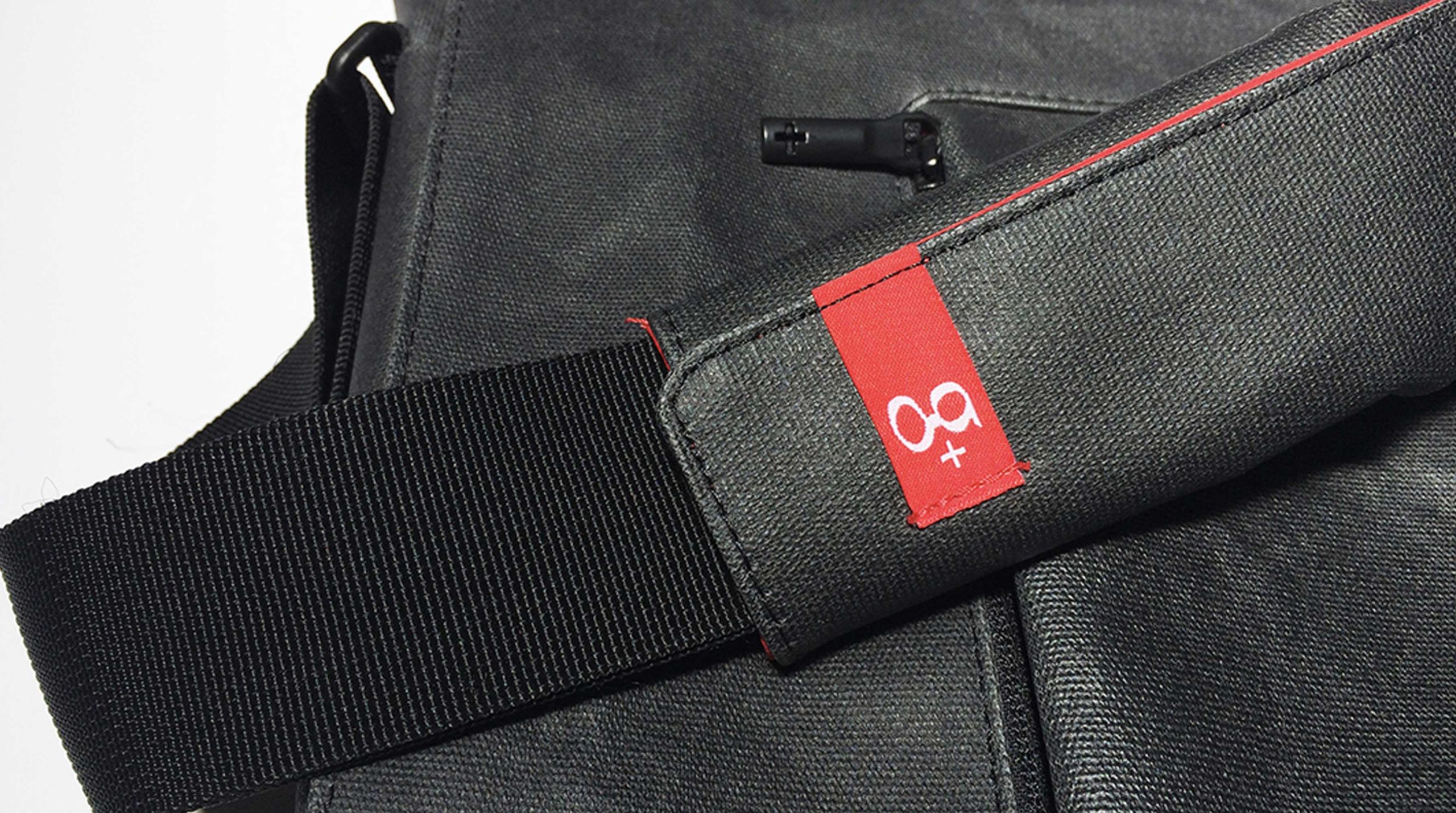
The Problem
Branded promotional products operate under a different set of constraints than traditional consumer products. The product needed to:
- Accurately reflect Google’s brand standards and quality expectations
- Be durable enough for repeated use
- Maintain consistency across production units
- Balance cost with perceived value
- Be produced at scale within defined timelines
- Translate design intent clearly to manufacturing partners
Unlike typical product development, the challenge here was executing at a high level within brand and production constraints.
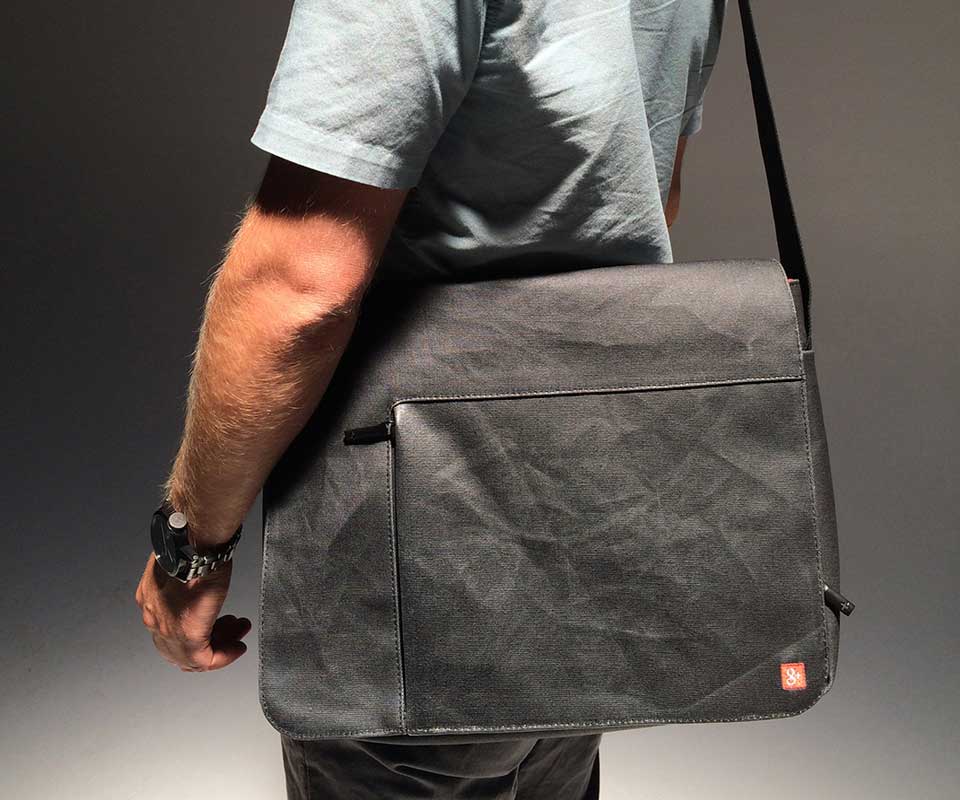
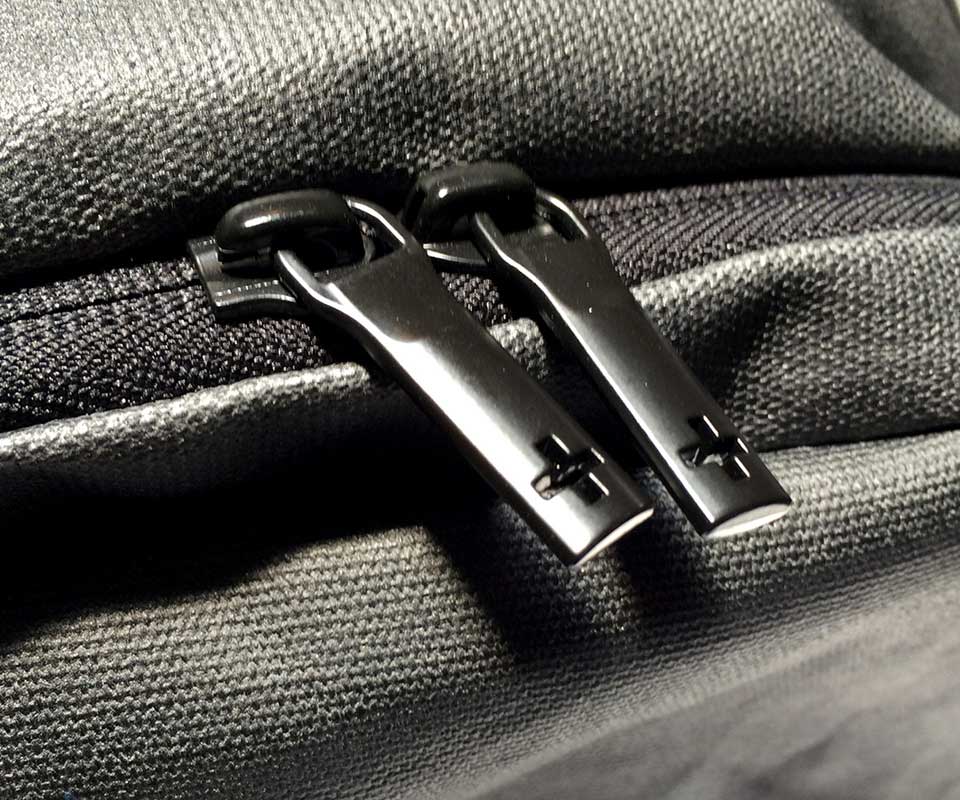
Our Role
studioFAR led the soft goods design and development, including:
- Product design aligned with Google’s brand guidelines
- Construction strategy for durability and consistency
- Material selection balancing quality and cost
- Development of manufacturing-ready specifications
- Oversight of product development for scalable production
The focus was on delivering a product that met both brand expectations and production realities.
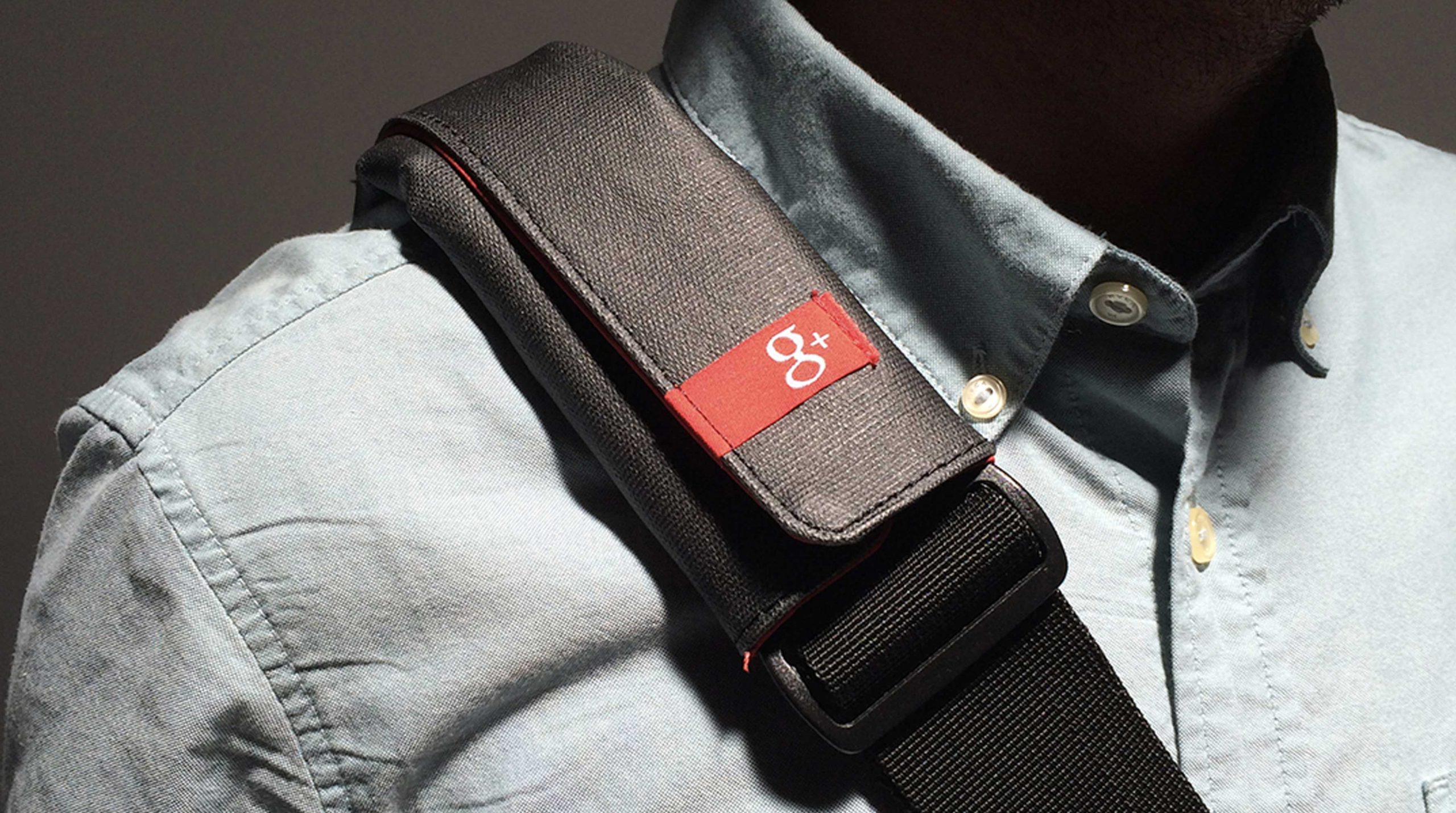
Approach
1. Brand Translation into Product
The design needed to reflect Google’s visual and product standards.
We focused on:
- Clean, minimal construction
- Material choices aligned with brand perception
- Subtle detailing rather than over-design
The goal was a product that felt consistent with the brand — not just labeled with it.
2. Material & Cost Strategy
Promotional products require careful cost control without compromising quality.
We developed:
- Material selections that balanced durability and price
- Construction methods aligned with production efficiency
- Decisions that maintained perceived value at scale
Approach
3. Construction & Consistency
Consistency across units was critical.
We designed:
- Clear construction specifications
- Repeatable assembly methods
- Controlled detailing to reduce variation
This ensured the final product matched expectations across production runs.
4. Design for Manufacturing (DFM)
The product was developed with manufacturing in mind from the start.
This included:
- Aligning with factory capabilities
- Reducing unnecessary complexity
- Creating clear documentation for production
The goal was reliable execution at volume.
Where Most Teams Get This Wrong
Branded soft goods products often fail due to:
- Over-designed concepts that don’t translate to production
- Poor material choices that reduce perceived value
- Inconsistent quality across units
- Misalignment between brand expectations and manufacturing realities
These issues are especially visible when working with high-profile brands.
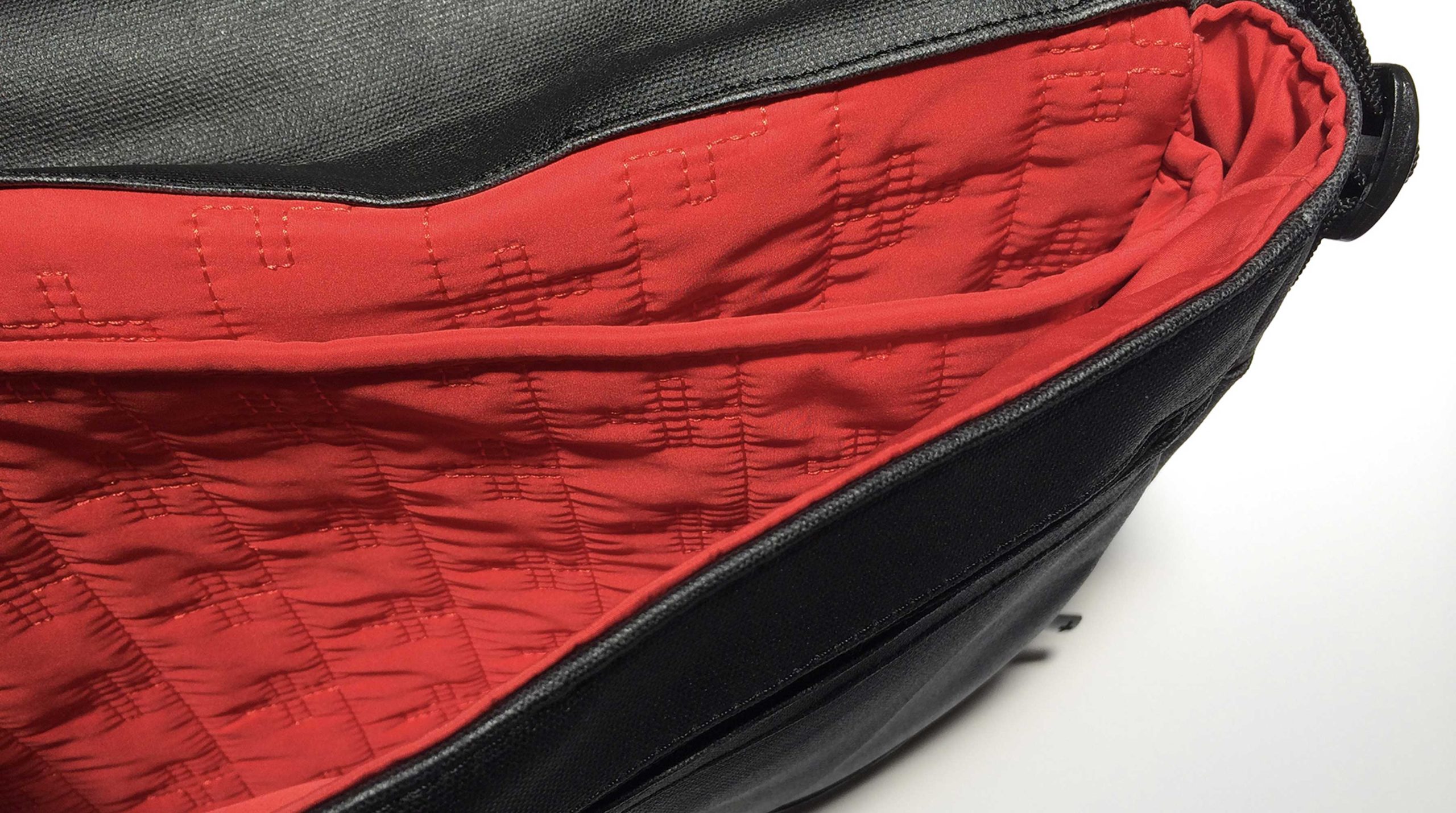
Outcome
The Google + Promo Bag delivered:
- A clean, brand-aligned soft goods product
- Durable construction suitable for repeated use
- Consistent quality across production
- A scalable manufacturing solution