The Problem
Footwear design — particularly for children — introduces a unique set of constraints. The product needed to:
- Support natural foot development and movement
- Provide comfort across extended wear
- Accommodate growth and variability in fit
- Withstand repeated use and environmental exposure
- Maintain structural integrity while remaining flexible
- Be manufacturable at scale
Unlike many products, footwear operates in constant contact with the body under movement.
Small design decisions have a direct impact on comfort and performance.
Our Role
studioFAR contributed to the footwear design and development process, including:
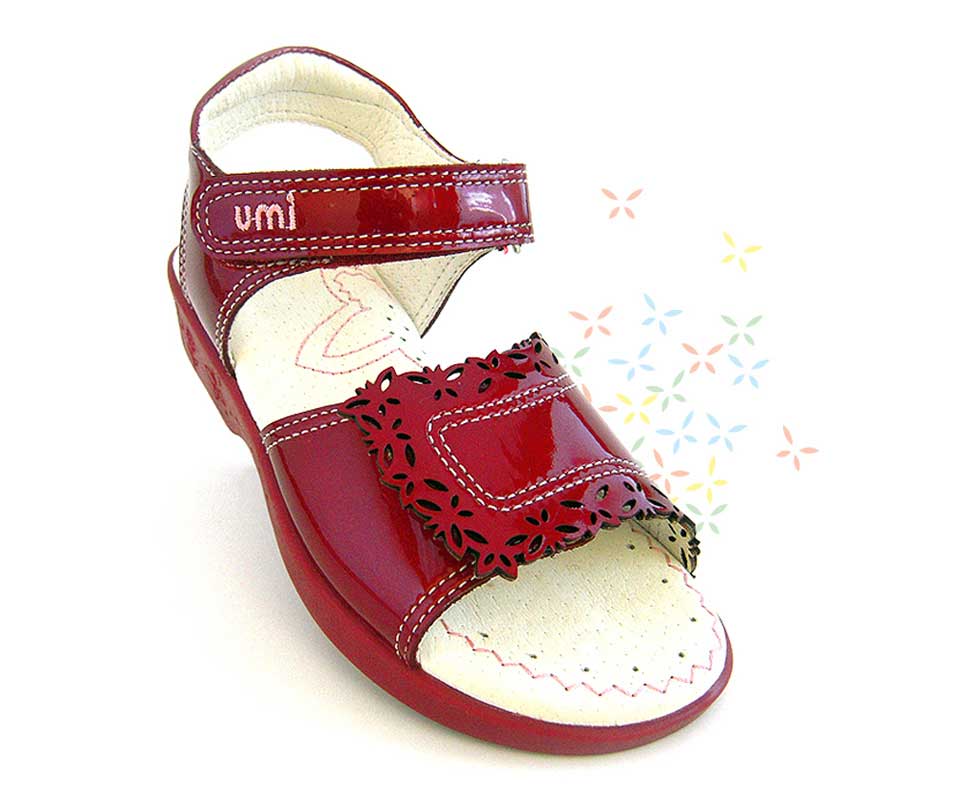
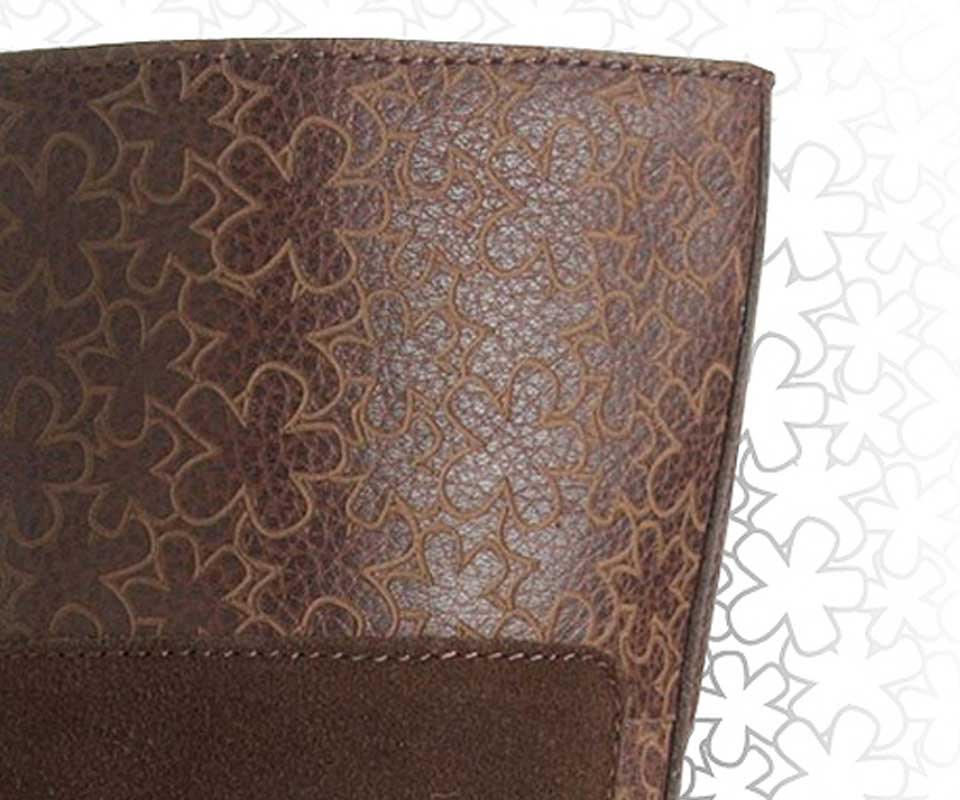
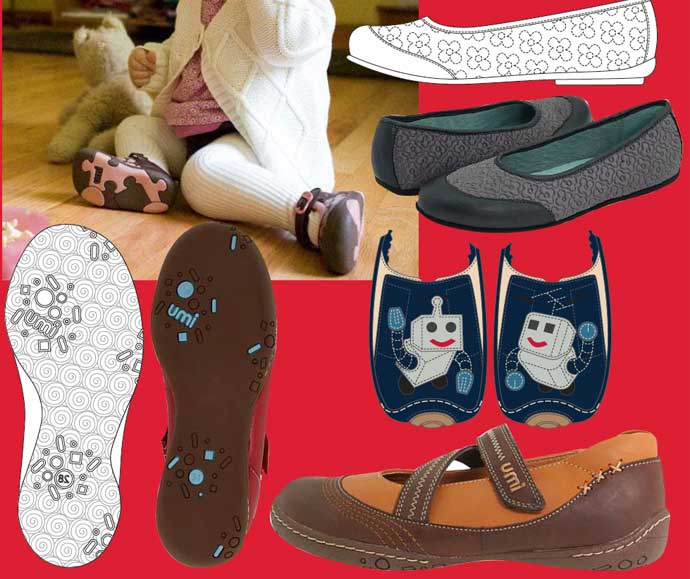
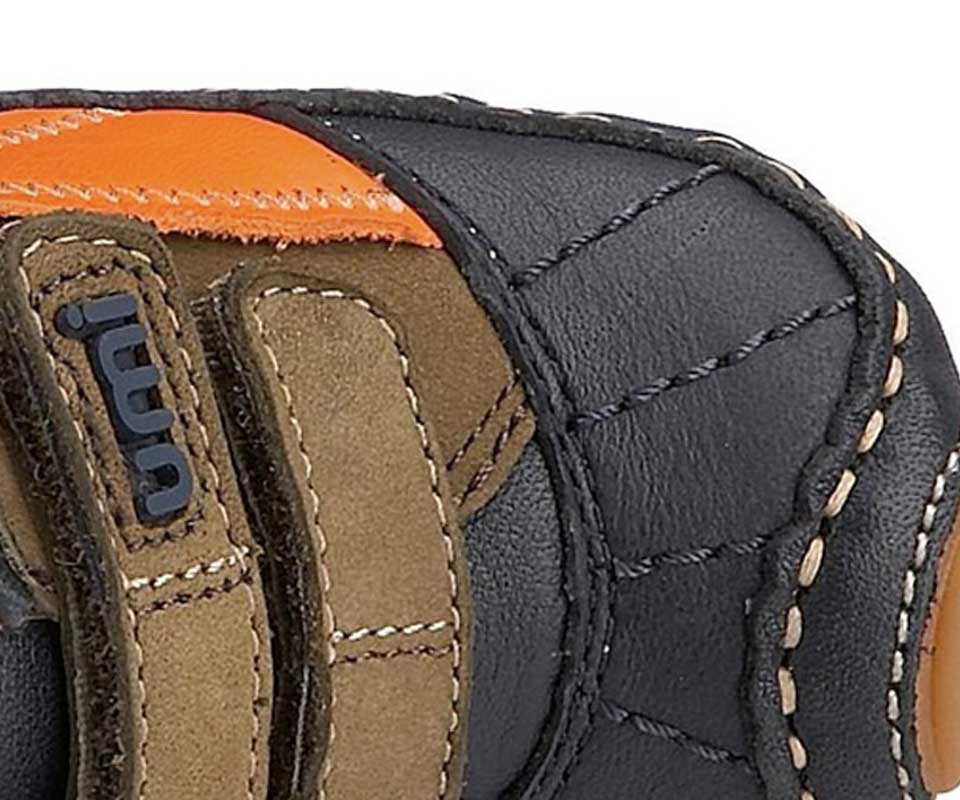
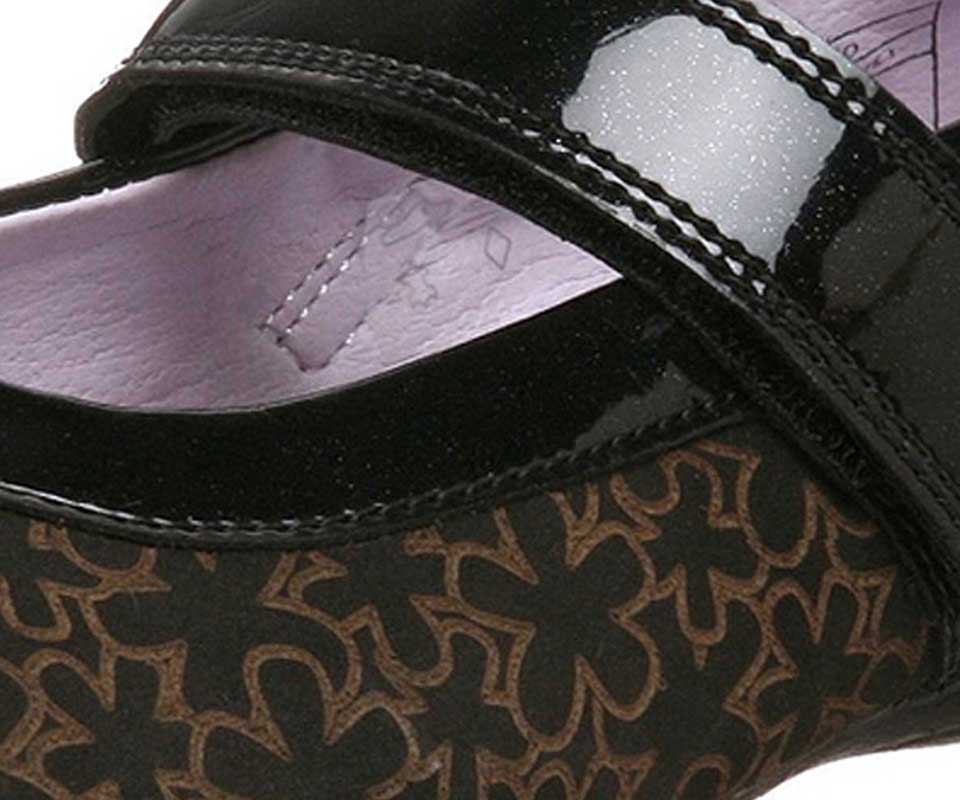
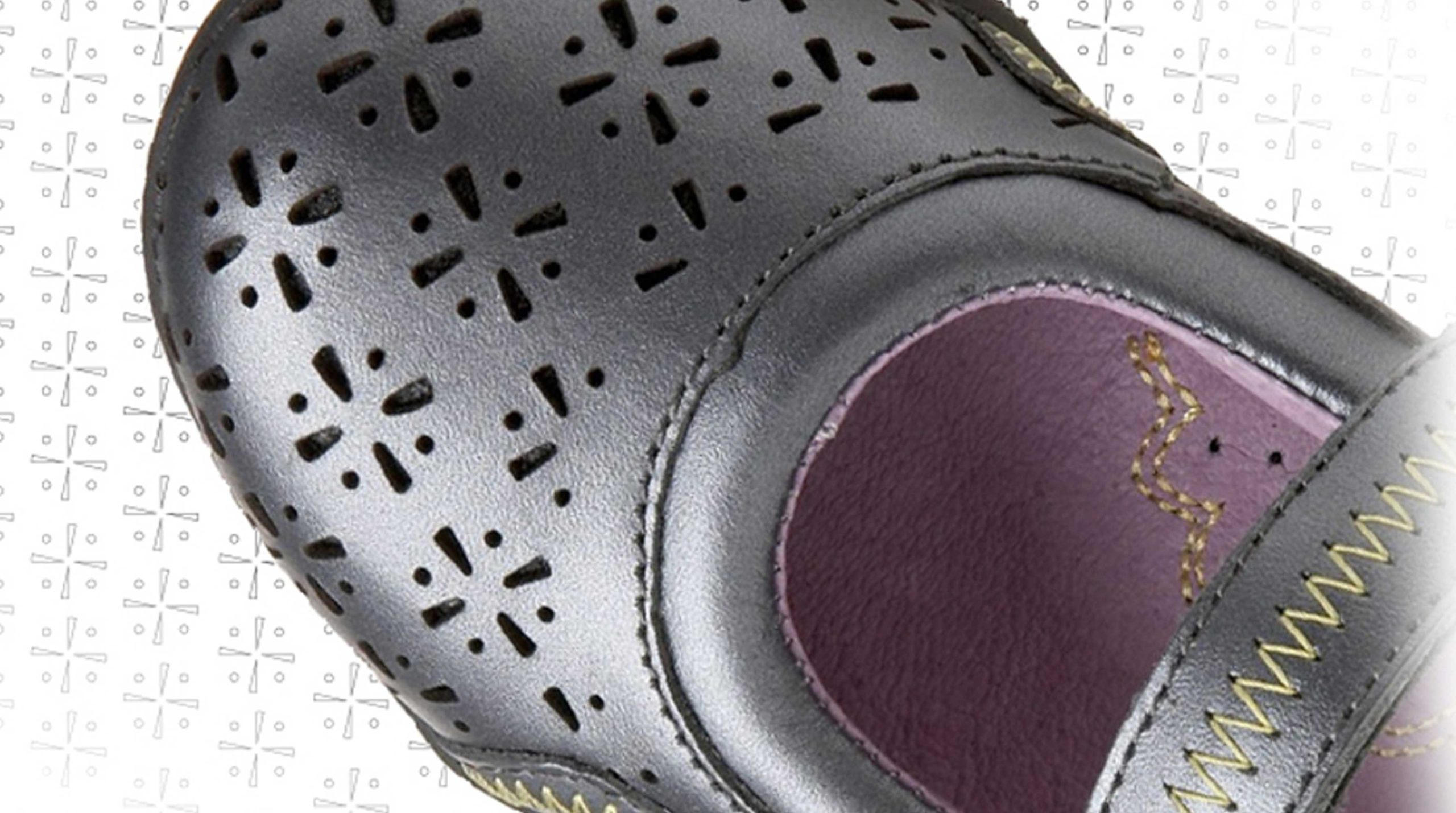
- Upper construction and material strategy
- Fit and comfort considerations
- Selection of materials for durability and flexibility
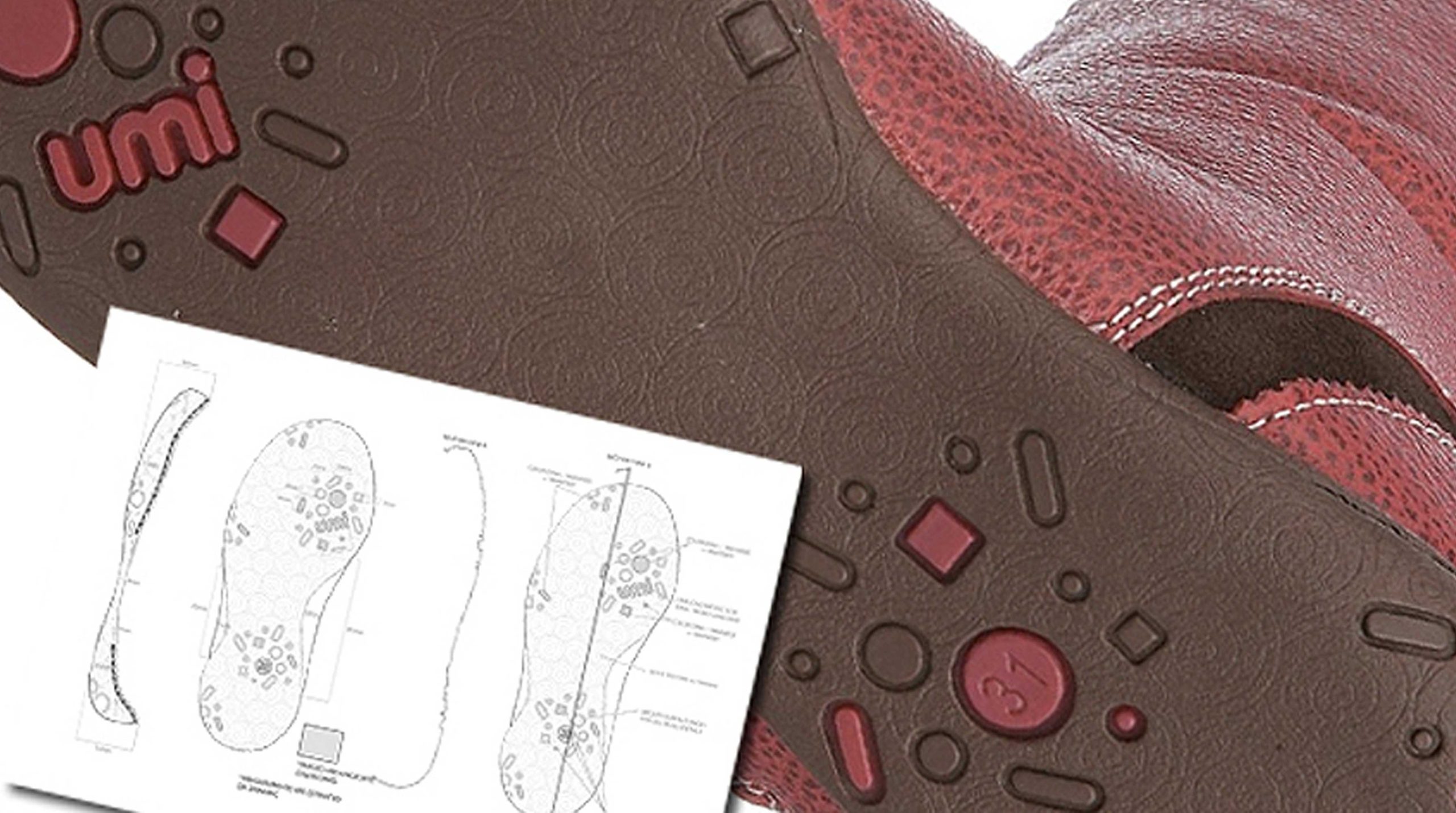
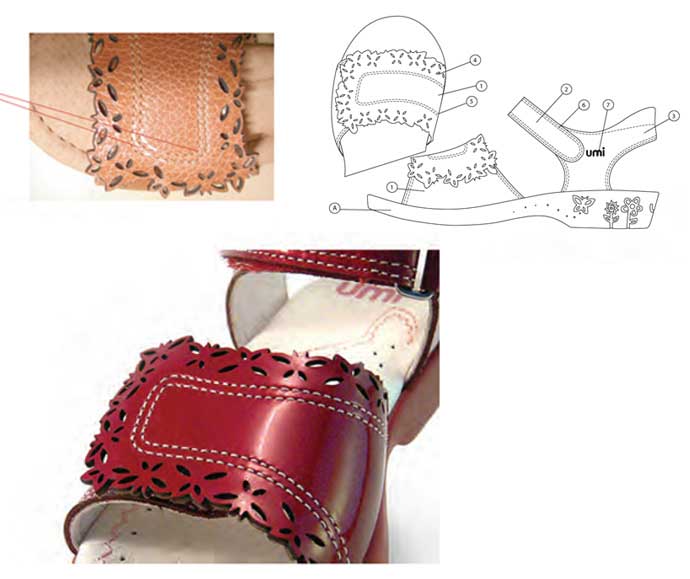
- Construction detailing for performance and longevity
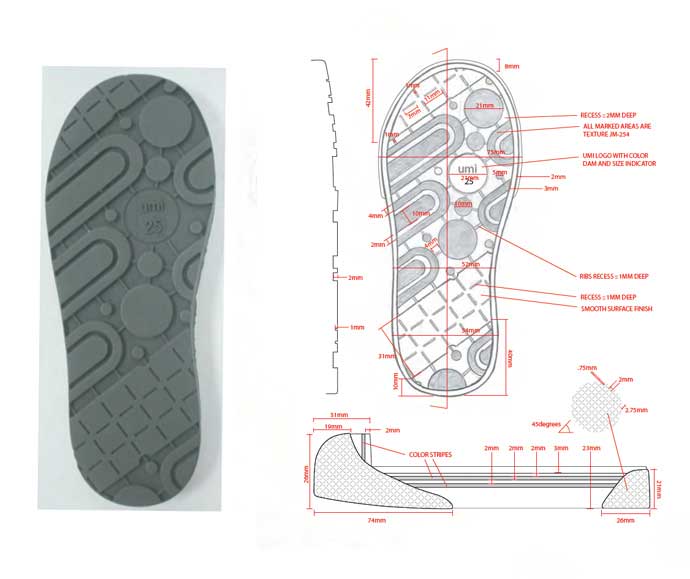
- Design for manufacturing (DFM)
The focus was on balancing comfort, durability, and production feasibility.
Approach
1. Human-Centered Fit & Comfort
Footwear must respond directly to the body.
We focused on:
- Natural movement and flexibility
- Pressure distribution across the foot
- Comfort across extended wear
Fit and comfort were treated as primary design drivers.
2. Material Strategy & Performance
Materials needed to support both durability and flexibility.
We selected:
- Flexible yet supportive upper materials
- Durable components for high-wear areas
- Materials compatible with manufacturing processes
Material behavior directly impacts both comfort and longevity.
Approach
3. Construction & Durability
Footwear experiences constant stress through movement.
We designed:
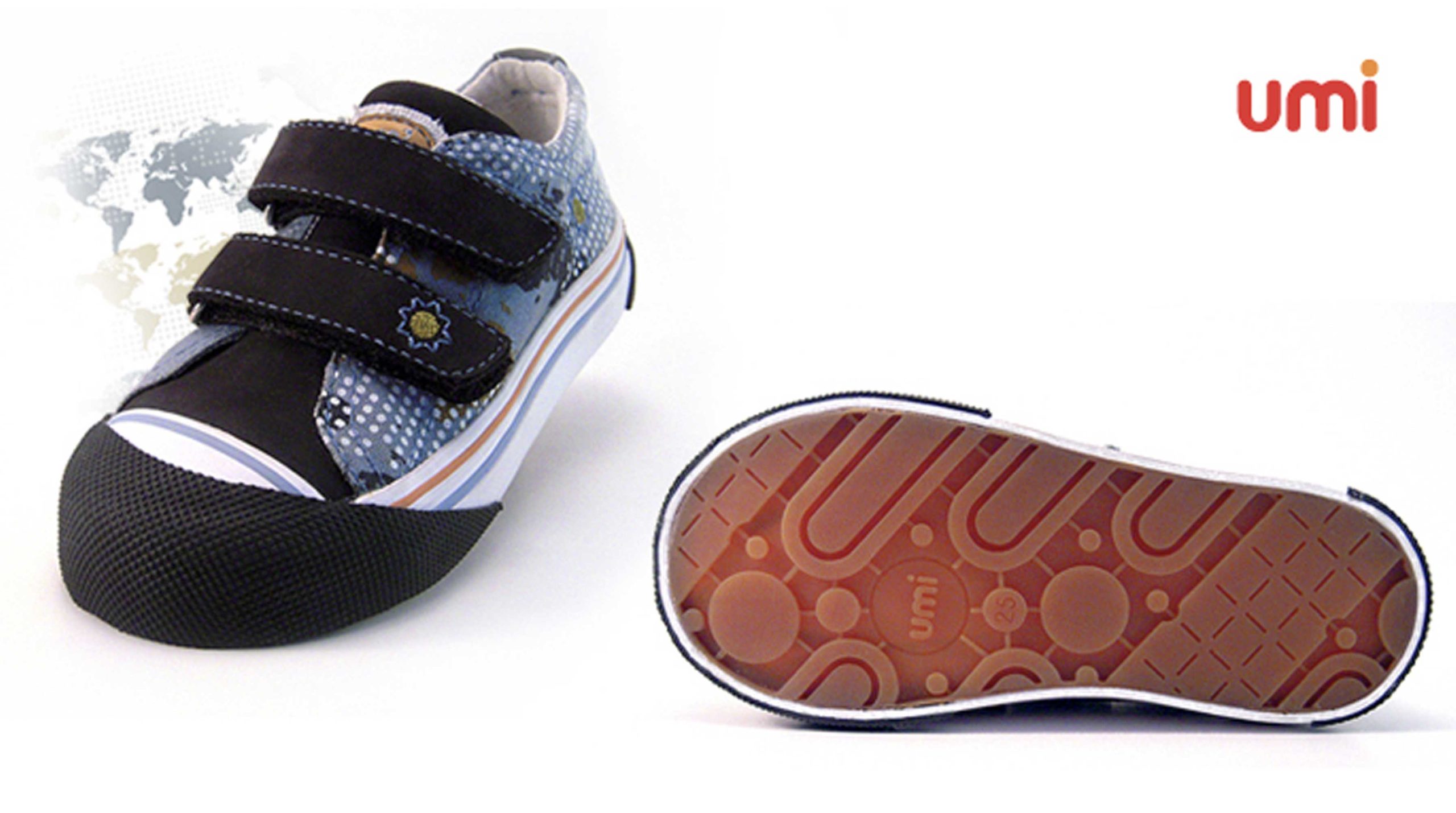
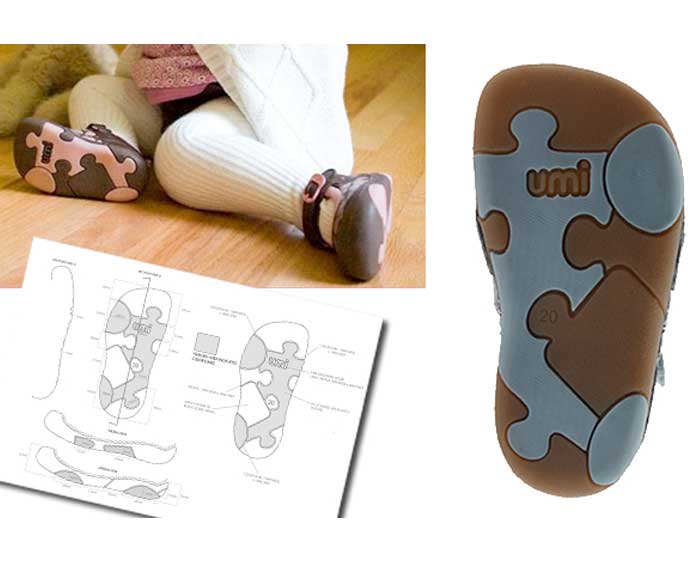
- Reinforced construction at high-wear zones
- Durable stitching and assembly methods
- Structural integrity without restricting movement
Durability was integrated into the design — not added later.
4. Design for Manufacturing (DFM)
The product was developed with production constraints in mind.
This included:
- Aligning with footwear manufacturing processes
- Ensuring consistency across sizes and units
- Balancing quality with cost
Footwear requires precision across scale.
Where Most Teams Get This Wrong
Footwear products often fail due to:
- Prioritizing aesthetics over fit and comfort
- Poor material choices that break down quickly
- Inconsistent sizing and construction
- Designs that don’t translate cleanly to manufacturing
In body-contact products, these issues are immediately felt by the user.
Outcome
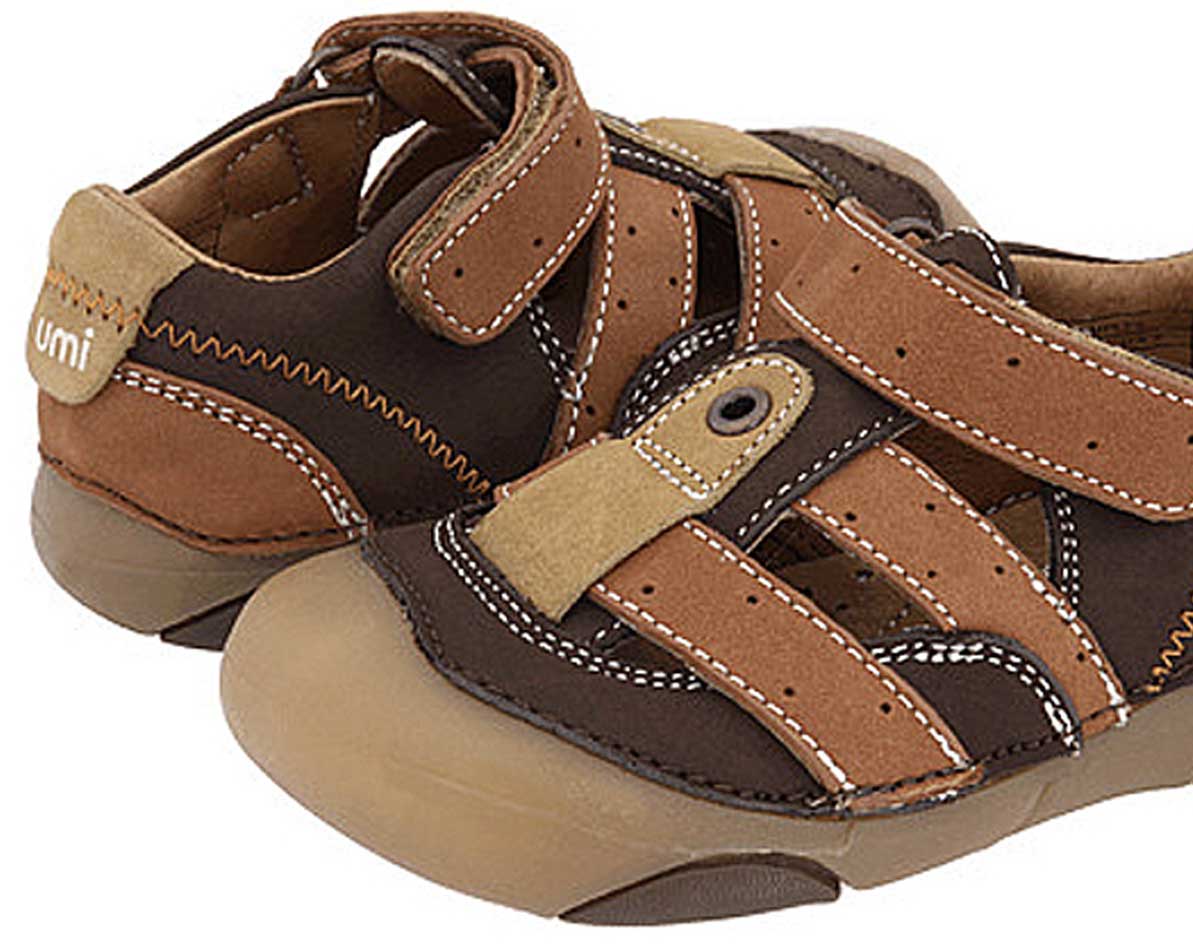
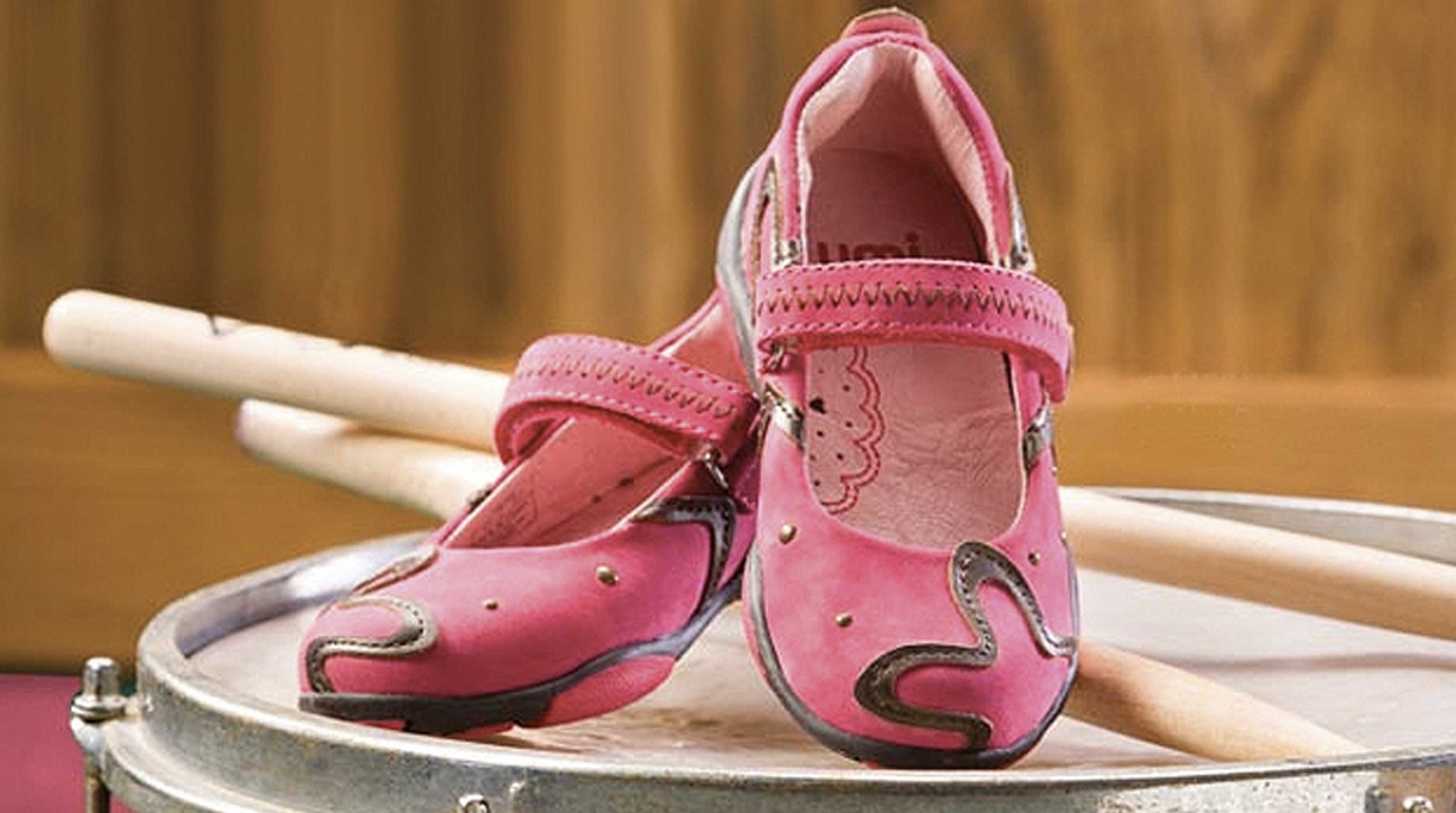
The UMI footwear project delivered:
- Comfortable, wearable products designed for daily use
- Durable construction aligned with real-world conditions
- Balanced performance across fit, flexibility, and longevity
- A manufacturable product approach
Result
Fernando has been working with me for almost two years on multiple design and development projects. He is extremely flexible, creative, has a very positive work ethic and is a pleasure to work with. Fernando understands project objectives and is able to execute designs which surpass expectation. I really enjoy working with him