The Problem
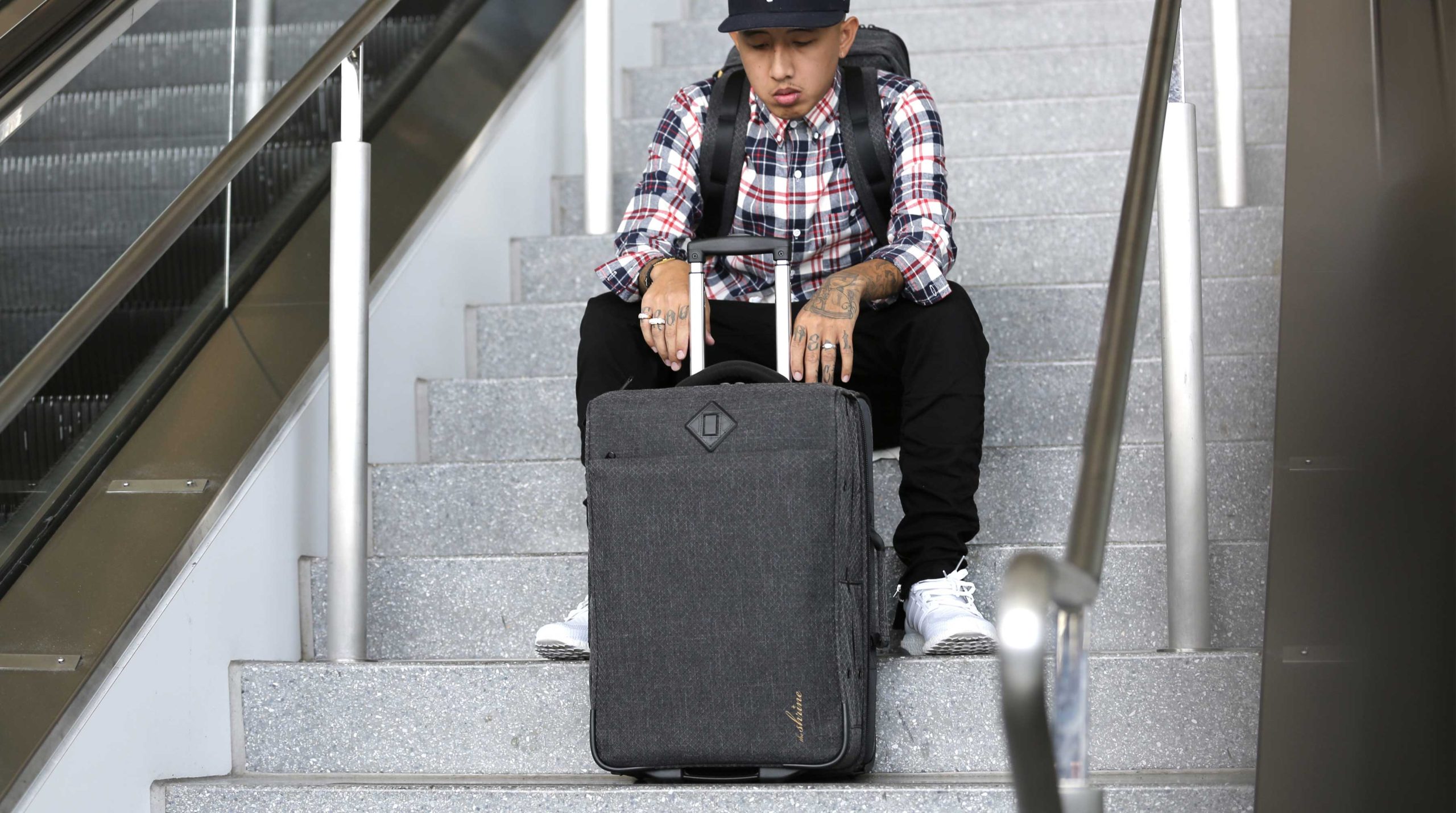
Luggage operates under different constraints than standard carry products. The product needed to:
- Withstand repeated impact, abrasion, and travel conditions
- Maintain structure while accommodating soft goods construction
- Integrate smoothly with a wheeled system and hardware components
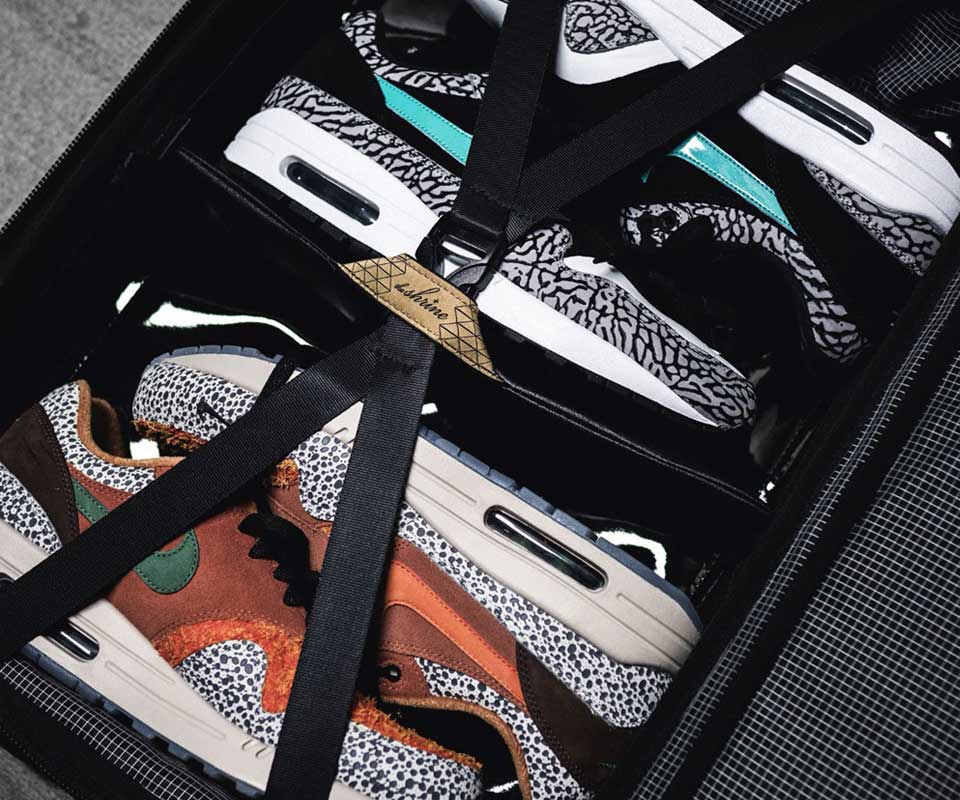
- Provide intuitive internal organization
- Balance durability with weight and cost
- Be scalable for production
Unlike backpacks, luggage must perform consistently under high-frequency, high-stress use cycles.
Our Role
Studio FAR led the soft goods system design and development, including:
- Overall product architecture and layout
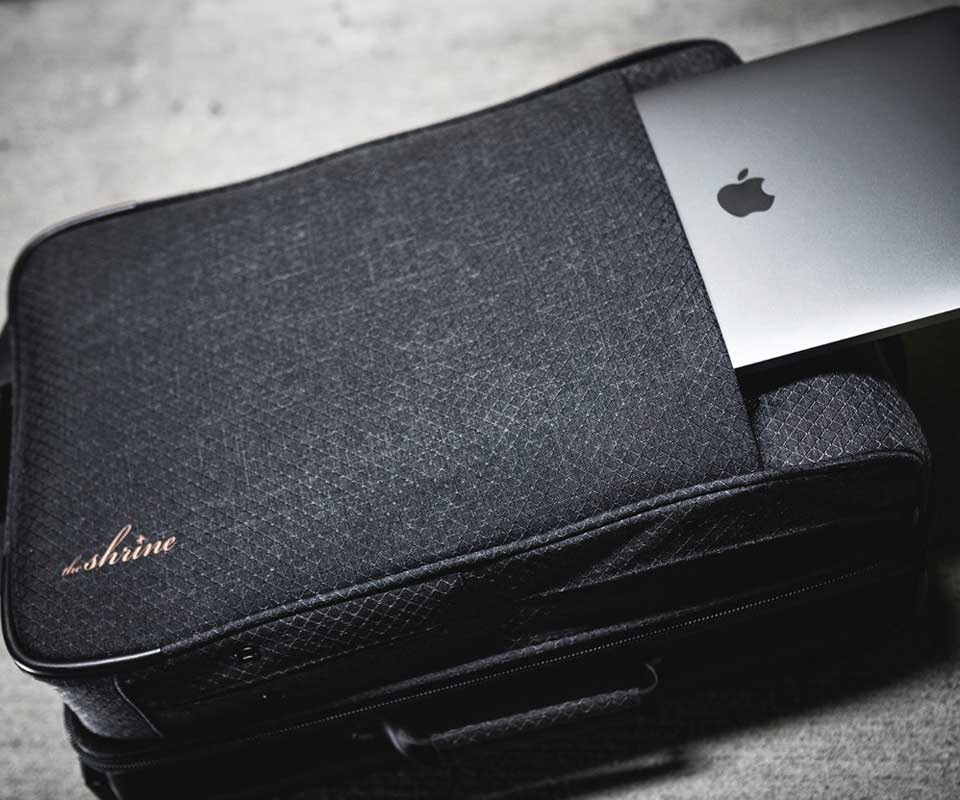
- Construction strategy for durability and structure
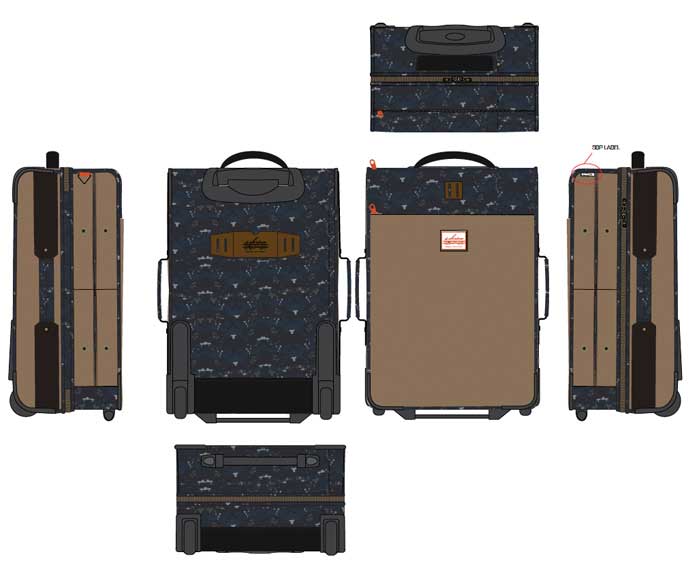
- Material selection for travel performance
- Integration with wheeled hardware system
- Internal organization design
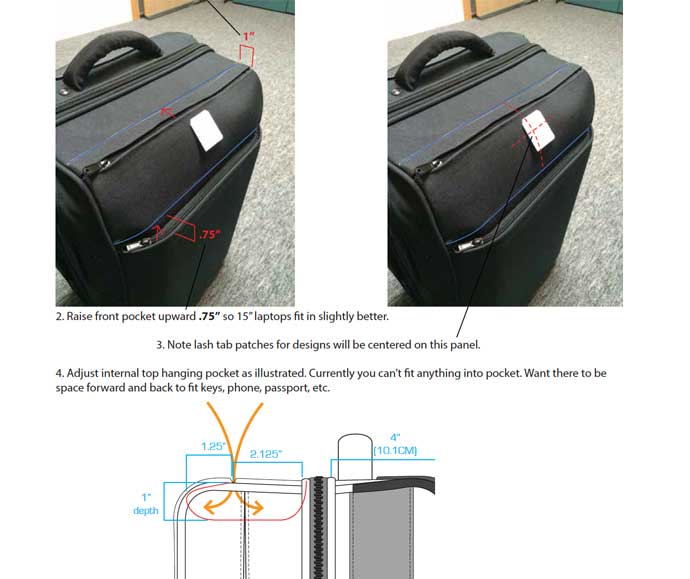
- Design for manufacturing (DFM)
The focus was on building a product that performs reliably over time — not just at launch.
Approach
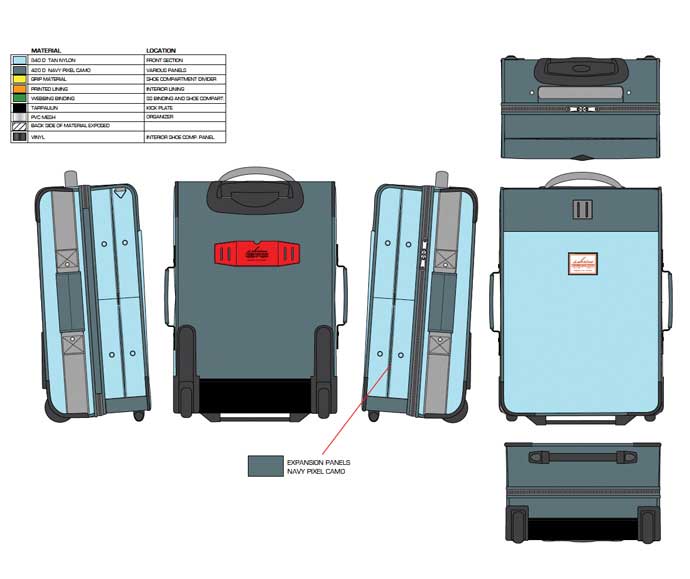
1. Structural Soft Goods Strategy
While luggage often relies on rigid shells, this project required a structured soft goods approach.
We developed:
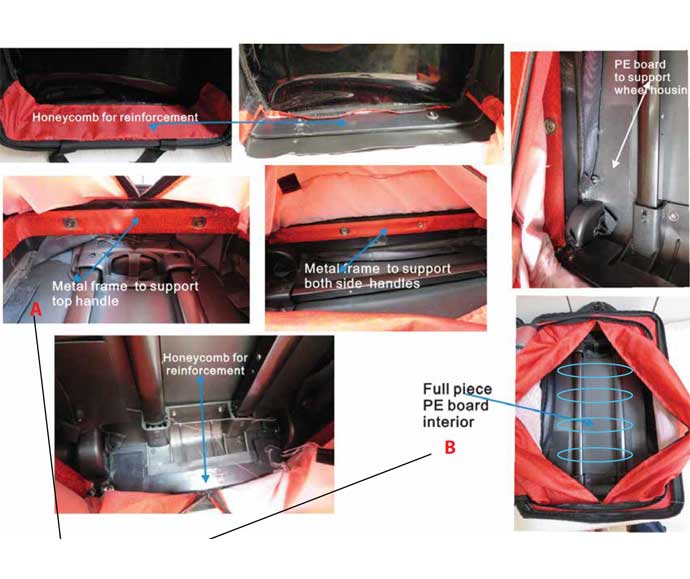
- Reinforced panel construction
- Layered materials for durability and form
- Structural zones to maintain shape under load
This allowed flexibility while maintaining protection.
2. Travel Durability & Wear Considerations
Luggage experiences repeated stress across multiple touchpoints.
We designed for:
- Abrasion resistance at high-contact areas
- Reinforcement at load-bearing points
- Long-term wear across travel cycles
Durability was treated as a system — not a feature.
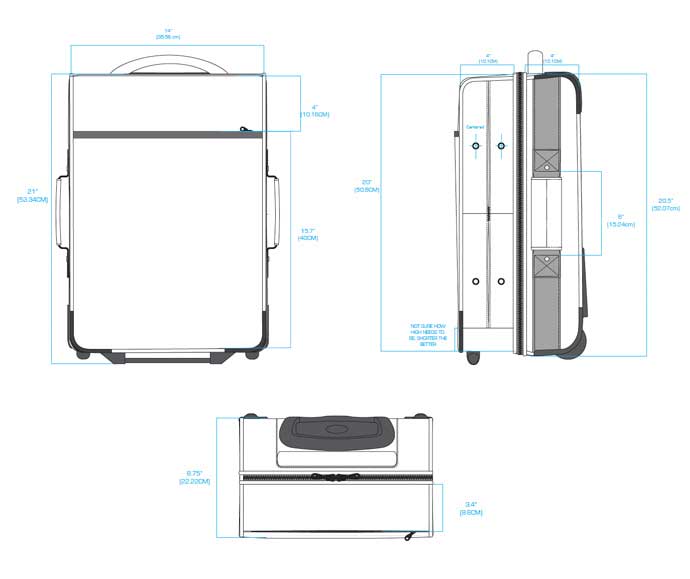
Approach
3. Integration with Wheeled Hardware
The product required alignment between soft goods and mechanical components.
We developed:
- Clean integration between textile body and wheel system
- Reinforced mounting zones
- Construction logic that supports load transfer
This ensured structural integrity during use.
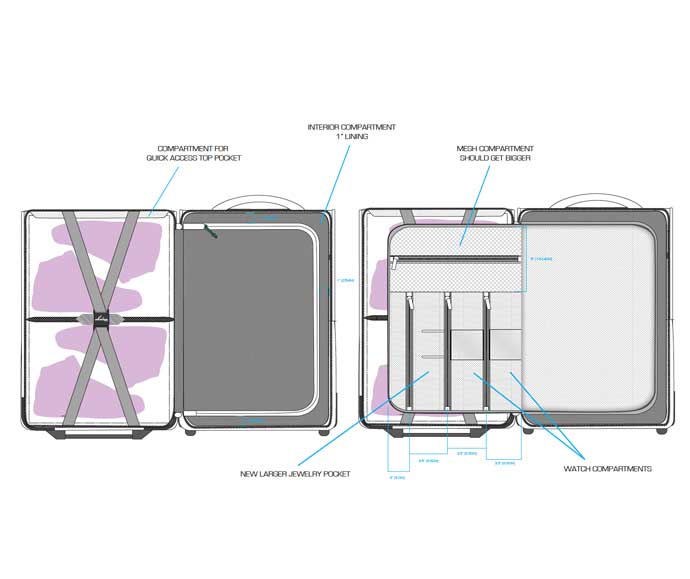
4. Internal Organization System
Usability during travel was a key consideration.
We designed:
- Logical compartment structure
- Efficient packing layout
- Clear separation of contents
The goal was reducing friction during use — not adding features.
5. Design for Manufacturing (DFM)
The product was engineered for scalable production.
This included:
- Rationalizing construction methods
- Aligning with factory capabilities
- Reducing unnecessary complexity
- Ensuring repeatability
Travel products must maintain consistency across high volumes.
Where Most Teams Get This Wrong
Soft goods luggage often fails due to:
- Over-reliance on structure without considering weight
- Poor reinforcement at high-wear areas
- Weak integration between textile and hardware systems
- Designs that degrade quickly under real travel conditions
These issues typically appear after launch — when failure is most costly.
Outcome
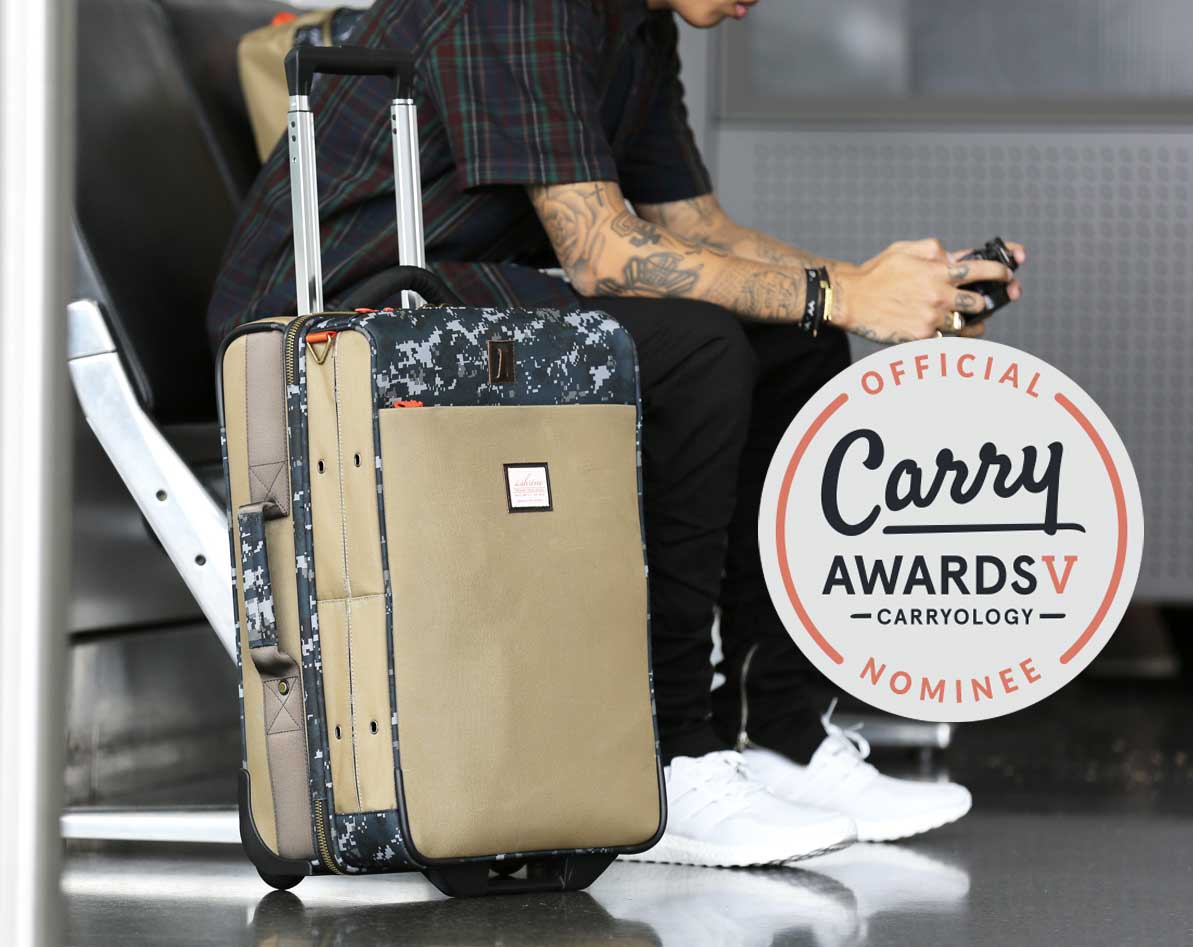
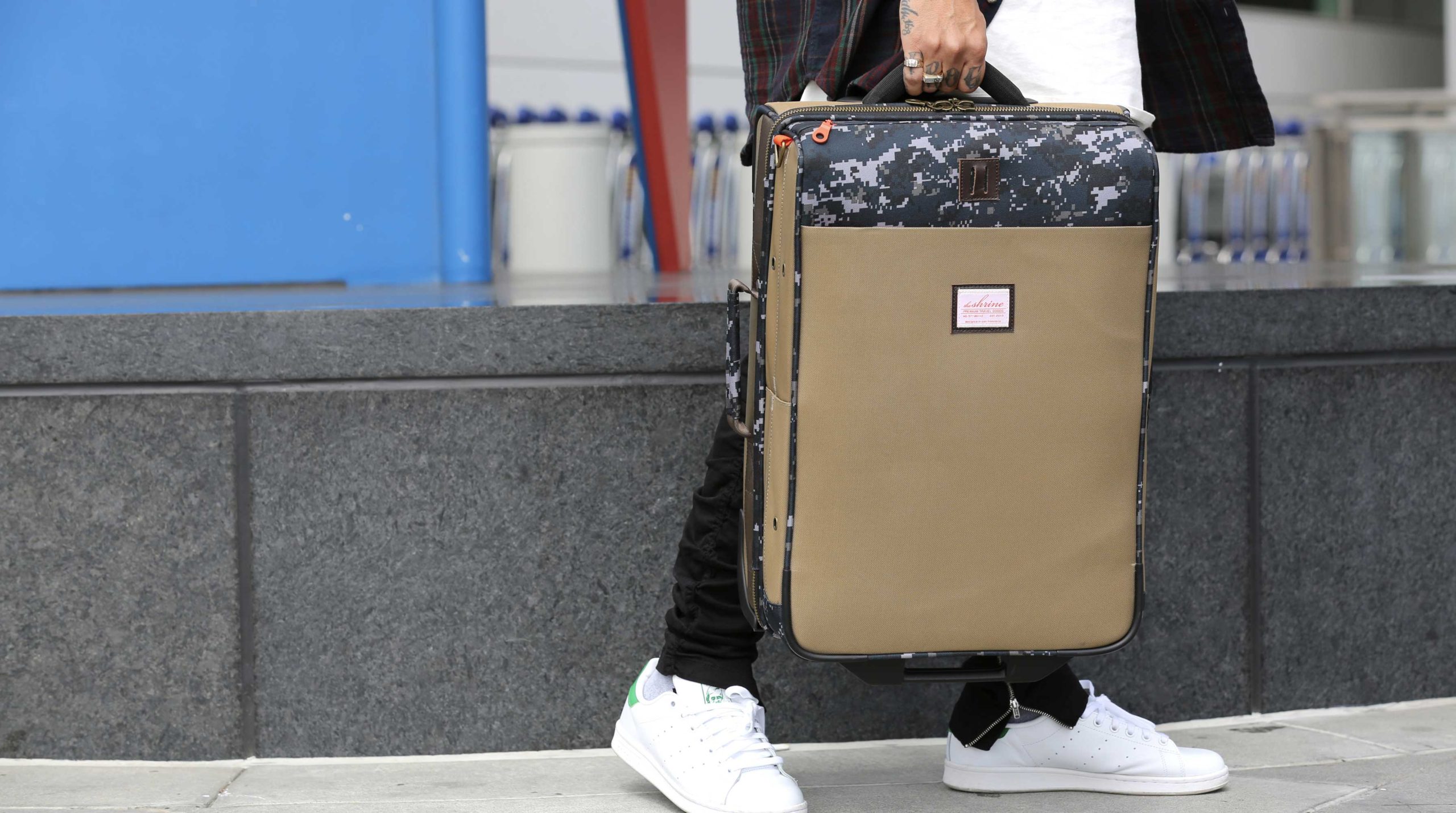
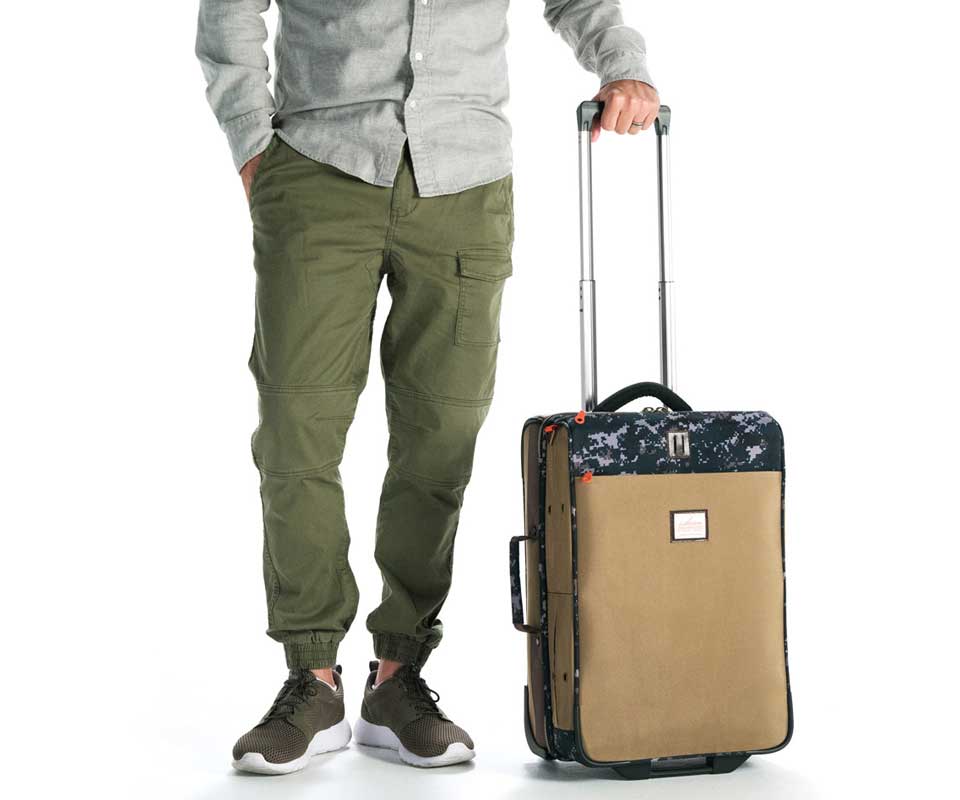
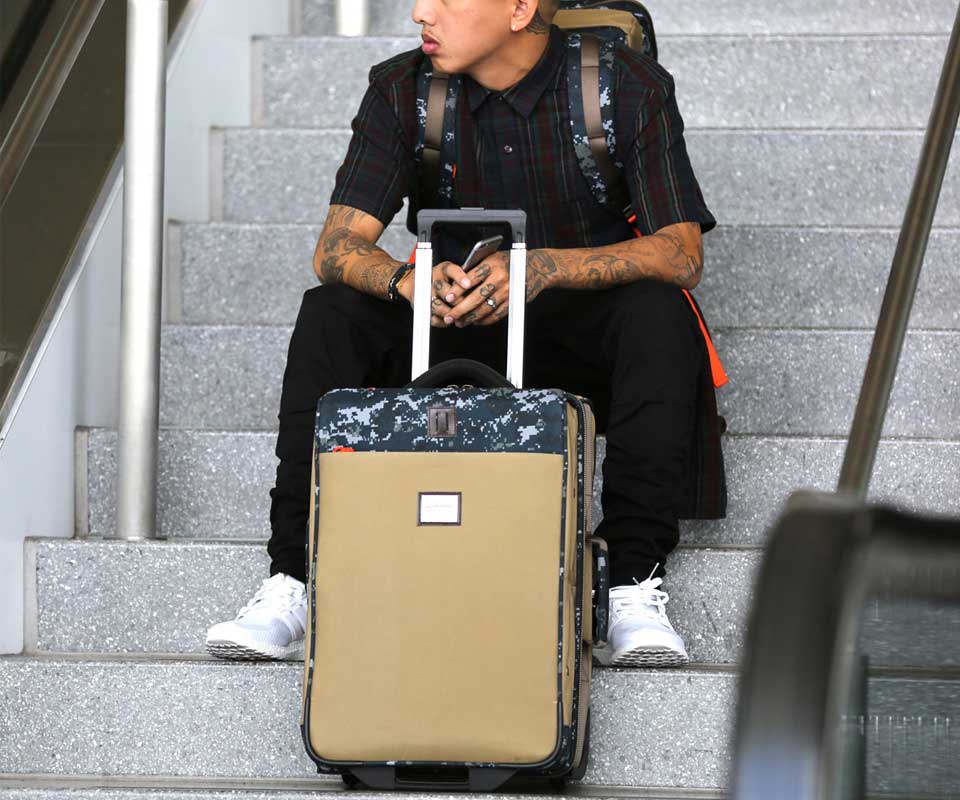
The Shrine Wheeled Luggage Case delivers:
- A durable, structured soft goods travel system
- Integrated performance across textile and hardware components
- Reliable construction for repeated use
- A manufacturable product platform