The Problem
Cold, rigid ski boots are a persistent issue for skiers. Existing solutions often rely on:
- External heaters
- Separate warming systems
- Non-integrated approaches that add friction to the user experience
The opportunity was to create a fully integrated system that:
- Keeps boots warm during transport
- Maintains usability in harsh conditions
- Integrates heating elements into a soft goods structure
- Remains manufacturable and durable
This introduced significant complexity:
- Integrating electronics into textile construction
- Managing heat safely within a soft goods system
- Maintaining durability under travel conditions
- Designing for scalable production
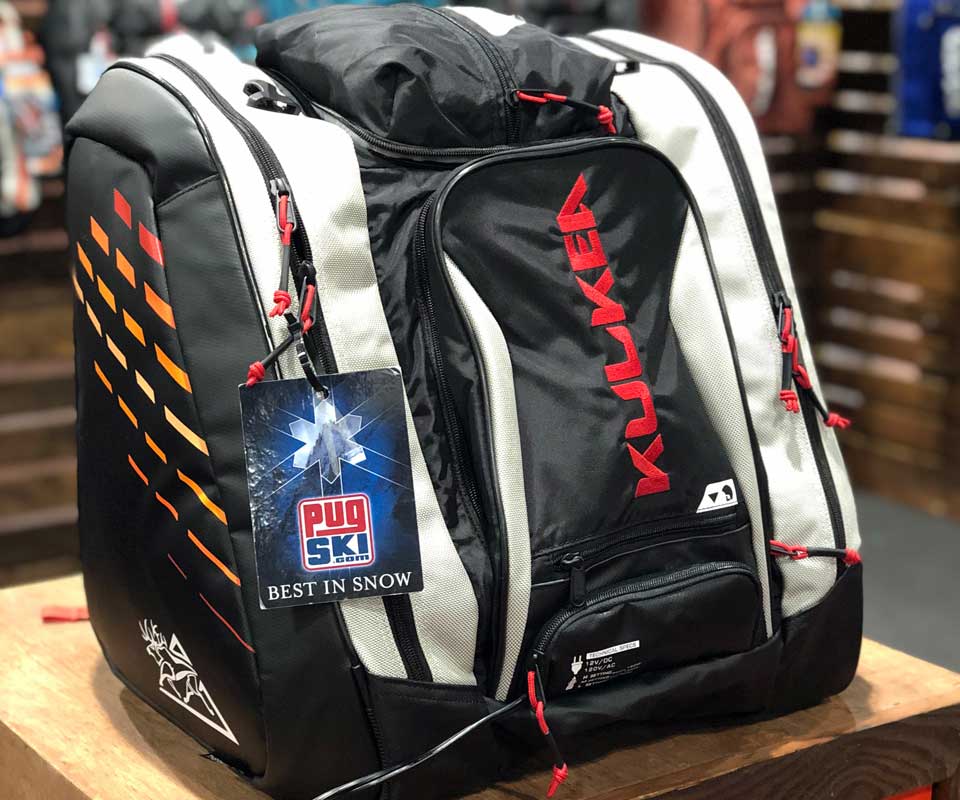
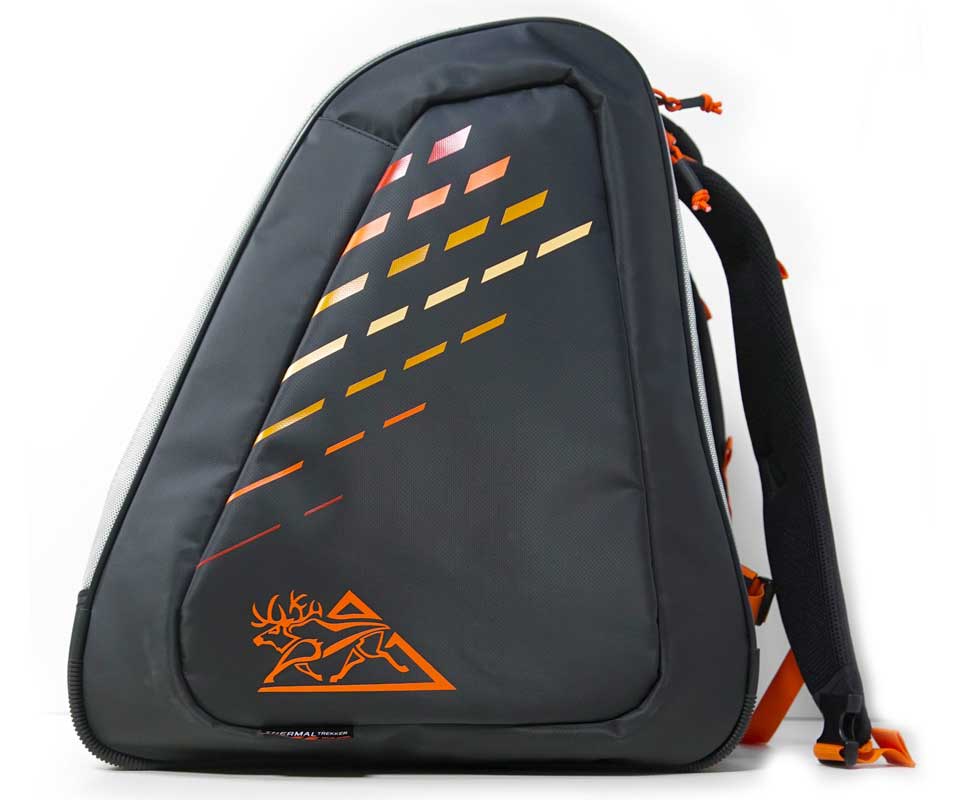
Our Role
Studio FAR led the development of the product as a soft goods + electronics integrated system, including:
- Soft goods construction and system architecture
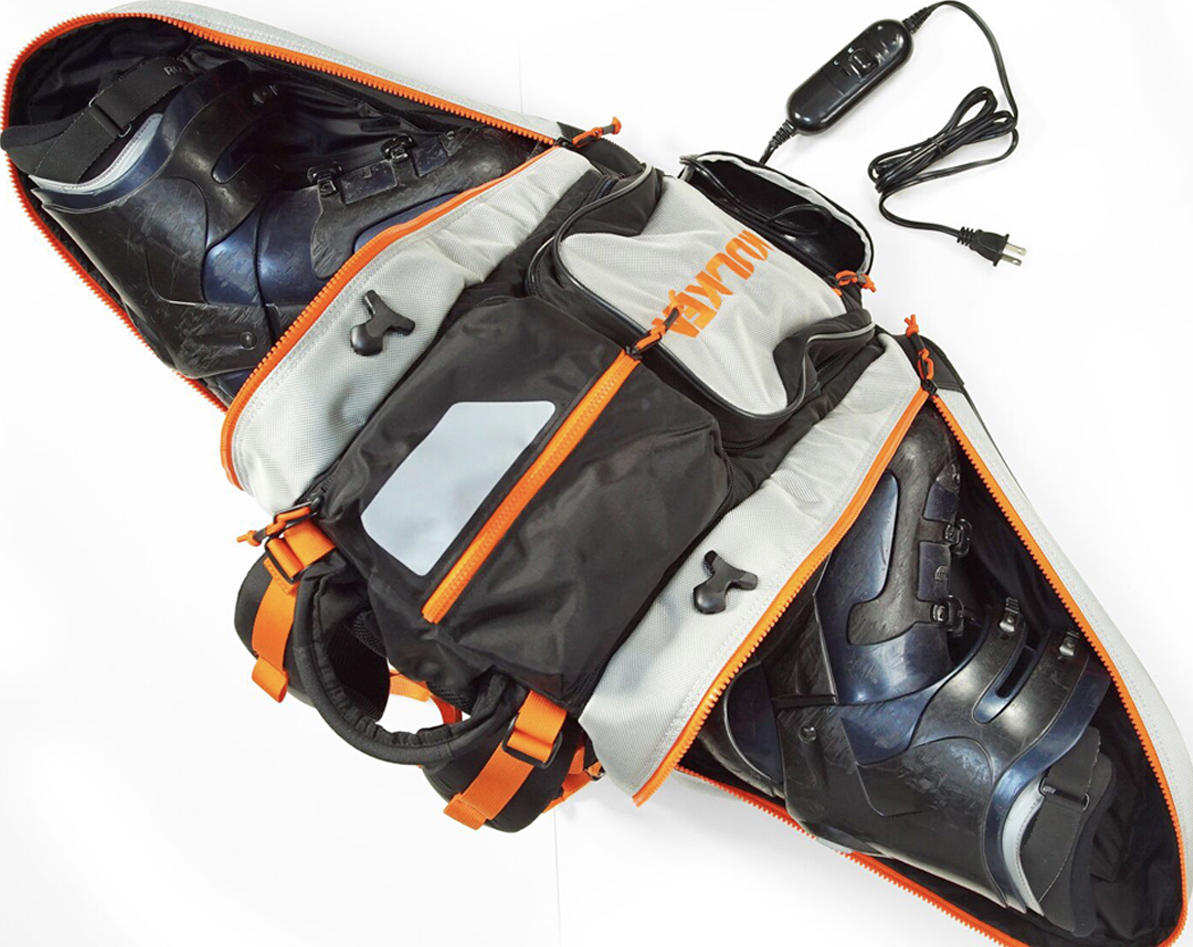
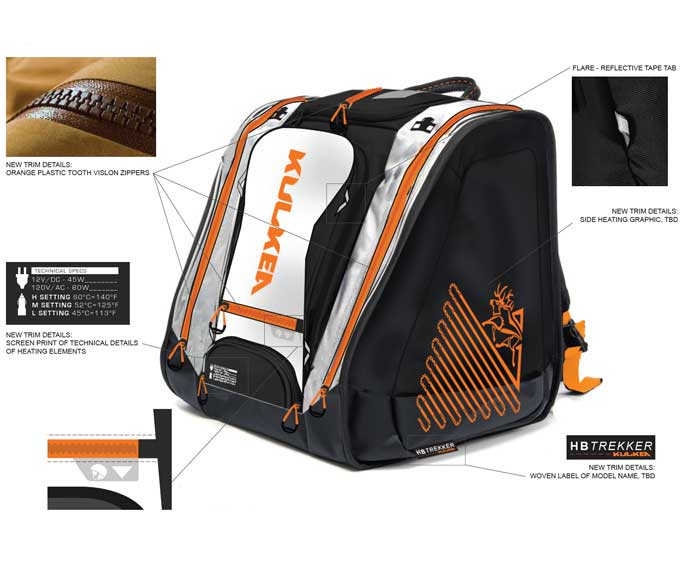
- Integration of heating elements into the product
- Material strategy for insulation and durability
- Ergonomic and functional layout design
- Design for manufacturing (DFM)
- Development of a patentable product concept
The focus was not just execution — but creating a differentiated, protectable product.
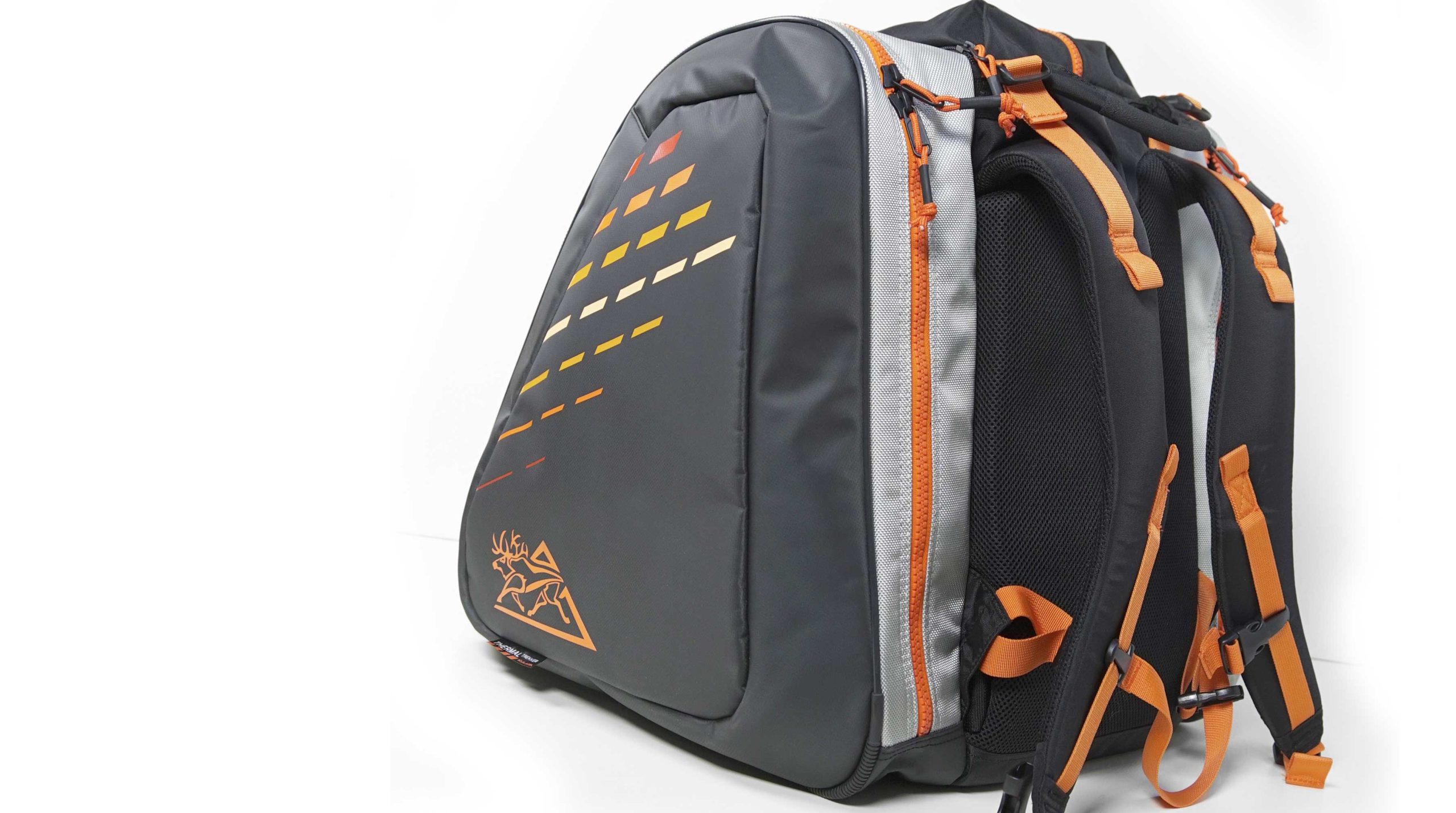
Approach
1. Integrated Heating System
Rather than treating heating as an add-on, the product was designed around it.
We developed:
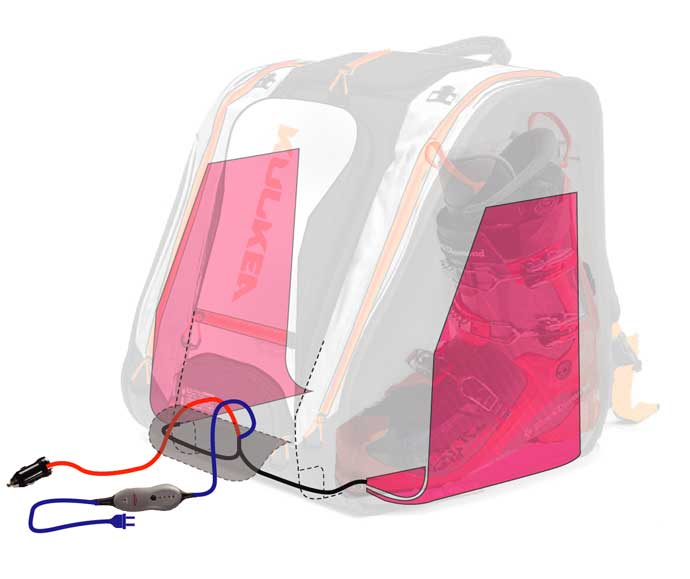
- A system for embedding heating elements within the bag
- Safe and effective heat distribution
- Integration that does not compromise usability
2. Thermal & Material Strategy
Material selection was critical to performance.
We balanced:
- Insulation properties
- Durability in cold environments
- Compatibility with heating elements
- Manufacturing feasibility
Approach
3. Product Architecture & Use Case
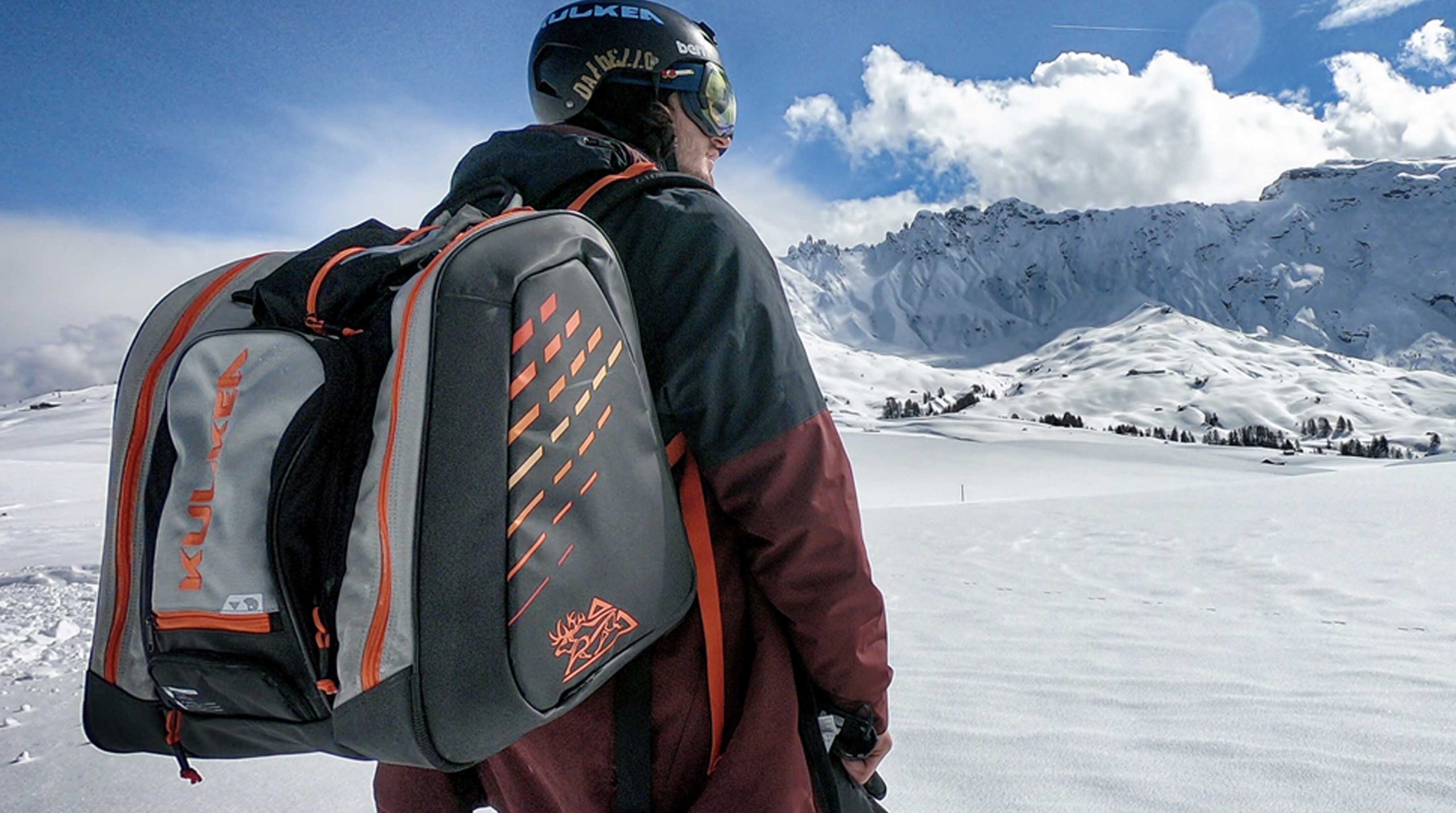
The bag was designed around real-world skier behavior.
This included:
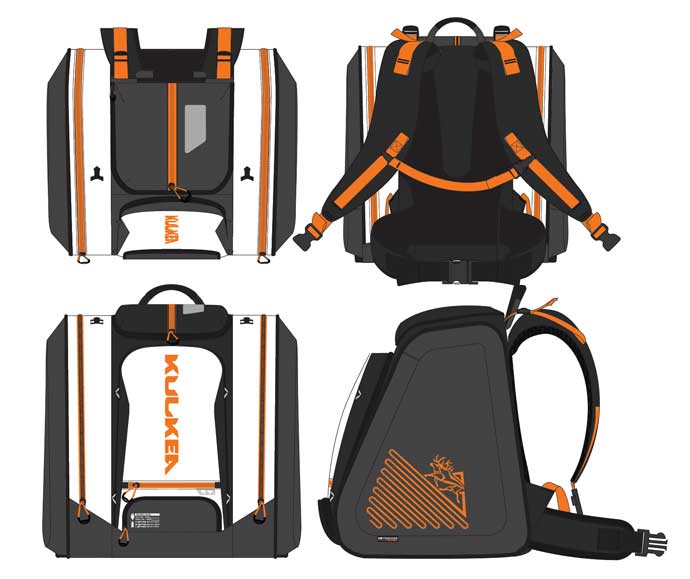
- Storage and access for boots and gear
- Portability in travel scenarios
- Ease of use in cold environments
The product needed to function in motion — not just in concept.
4. Design for Manufacturing (DFM)
The integration of heating elements introduced additional production complexity.
We aligned the design with:
- Scalable construction methods
- Repeatable integration of electronics
- Assembly processes that maintain product consistency
Result
Fernando has worked with Kulkea on the development of several products. He is an exceptional industrial designer. His knowledge of the action sport markets is second to none. His technical skills are well honed from years of experience. His ability to infuse creative designs into the development of marketable products is exemplary. Fernando is a highly valued member of the research and development team at Kulkea.