When soft goods intersect with electronics or health, “cute” stops mattering and engineering starts.
There’s a moment in soft goods development when the rules change.
A bag can be stylish.
A wearable can be minimal.
A baby product can be soft, friendly, and beautifully branded.
But the moment a product needs to integrate electronics, sensors, power systems, medical functionality, or health-related performance, soft goods stop being “just” soft goods.
They become something else.
They become smart soft goods — and smart soft goods are a different beast.
Because once soft goods intersect with electronics or health, “cute” stops mattering and engineering starts.
What Makes Smart Soft Goods Different?
Traditional soft goods development already requires a complex mix of:
- materials knowledge
- patterning
- seam logic
- reinforcement strategy
- construction sequencing
- manufacturability
But when electronics or health functionality enter the picture, the design challenge changes dramatically.
Now you’re not just designing for:
- comfort
- appearance
- storage
- ergonomics
You’re also designing for:
- component integration
- cable management
- power access
- thermal behavior
- moisture protection
- user safety
- washability
- regulatory risk
- reliability over time
At that point, the product is no longer just a sewn object.
It is a hybrid system.
Examples of Smart Soft Goods
Smart soft goods show up in more categories than most people realize.
Examples include:
- heated wearables
- red light therapy garments
- sensor-enabled rehabilitation products
- posture-correction wearables
- battery-integrated bags
- wearable tech harnesses
- baby products with monitoring functions
- medical braces with embedded systems
- soft robotic covers and sleeves
What these products share is the need to balance soft goods design, technical development, and systems thinking.
That balance is difficult.
Because electronics want structure.
Textiles want flexibility.
Users want comfort.
Factories want repeatability.
And all four have to work together.
Where Smart Soft Goods Projects Break Down
This is where many projects start looking good… and then fall apart.
A founder may have:
- an AI rendering
- a hard-good device concept
- a textile idea
- a rough prototype
- a patent concept
But the real challenge isn’t the idea.
It’s integration.
Common failure points include:
1. Electronics are added too late
The garment or bag is designed first, and the electronics are “inserted” later. That usually creates awkward bulk, poor cable routing, bad weight distribution, and stress points.
2. Comfort is sacrificed for function
The product technically works, but nobody wants to wear it. Components dig in, heat builds up, and movement becomes restricted.
3. Washability and serviceability are ignored
Can the user remove the electronics? Can the textile component be cleaned? Can the product be repaired?
4. Construction becomes too complex to scale
A prototype may be hand-built successfully, but factory production falls apart because the assembly sequence is unrealistic.
This is where DFM for soft goods becomes critical.
Smart Soft Goods Require Systems Thinking
The biggest mistake people make is treating smart soft goods like a styling problem.
They’re not.
They’re a systems problem.
A successful smart soft goods product must coordinate:
- industrial design
- soft goods design
- electrical integration
- user comfort
- material performance
- assembly logic
- factory capabilities
This is why these products need more than a typical industrial design pass.
They require technical soft goods development — the ability to think across both the textile and electronics layers at the same time.
For example:
- Where does the battery sit relative to the body?
- How does a seam affect wire routing?
- What material protects a sensor while maintaining flexibility?
- How does a fastener or opening affect user access and assembly time?
These are not styling questions.
They are engineering and product development questions.
The Role of Prototyping in Smart Soft Goods
In smart soft goods, prototyping is everything.
A rendering can suggest integration.
A prototype proves whether integration actually works.
Through soft goods prototyping, teams can test:
- fit and body interaction
- component placement
- cable or power routing
- structural support
- closure systems
- assembly and disassembly
- overall user experience
In many cases, multiple rounds of prototyping are required before the product begins to stabilize into something manufacturable.
This is normal.
Because smart soft goods are not simple products.
They are layered products with competing requirements.
That’s why prototype to production workflows need to be handled carefully.
Why Manufacturing Smart Soft Goods Is Harder Than It Looks
Factories are often comfortable with either:
- soft goods construction
or - electronics assembly
Few are strong at both.
That means development needs to be incredibly clear before handoff. Factories need:
- a realistic BOM
- clear pattern logic
- assembly sequencing
- electronics integration strategy
- testing expectations
- tolerances for placement and routing
Without this, sampling becomes chaotic and expensive.
At studioFAR, this is where the role shifts from “designer” to consultant and bridge-builder — helping founders and teams translate a smart product concept into something that factories can actually execute.
Why This Matters Now
The market is full of products trying to become more intelligent, more connected, and more health-aware.
That means more founders are entering the space with ideas that combine:
- textiles
- wearables
- hardware
- medical or wellness features
The opportunity is huge.
But so is the development risk.
Smart soft goods require deeper thinking, better integration, and more disciplined prototyping than most founders expect.
That’s why “cute” isn’t enough.
And why strong engineering has to lead the process.
Final Thought
Smart soft goods are one of the most exciting areas in product development right now.
They sit at the intersection of wearability, comfort, electronics, and human-centered design. But they also demand a level of technical rigor that goes far beyond visual design.
When soft goods intersect with electronics or health, the product stops being simple. It becomes a system — and systems need to be engineered, prototyped, and refined with care.
Because in smart soft goods, good styling may get attention.
But only real engineering gets the product launched.
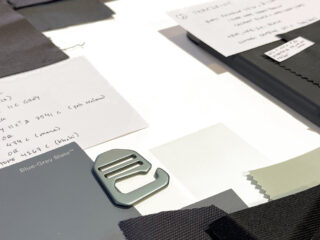
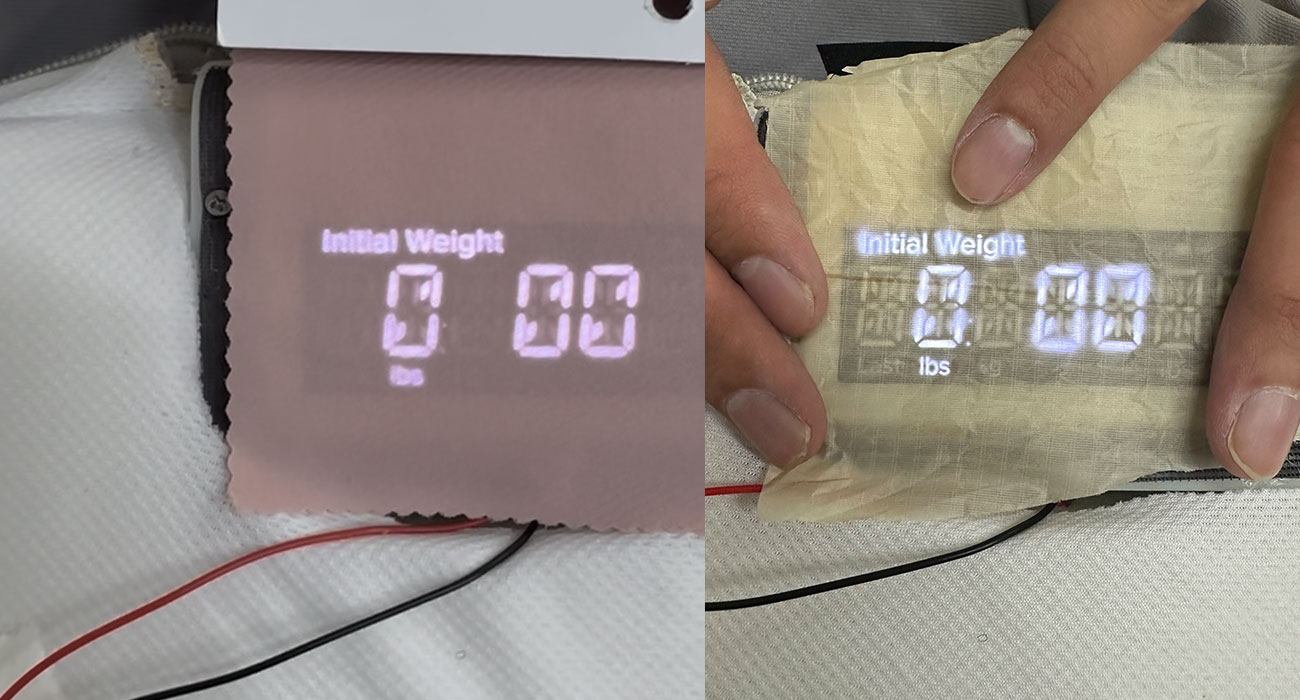
As shown below, smart soft goods require a balance of wearable comfort, electronics integration, and soft goods prototyping to move from concept to manufacturable product.