

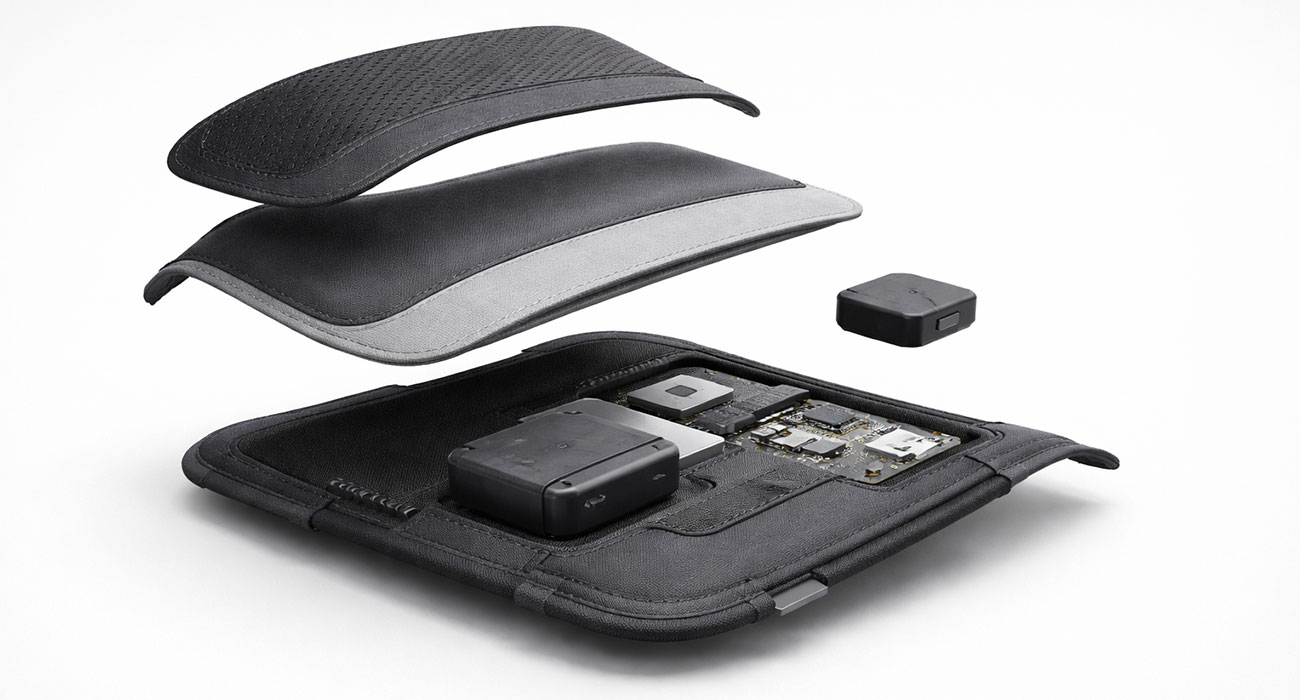
“Can you support electronics in soft goods integration?”
It’s a question I get often — especially from teams building wearable tech, smart bags, or hybrid hardware products.
The short answer is yes.
But the more important question is:
Was your product actually designed for electronics integration from the beginning?
Because this is where most teams get it wrong.
The Problem Starts Early
By the time most teams start thinking about integrating electronics into soft goods, the product is already too far along.
The concept is defined. The form is set. The materials are loosely chosen.
And then electronics are introduced as an addition — not as part of the system.
That’s when problems begin.
You start seeing:
- Awkward cable routing
- Bulky or uncomfortable components
- Compromised durability
- Manufacturing complexity
- Rising costs
At that point, you’re not designing a product anymore. You’re trying to retrofit one.
Soft Goods + Electronics Is a System Problem
Integrating electronics into soft goods is not a feature. It’s a system.
You’re balancing:
- Flexible materials
- Rigid components
- Power requirements
- User interaction
- Durability under movement
- Manufacturability
Each decision affects the others.
For example, a battery placement decision impacts: weight distribution, comfort, structure, internal construction, and the assembly process.
A fabric decision impacts: heat dissipation, protection, cable routing, and long-term wear.
This is why treating electronics as an “add-on” almost always fails.
What Teams Get Wrong Early
1. Treating Electronics as Secondary
Most teams prioritize form, aesthetics, and basic function — then try to “fit in” electronics later. This leads to forced layouts, inefficient internal structures, and a compromised user experience.
Electronics should be considered at the same level as structure and materials.
2. Ignoring Internal Architecture
Soft goods products are often judged externally — silhouette, materials, visual design. But with electronics, the internal architecture is everything.
You need to think about component zones, cable pathways, protection layers, and access points. Without this, the product becomes messy quickly.
3. Underestimating Movement and Stress
Unlike hard goods, soft goods flex, compress, and stretch. Electronics don’t. That mismatch creates failure points: cable fatigue, connector stress, and internal shifting.
If you don’t design for movement early, you’ll see failures in testing or real-world use.
4. Overlooking Manufacturing Reality
A design might look clean in CAD — but can it be built efficiently? Questions that often get ignored: How are components assembled into the product? Can factories repeat this consistently? Does it increase labor time significantly?
Poor integration leads to higher costs, inconsistent builds, and delays in production.
5. Delaying Compliance Thinking
For products involving batteries, electronics, and wearables, there are additional considerations around safety, heat, durability, and regulatory requirements. If these aren’t considered early, they create major issues later.
What Good Integration Looks Like
When electronics integration is done correctly, it feels invisible. The product looks clean, feels natural to use, performs reliably, and scales into production.
Behind that simplicity is clear internal architecture, a defined material strategy, thoughtful construction, and alignment with manufacturing.
The Right Way to Approach It
The key is simple: design the product as a system from day one.
That means:
- Defining how electronics live inside the product early
- Aligning materials and structure around those components
- Considering movement, durability, and user interaction
- Thinking about manufacturing from the start
This doesn’t slow the process down. It prevents expensive rework later.
Where Most Teams Realize This
In most cases, teams realize these issues during first prototype, early sampling, or factory feedback. That’s when things don’t fit, costs increase, and revisions multiply. At that point, changes are more expensive and time-consuming.
Final Thought
Soft goods integration with electronics is not about adding components. It’s about building a product where everything works together — materials, structure, and technology.
The earlier that thinking starts, the better the outcome.

Leave a Reply