

The Problem
Helping Transform a Concept into a Manufacturable Consumer Product:
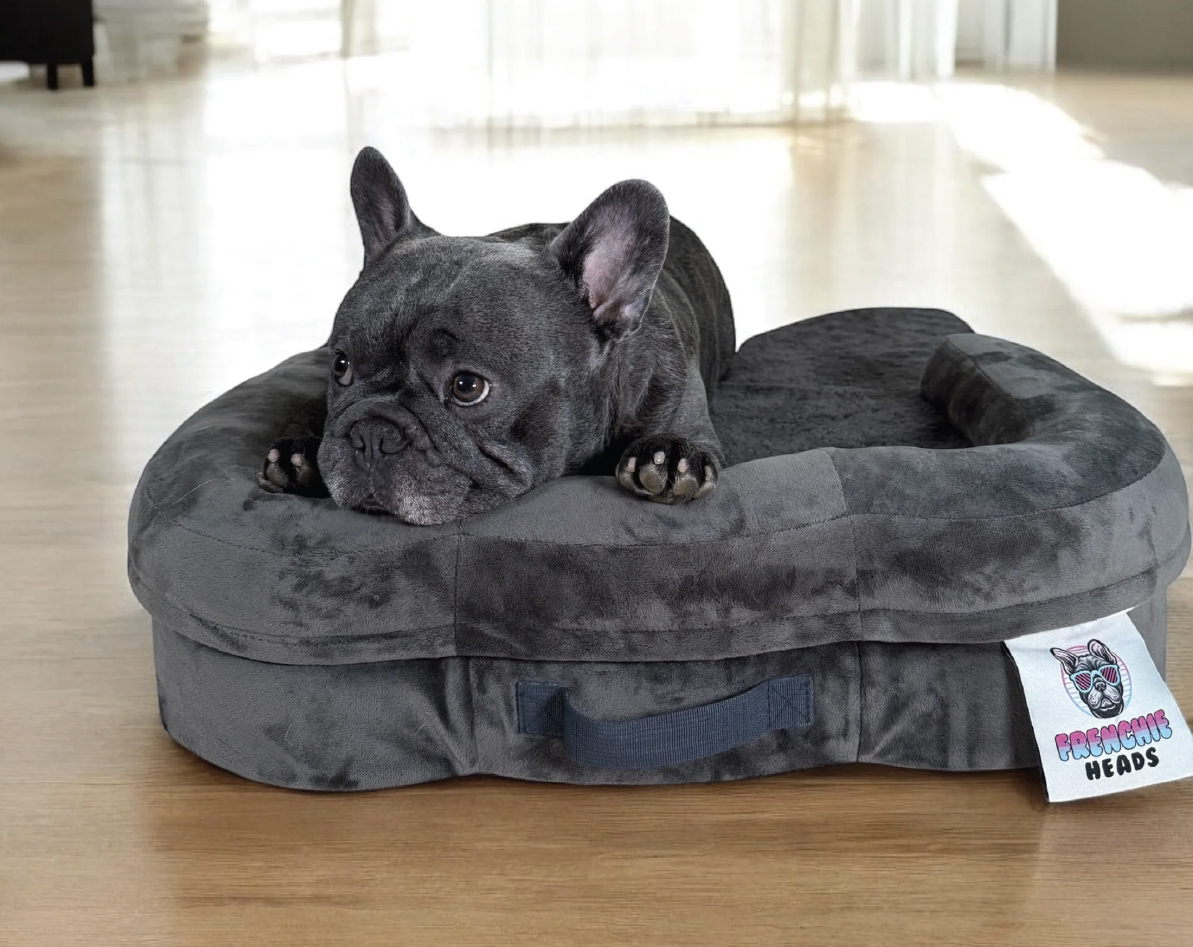
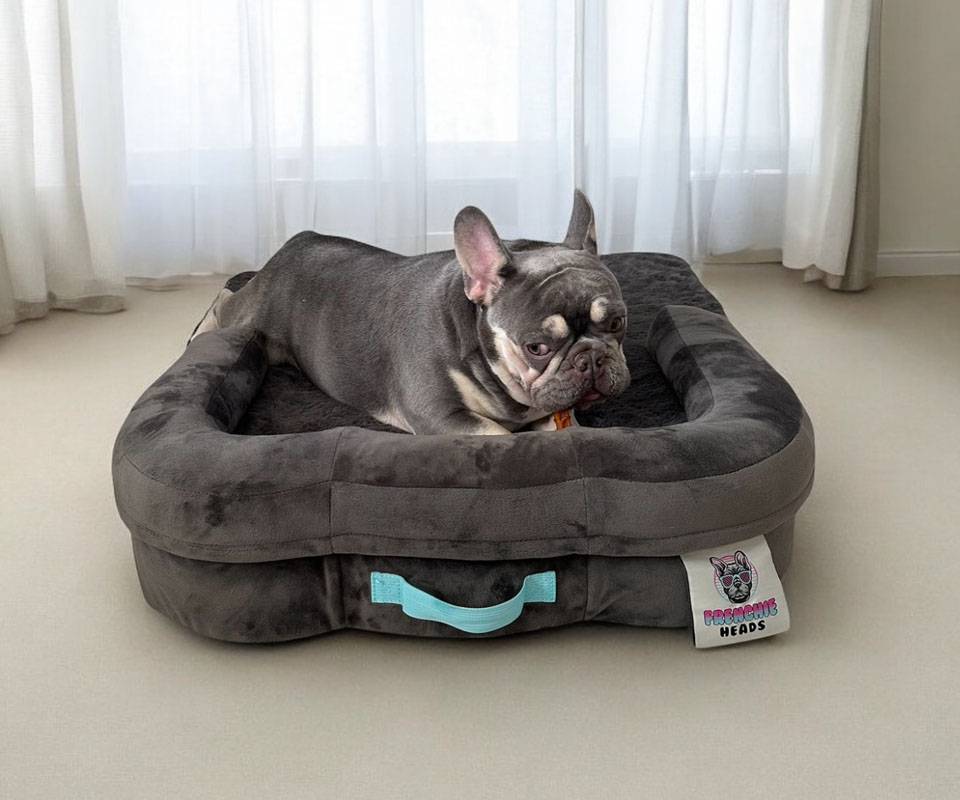
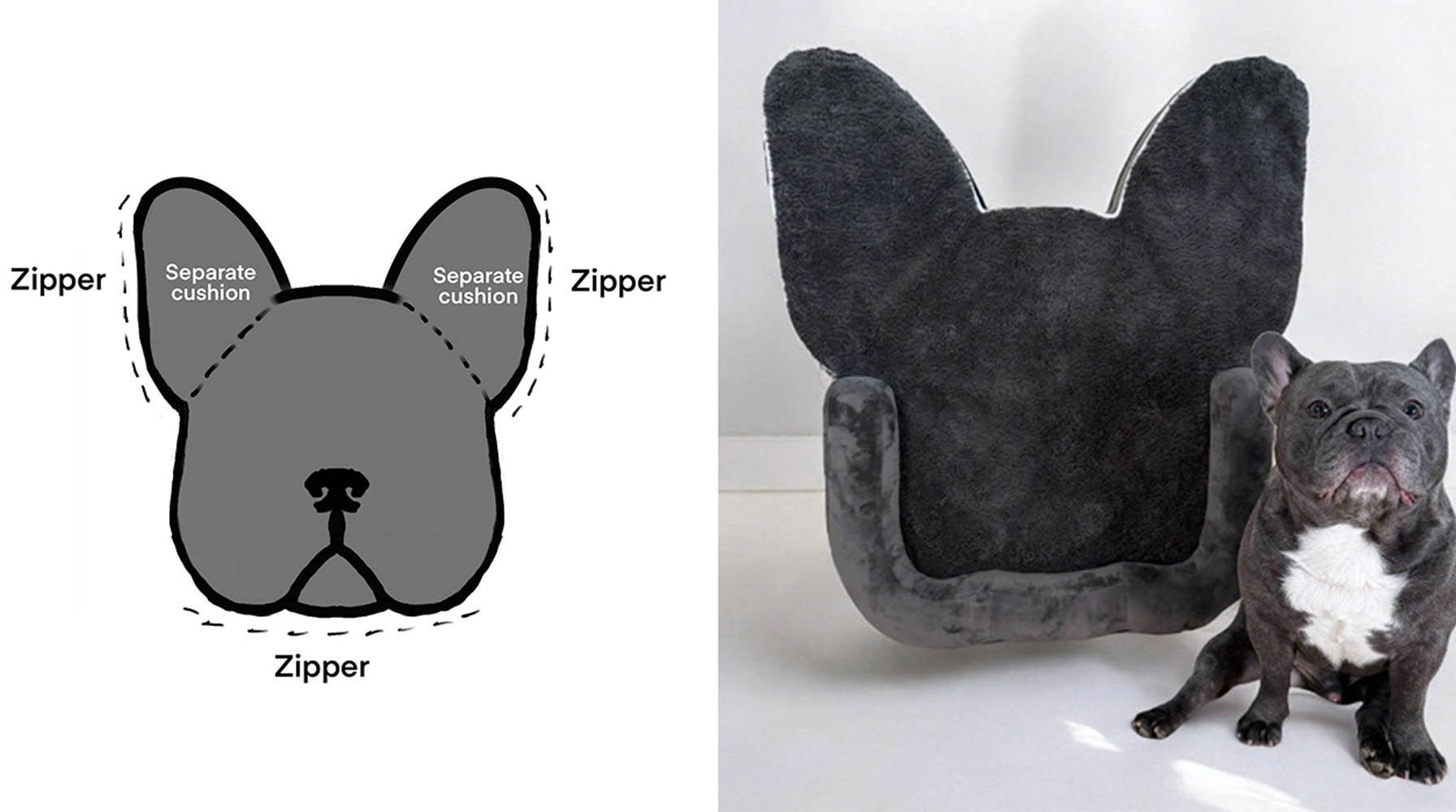
The client arrived with a drawing and a vision: a dog bed that reflected the character of a French Bulldog while addressing the breed’s particular resting and comfort needs.
Turning that illustration into a functional product required resolving several connected challenges:
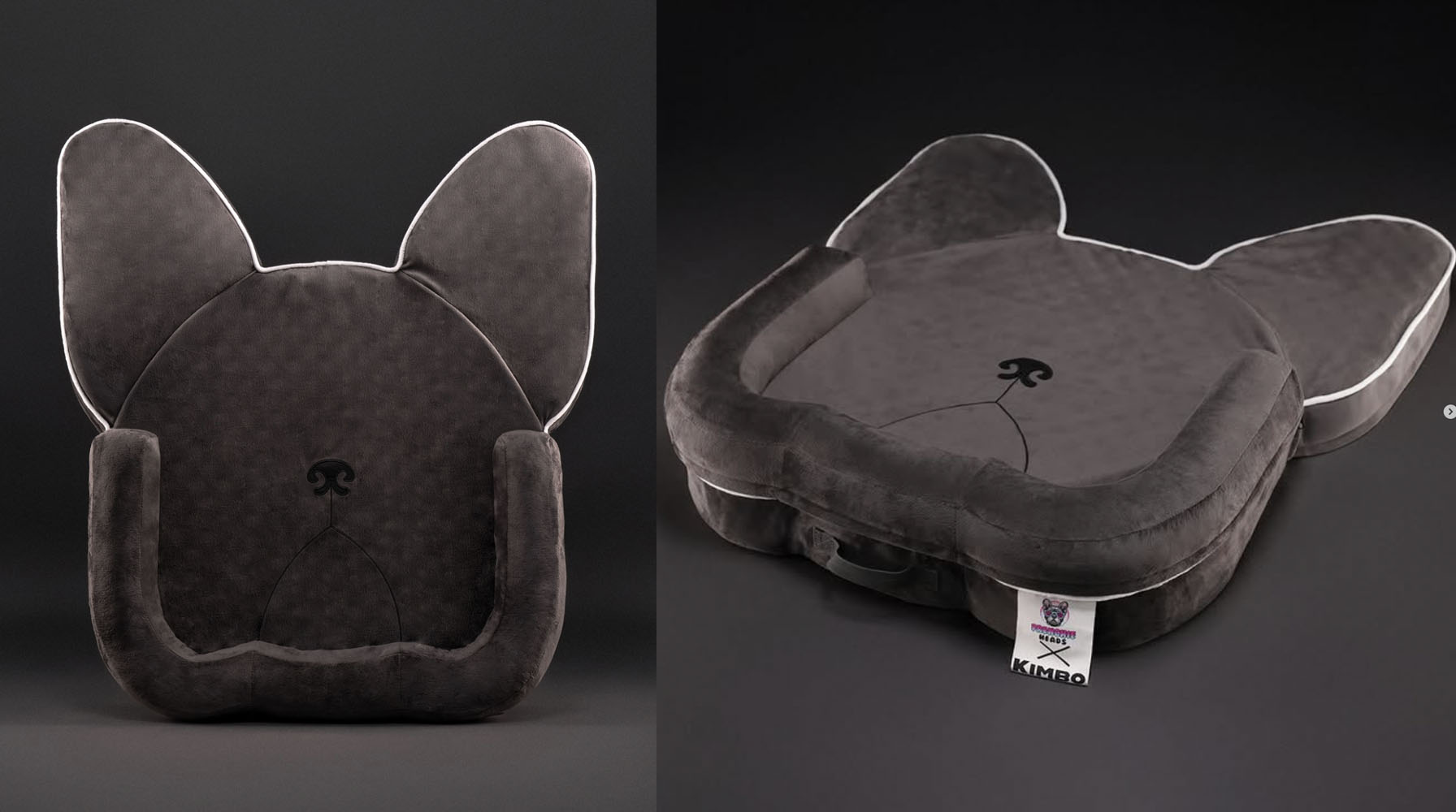
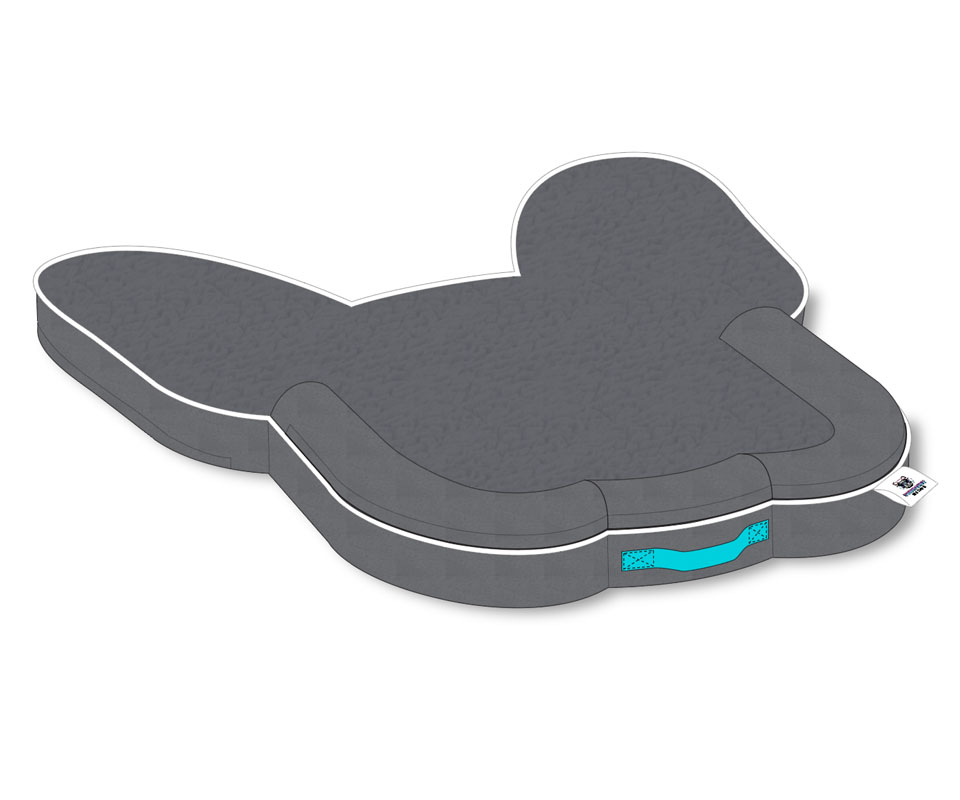
- Translating the Frenchie-head shape and ears into a three-dimensional bed.
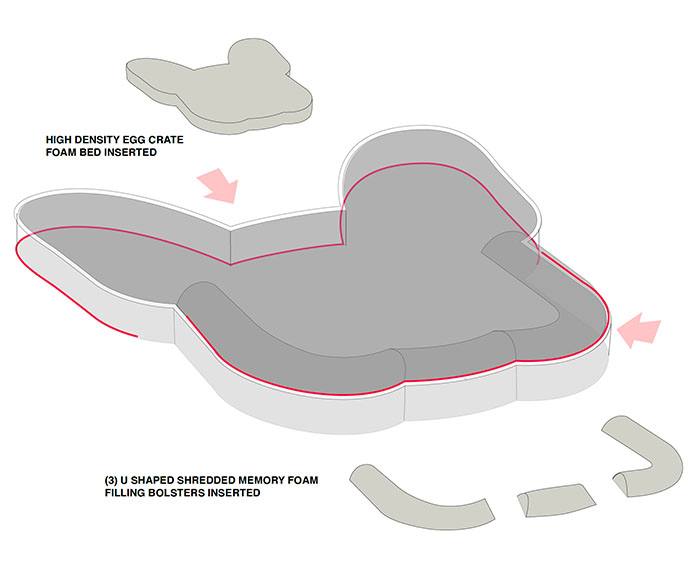
- Developing the foam construction and selecting foam appropriate for the intended support.
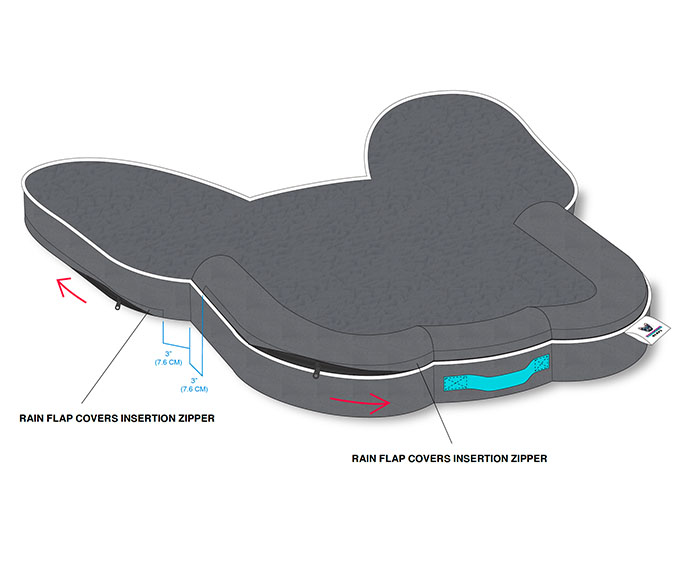
- Creating a removable, washable cover that accommodated the distinctive shape.
- Finding a manufacturer capable of producing the finished design.
Our Role
studioFAR led the product’s design and development, including:
- Three-dimensional form and soft goods construction development.
- Foam selection and support geometry.
- Removable cover design.
- Manufacturer sourcing and coordination.
- Development support through production and delivery.
The engagement extended from the original concept to finished inventory delivered to the client.
Development Support
studioFAR worked closely with the founder throughout the development process to help bridge the gap between concept and manufacturing.
Responsibilities included:
Design for Manufacturing (DFM)
Reviewing the original concept and identifying opportunities to improve manufacturability, consistency, and production readiness.
Prototype Development
Supporting multiple rounds of sampling and refinement to validate comfort, fit, material behavior, and overall product performance.
Manufacturing Partner Identification
Identifying and coordinating with an overseas manufacturing partner capable of executing the product’s specialized construction requirements.
Development Coordination
Working directly with the factory to review construction methods, resolve development challenges, and guide the product toward production readiness.
Approach
1. Translating the Drawing into a Functional Form
The Frenchie-head silhouette was central to the client’s concept. Development focused on translating that recognizable outline—including the ears—into a practical bed with a usable resting area.
The overall form needed to bring together the brand’s visual identity, the dog’s comfort, and a construction that could be manufactured.
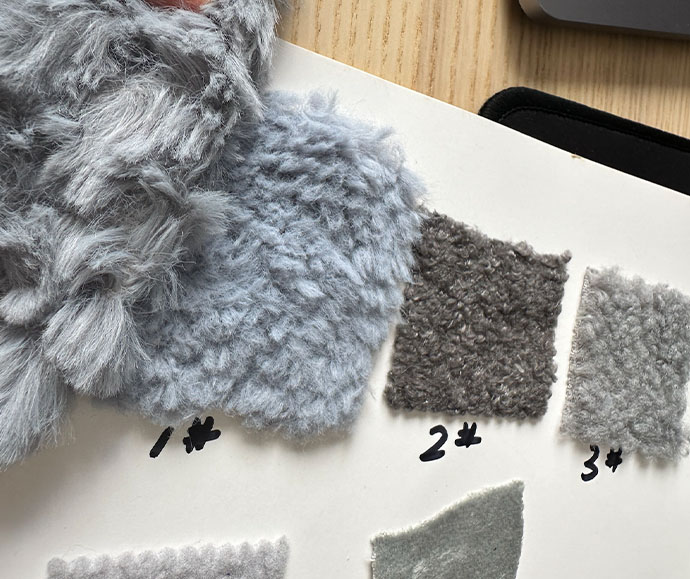
2. Developing the Foam and Cover Together
Foam type, shape, and construction were considered alongside the textile cover. The goal was to create support suited to the intended dog while retaining the bed’s distinctive profile.
The cover also needed to be removable for washing. Its fit and construction therefore had to accommodate both the shaped foam and the practical task of removing and replacing it.
3. Connecting Development with Manufacturing
studioFAR connected the client with a trusted manufacturer and supported the transition from design development into production.
Manufacturing considerations informed the product’s development, helping translate the original drawing into a repeatable construction and a finished product ready for sale.
