The Opportunity
Helping Transform a Concept into a Manufacturable Consumer Product:
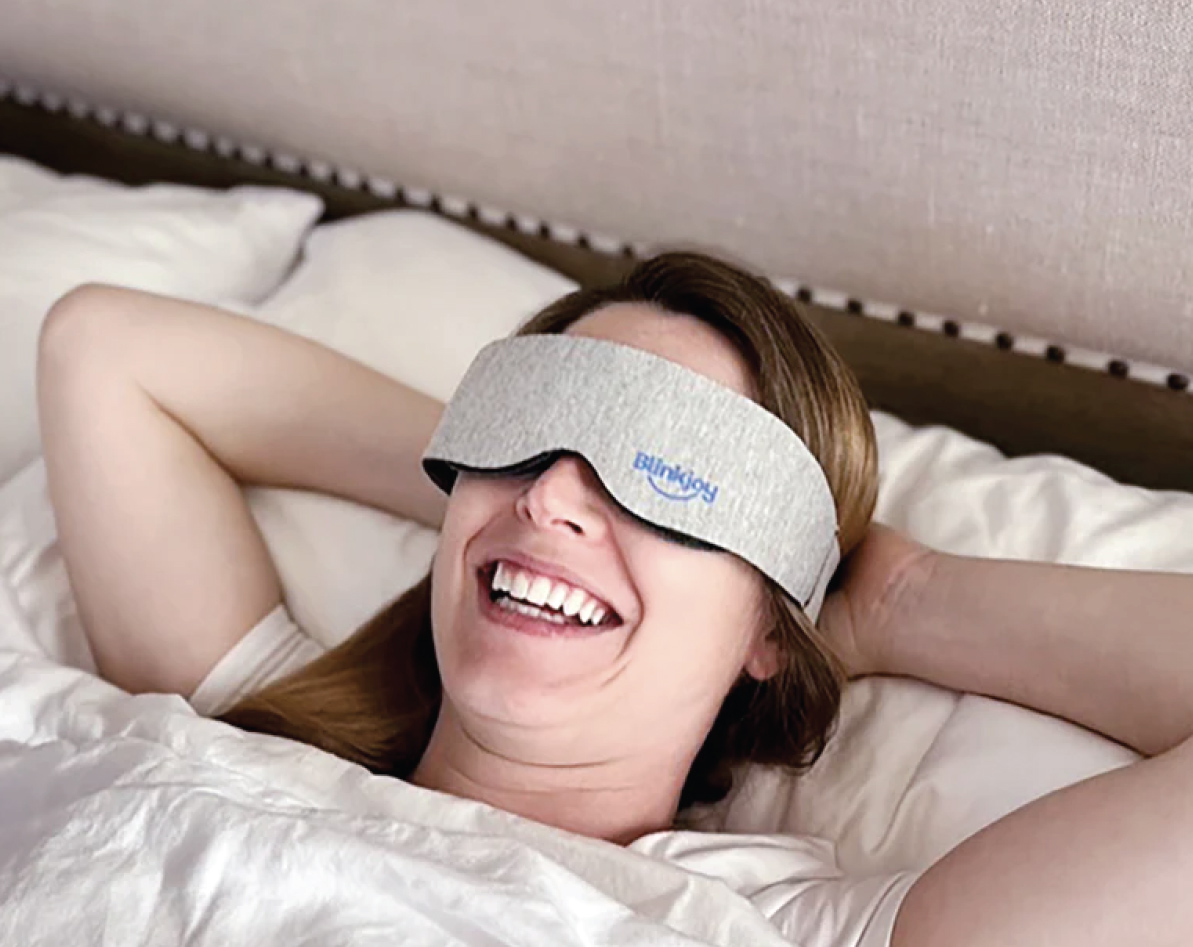
Many sleep masks on the market focus primarily on light blocking.
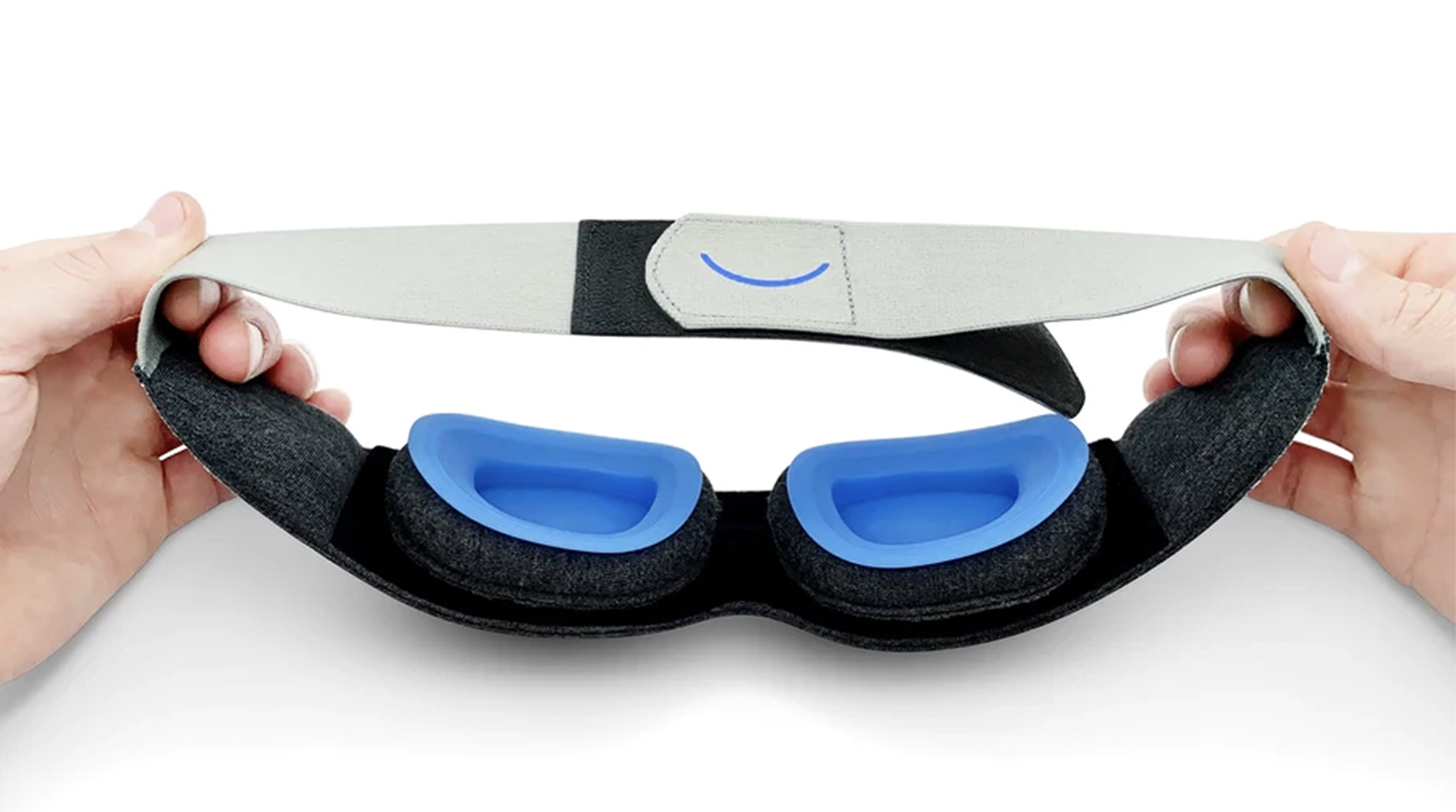
BlinkJoy sought to create a differentiated product that combined:
- Moisture retention
- Overnight comfort
- Soft skin contact surfaces
- Adjustable fit
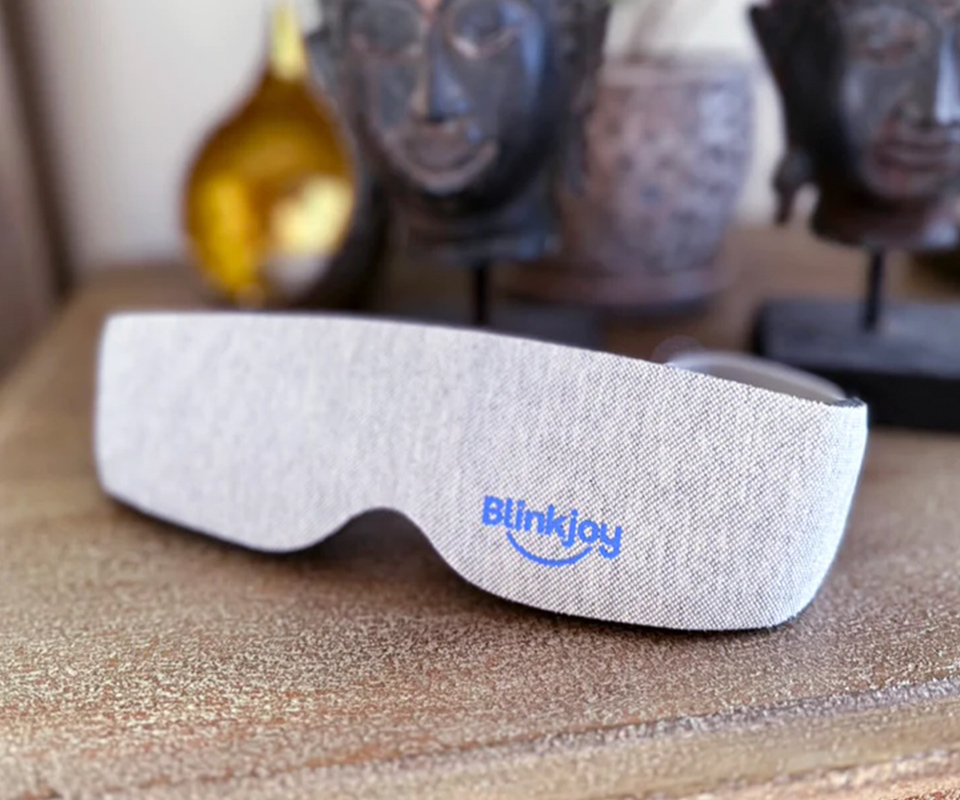
- Premium perceived quality
- Repeatable manufacturing
Achieving these goals required more than a traditional cut-and-sew approach.
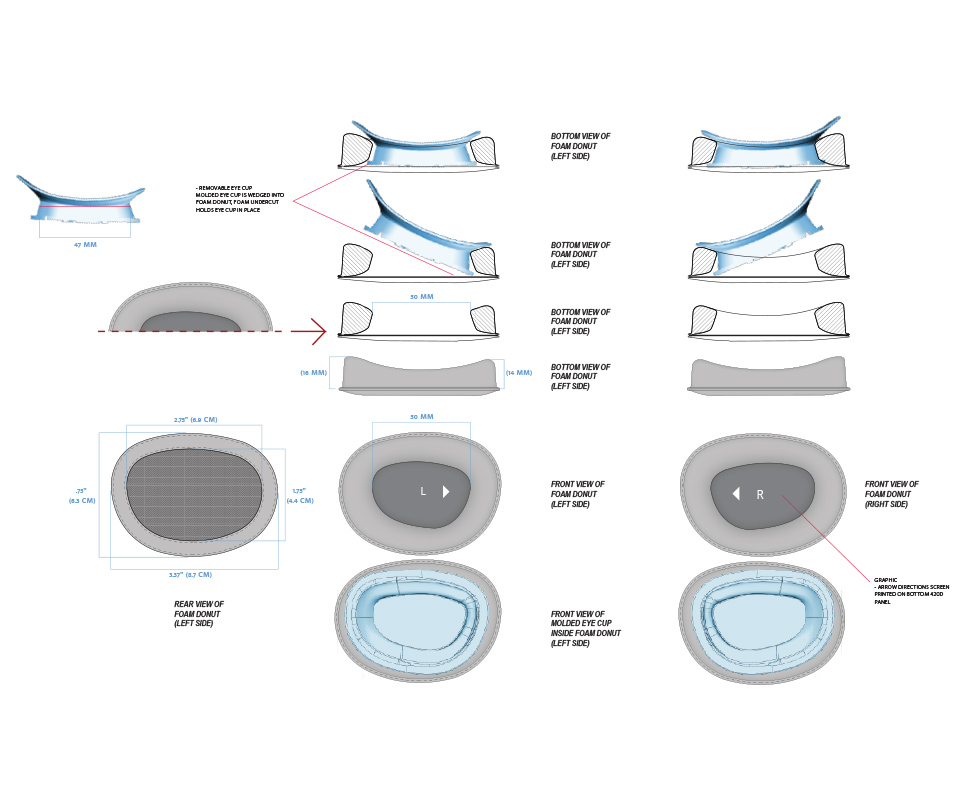
The product incorporated multiple materials, layered construction methods, and specialized manufacturing processes that needed to be validated through development and sampling.
Our Role
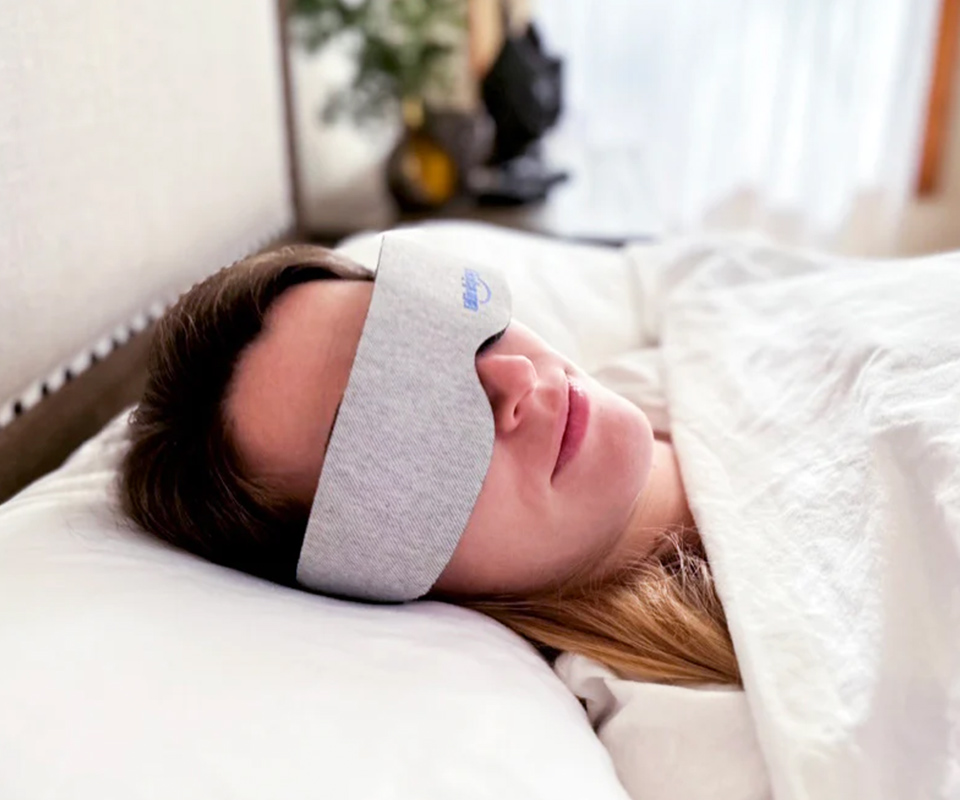
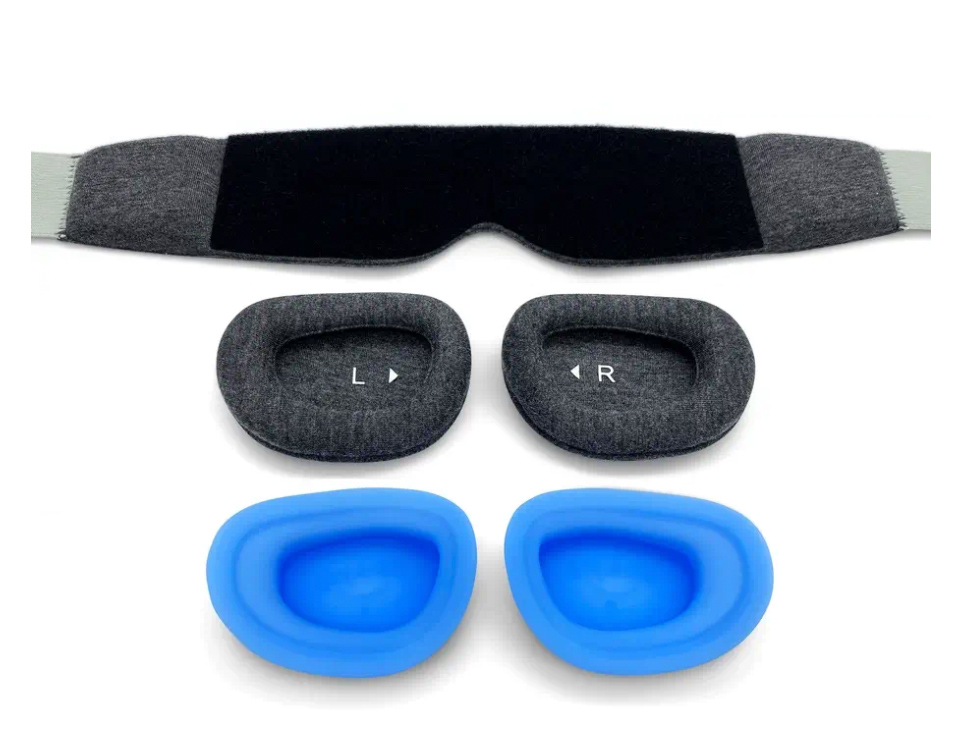
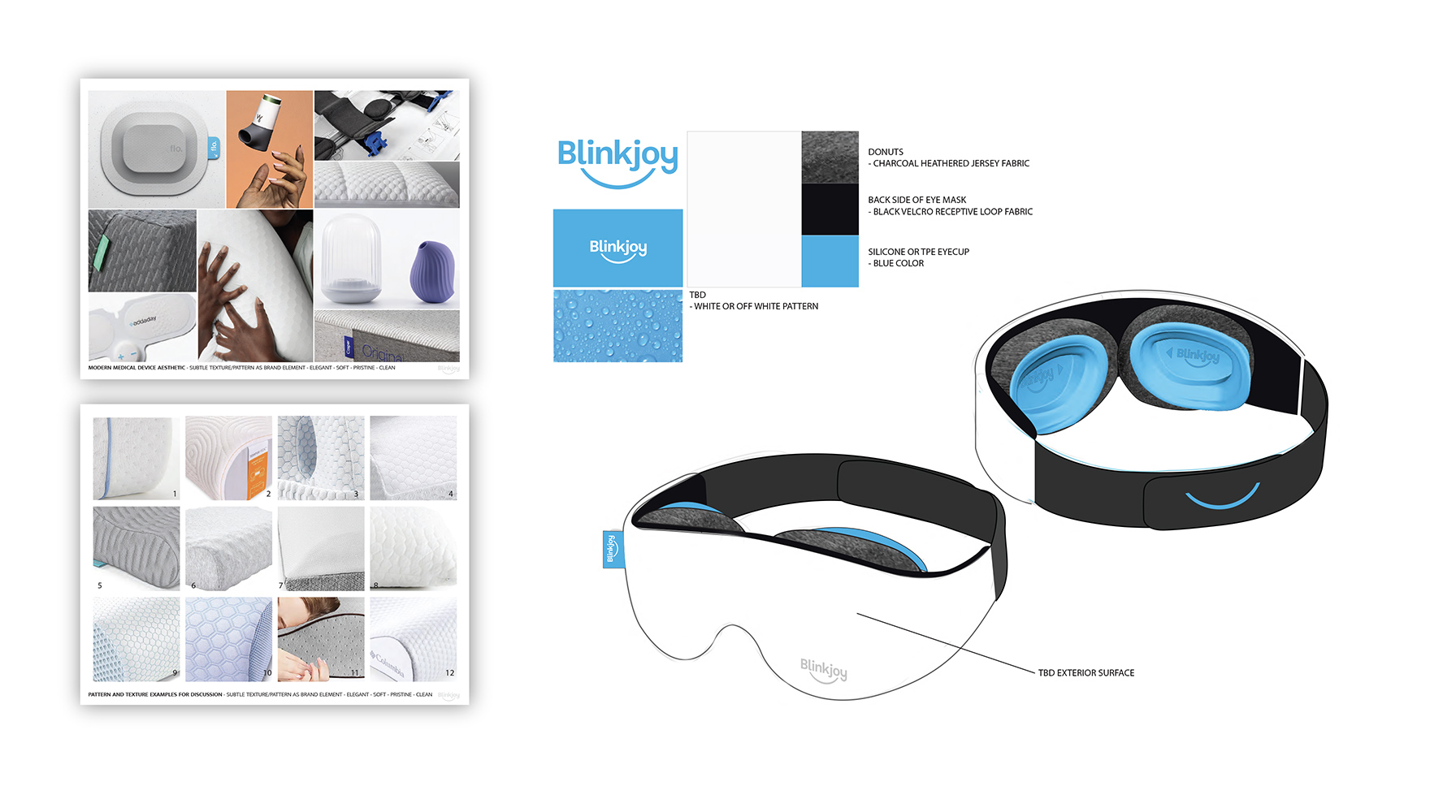
studioFAR led the wearable textile system design, including:
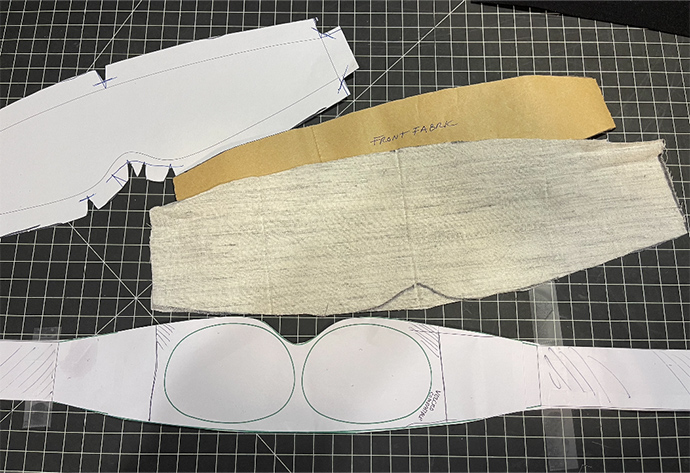
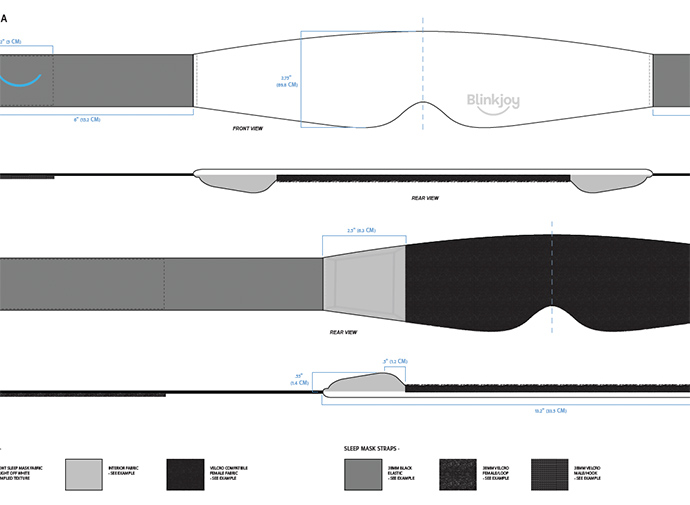
- Soft goods construction and pattern development
- Material strategy for comfort and performance
- Functional integration of protective elements
- Ergonomic design for extended wear
- Design for manufacturing (DFM) and scalability
The focus was on creating a product that worked in real-world conditions — not just conceptually.
Development Support
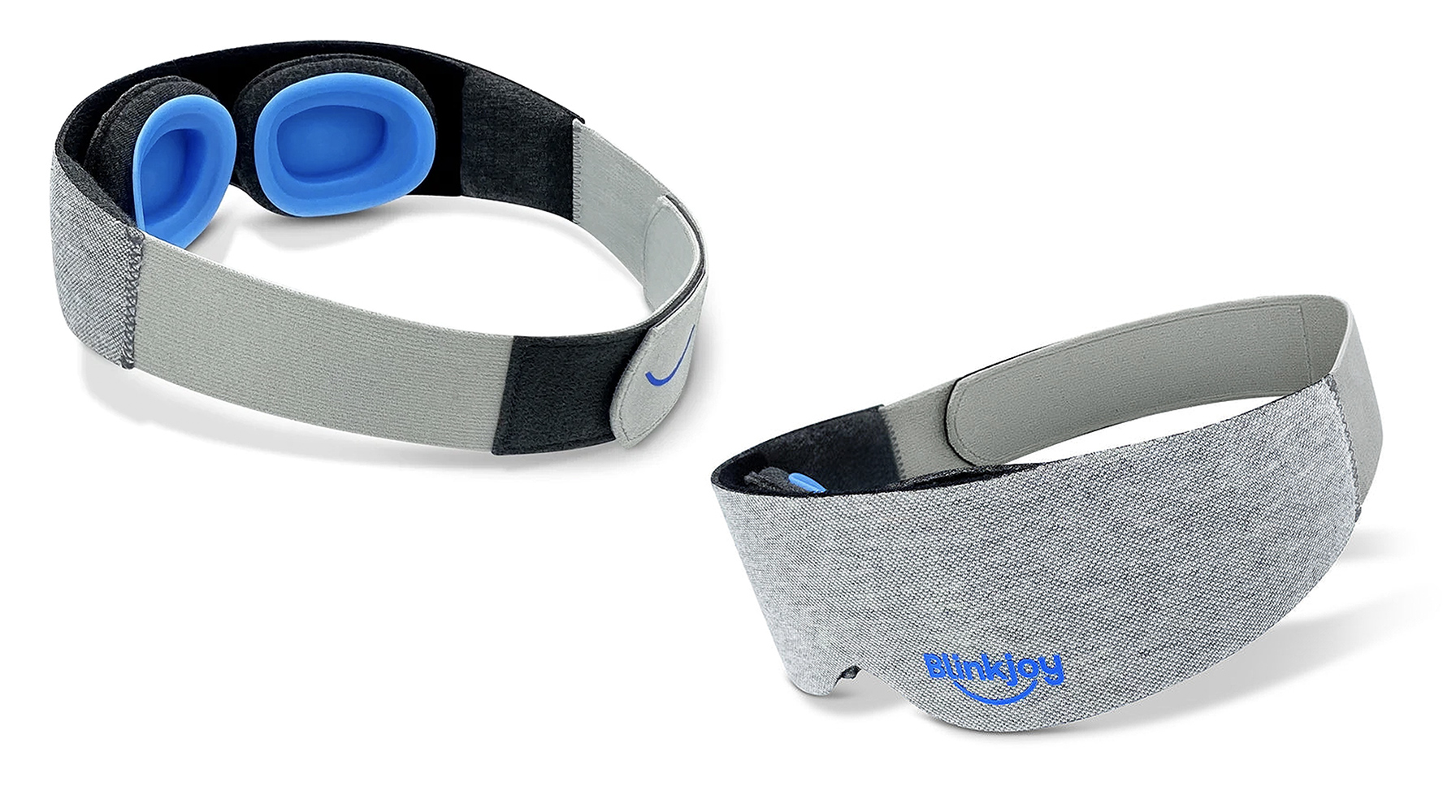
studioFAR worked closely with the founder throughout the development process to help bridge the gap between concept and manufacturing.
Responsibilities included:
Design for Manufacturing (DFM)
Reviewing the original concept and identifying opportunities to improve manufacturability, consistency, and production readiness.
Prototype Development
Supporting multiple rounds of sampling and refinement to validate comfort, fit, material behavior, and overall product performance.
Manufacturing Partner Identification
Identifying and coordinating with an overseas manufacturing partner capable of executing the product’s specialized construction requirements.
Development Coordination
Working directly with the factory to review construction methods, resolve development challenges, and guide the product toward production readiness.
Approach
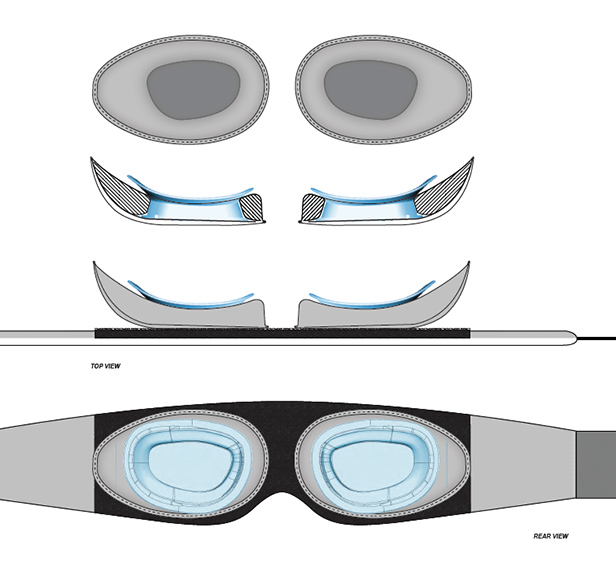
3. Ergonomics & Comfort
Extended wear introduced unique constraints.
We focused on:
- Weight distribution
- Contact points with the body
- Minimizing restriction of movement
Comfort was not secondary — it was essential to product success.
4. Design for Manufacturing (DFM)
Given the urgency of the problem, the product needed to be manufacturable quickly and reliably.
We aligned the design with:
- Available materials
- Scalable production methods
- Efficient assembly processes
If you suffer from dry eye syndrome, you can order your eyemask here: https://blinkjoy.com/products/moisture-retaining-sleep-mask
If you’re developing a wearable product where comfort, function, and manufacturability must coexist, early system-level design decisions are critical.