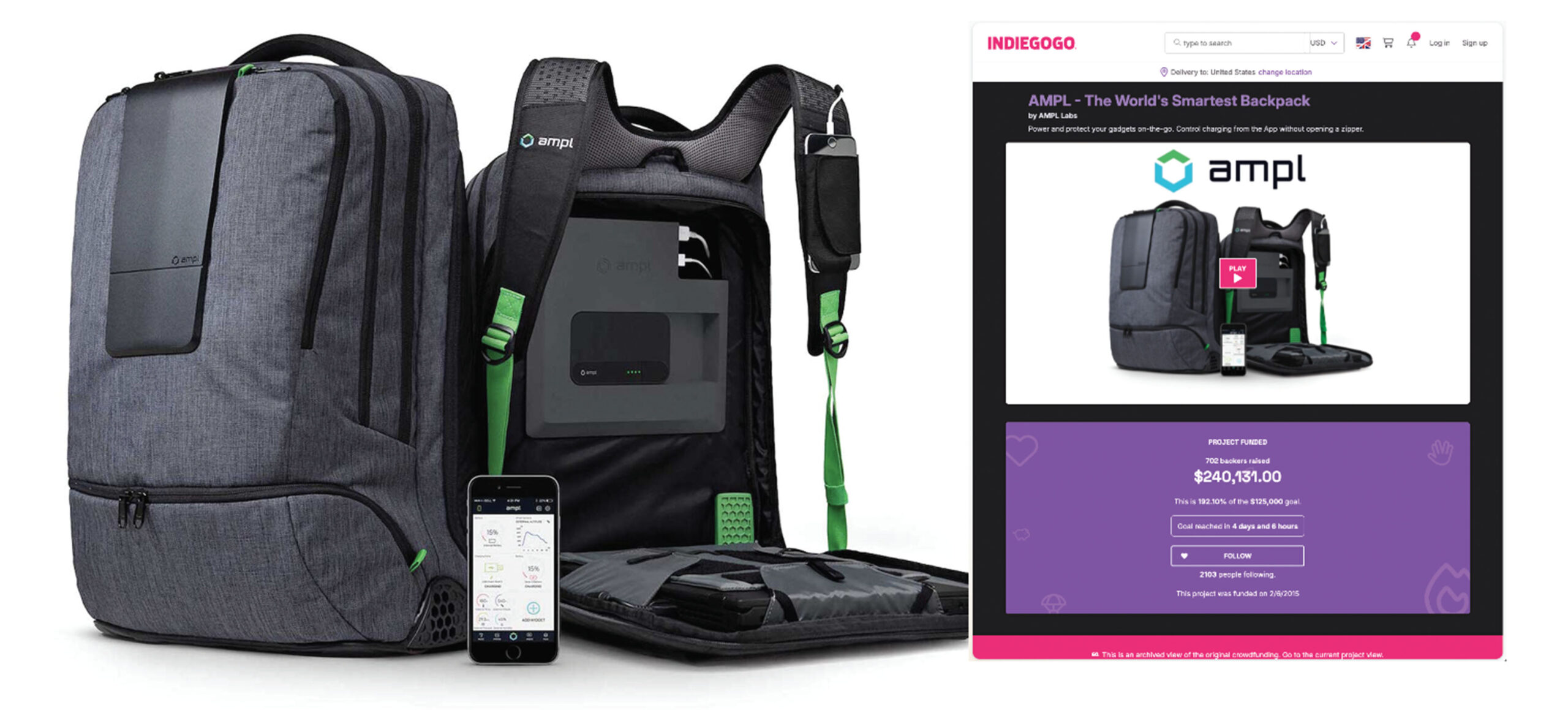
AMPL Smart Backpack Case Study: Soft Goods Design & Electronics Integration

Soft goods smart backpack design with integrated electronics

World’s First Smart Backpack with Built-In Charging System
2× CES Innovation Award Winner

This case study shows how integrating electronics into a soft goods product requires more than design — it requires system-level thinking across materials, construction, and manufacturing.
https://www.indiegogo.com/en/projects/ampllabs/ampl-the-world-s-smartest-backpack#/section/project-story

Soft goods smart backpack design with integrated electronics

PROJECT OVERVIEW

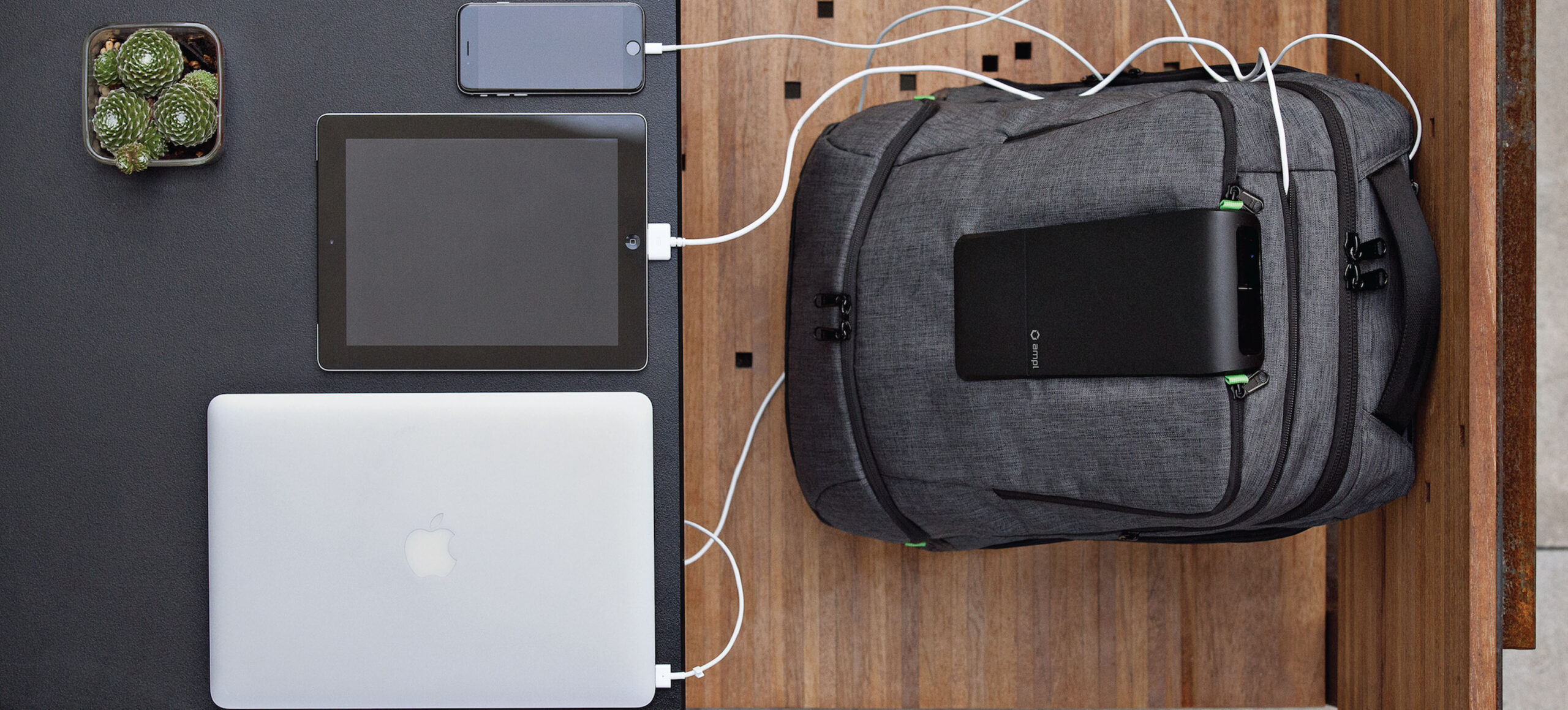
AMPL set out to create the world’s first smart backpack with integrated electronics — allowing users to charge devices on the go without external battery packs.

The challenge was to seamlessly integrate power systems into a soft goods product while maintaining usability, durability, and manufacturability.

Soft goods smart backpack design with integrated electronics

THE CHALLENGE

  • Integrate electronics into a flexible textile system
  • Maintain comfort, weight distribution, and usability
  • Protect internal components from movement and impact
  • Ensure safe, scalable manufacturing
  • Balance technical function with clean, modern design
Soft goods smart backpack design with integrated electronics

APPROACH

This project required treating the product as a system — not just a bag.

Design decisions were driven by how materials, structure, and electronics would work together in real-world use and production.

Soft goods smart backpack design with integrated electronics

DESIGN DEVELOPMENT

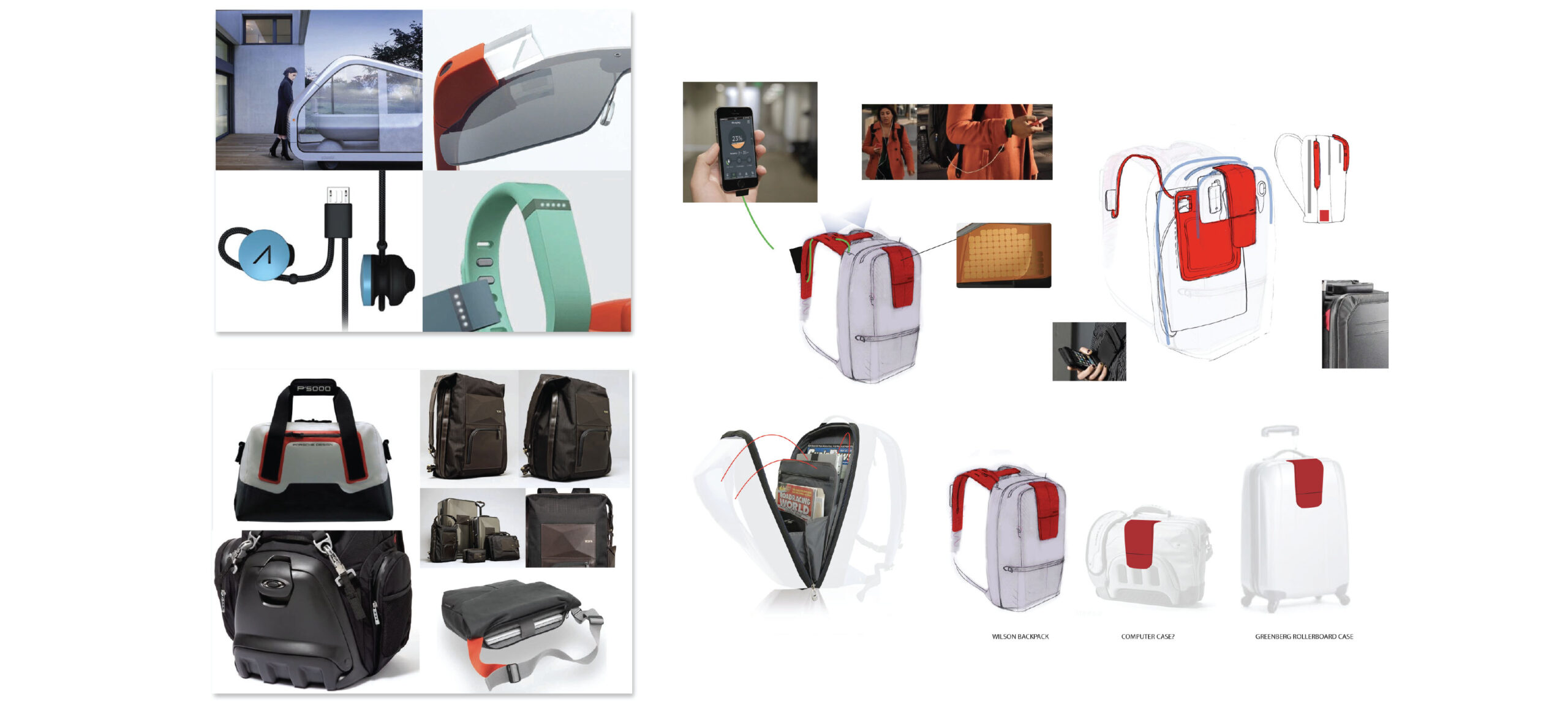
Explored multiple design directions focused on usability, access, and integration of internal components.

Refined towards a solution that balanced:

    • clean external design
    • structured internal architecture
    • intuitive user interaction
Soft goods smart backpack design with integrated electronics

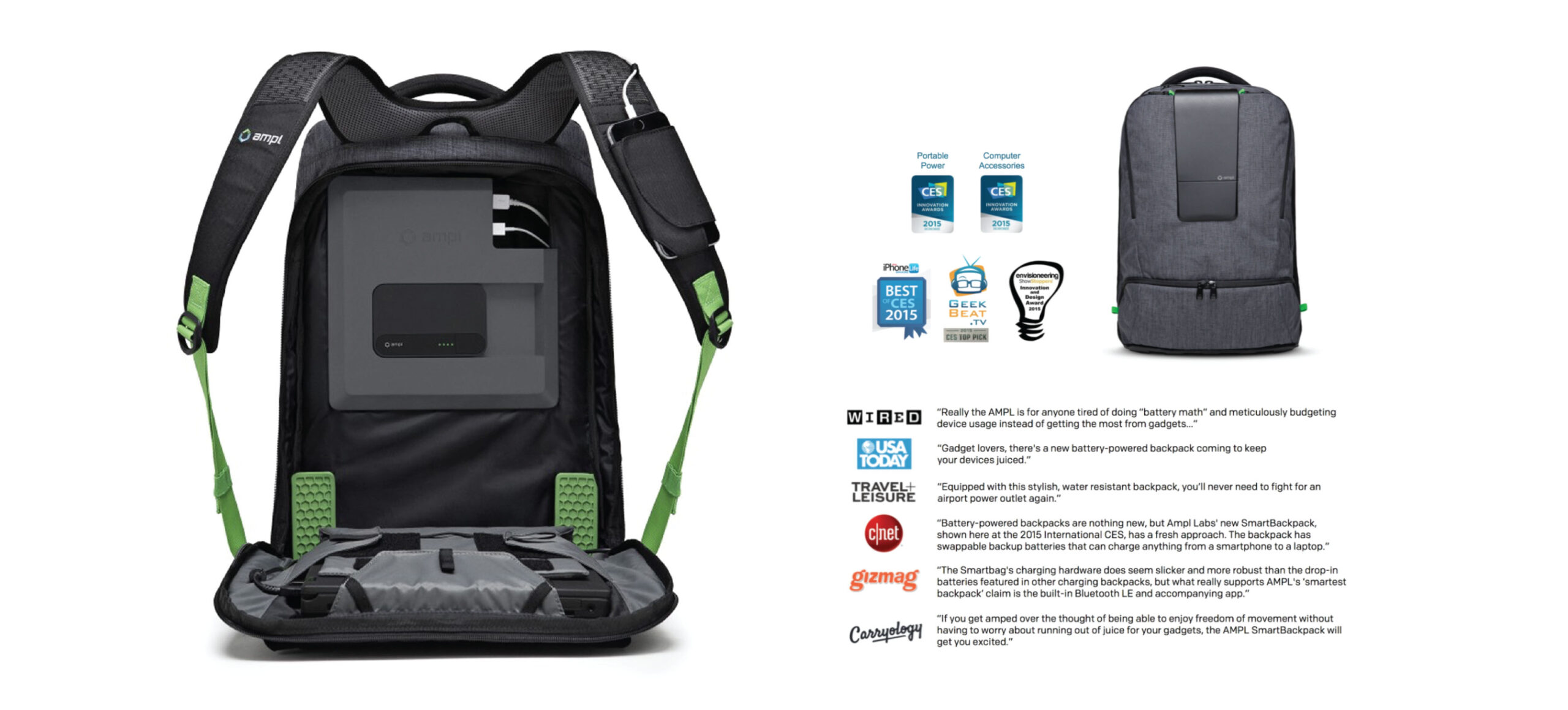
ELECTRONICS INTEGRATION

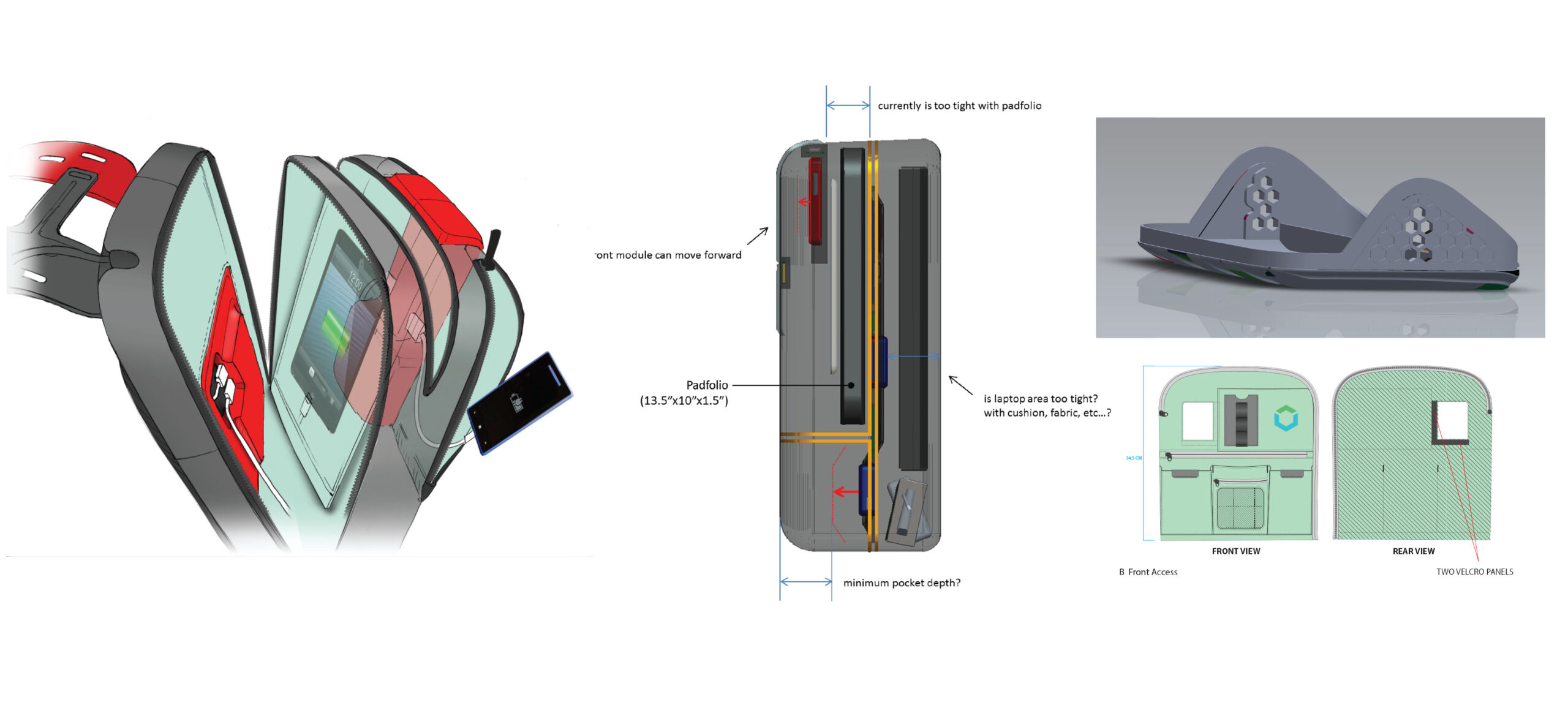
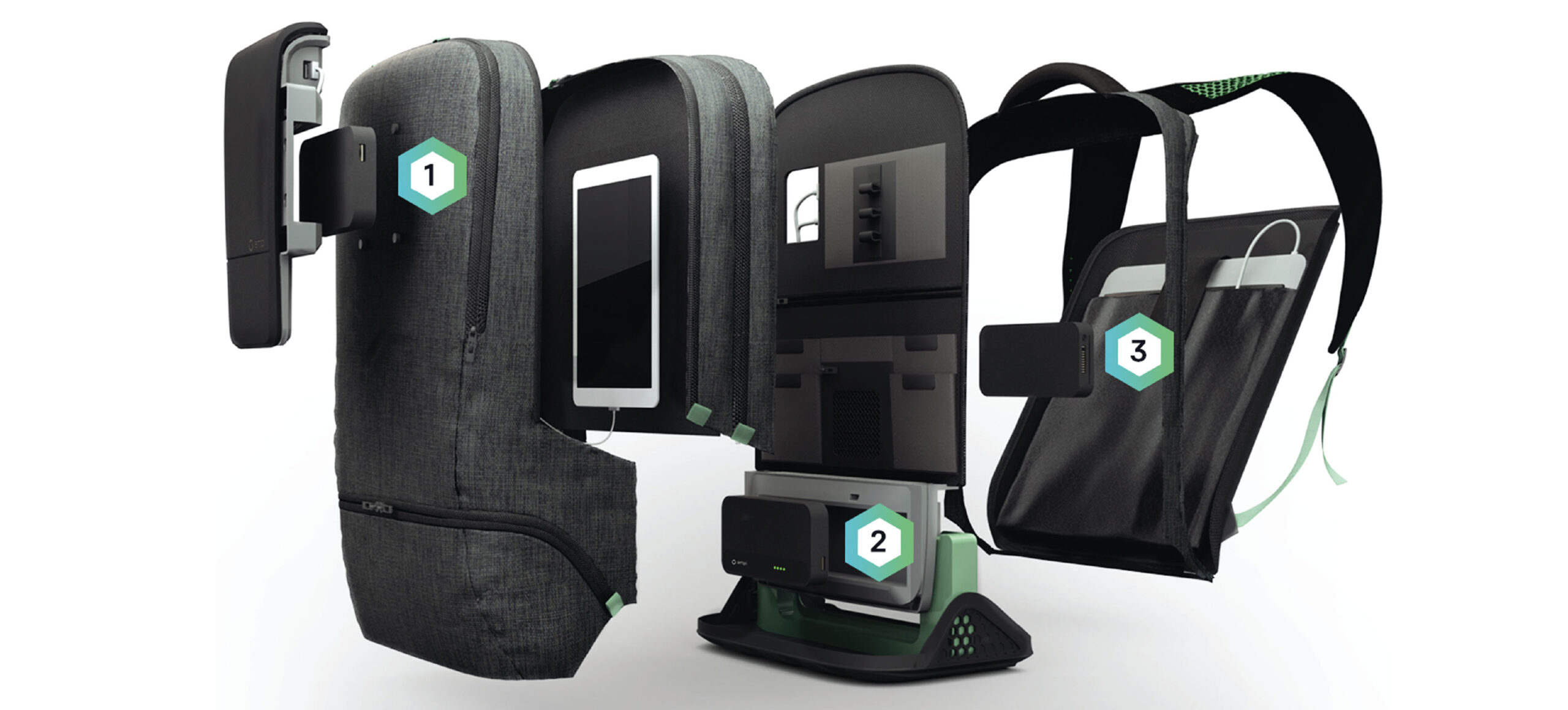
Developed internal architecture to house and protect battery systems, wiring, and connection points within a soft goods structure.

Key considerations:

  • cable routing paths
  • protection layers
  • access for charging + maintenance
  • heat and durability
Soft goods smart backpack design with integrated electronics

TEXTILE SYSTEM & CONSTRUCTION

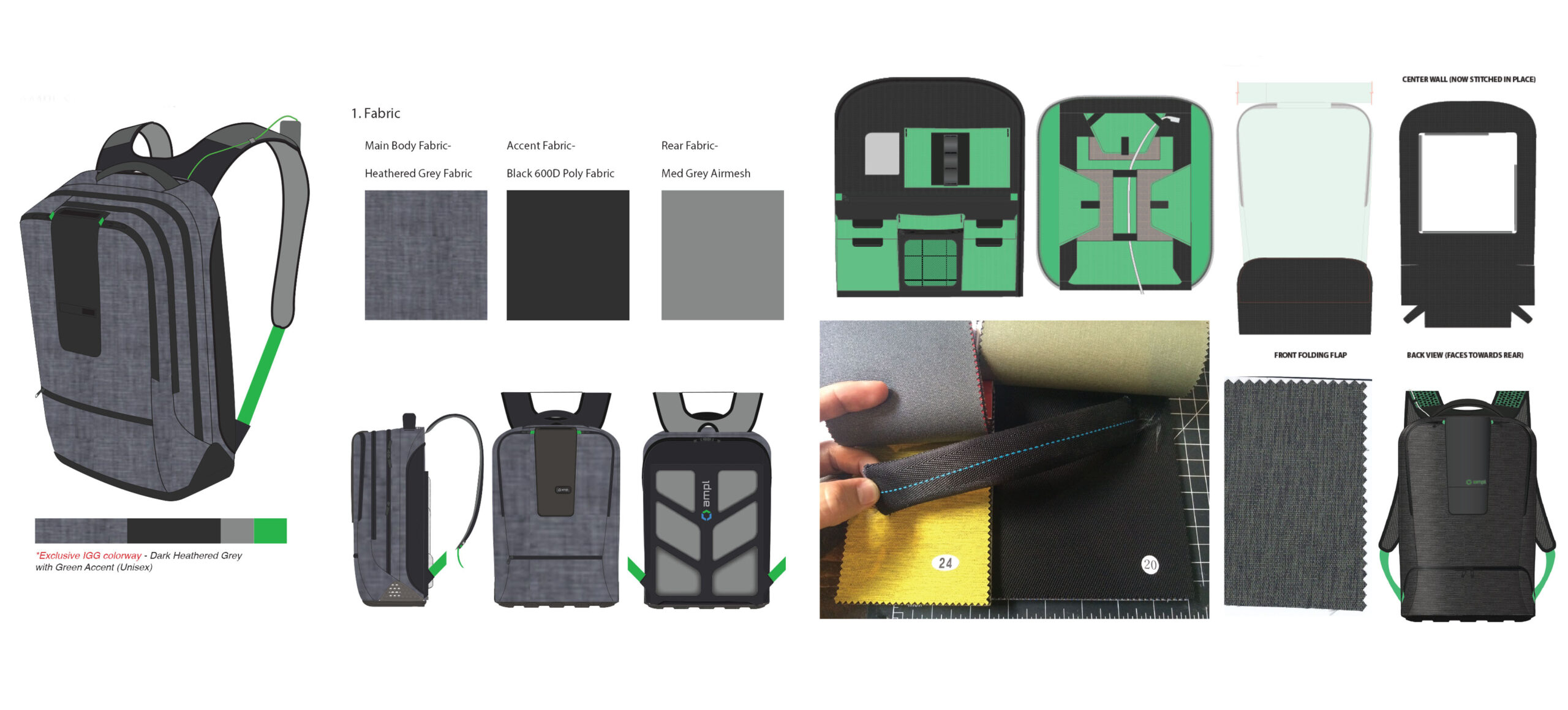
Defined a layered construction approach to support both structure and flexibility.

This included:

  • reinforced load-bearing zones
  • protective compartments for electronics
  • material selection aligned with durability and performance
  • construction methods suitable for manufacturing
Soft goods smart backpack design with integrated electronics

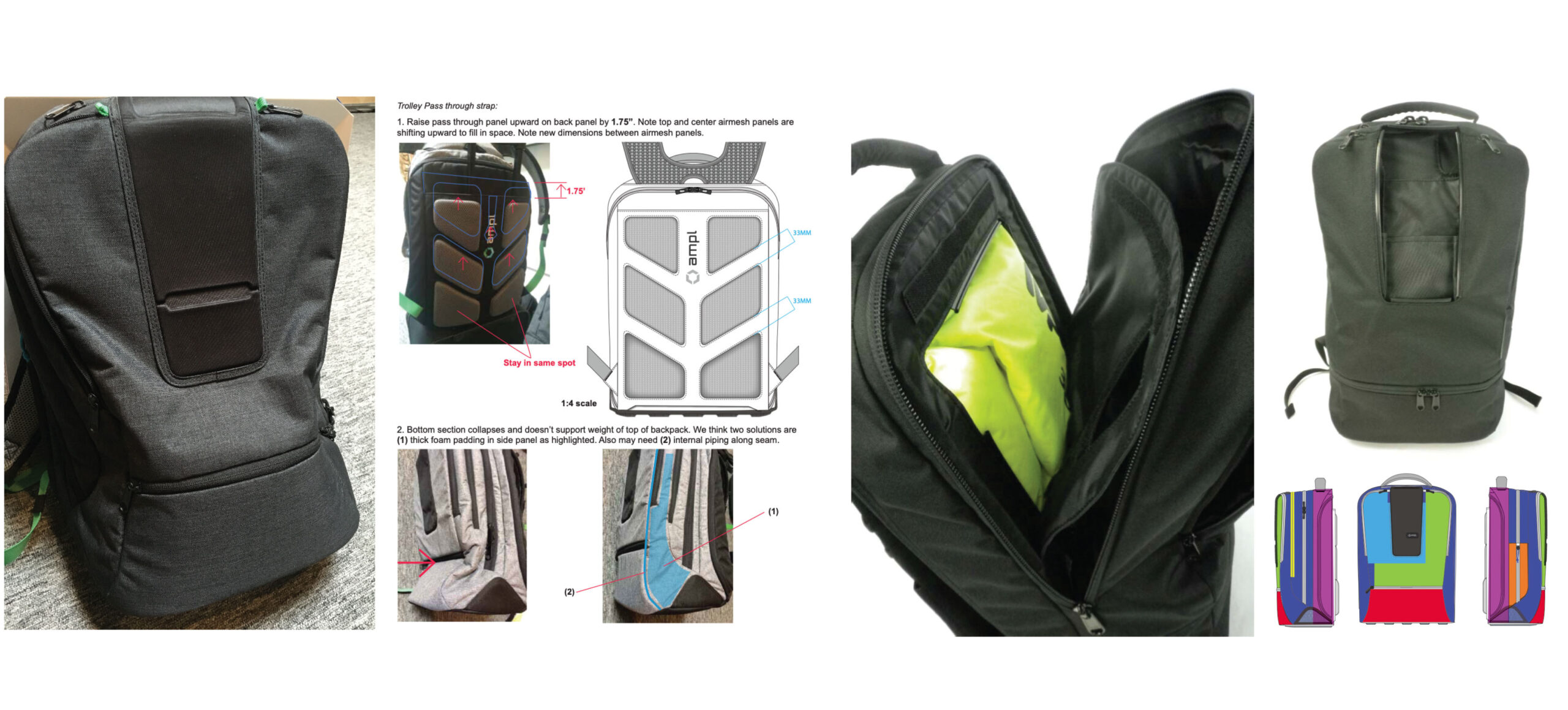
PROTOTYPE DEVELOPMENT

Iterative sampling was used to refine:

  • internal layout
  • material performance
  • comfort and weight distribution
  • construction details

Close collaboration with manufacturing partners ensured the design translated effectively into production.

Soft goods smart backpack design with integrated electronics

FINAL PRODUCT

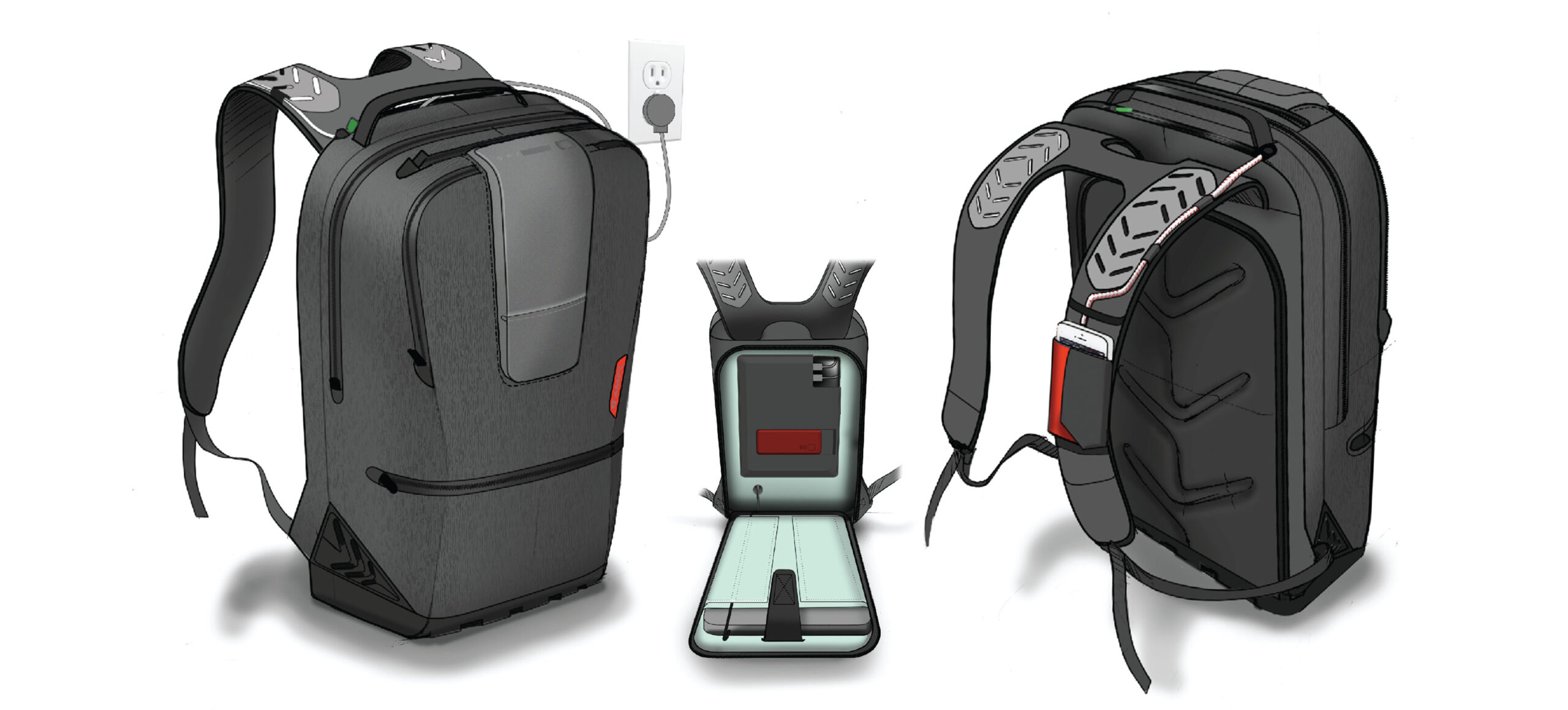
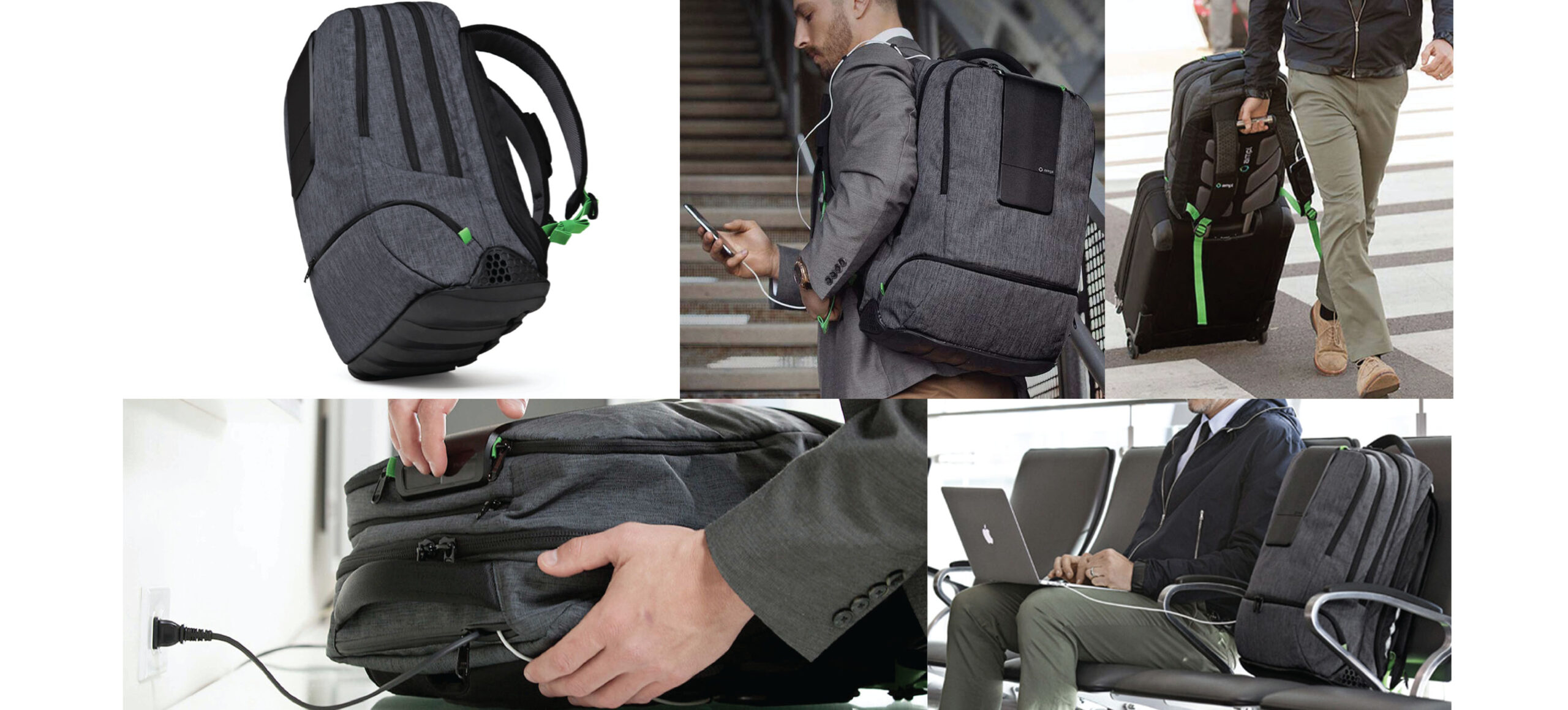
Final product integrates power, storage, and usability into a cohesive soft goods system designed for real-world use.

AMPL smart backpack integrating electronics into soft goods system

RESULTS

  • World’s first smart backpack with integrated charging
  • CES Innovation Award Winner (2×)
  • Successfully brought to market
  • Established a new category in wearable tech accessories
AMPL smart backpack integrating electronics into soft goods system

ROLE & CONTRIBUTION

Led soft goods design and product development, including:

    • concept development
    • system architecture
    • materials and construction strategy
    • prototype development
    • manufacturing alignment

Working on a Soft Goods or Wearable Product?

If you’re developing a product involving soft goods, wearables, or integrated systems, early alignment between design, materials, and manufacturing is critical.

fernando@studiofar.com

or

SCHEDULE A FREE DISCOVERY CALL HERE