The Problem
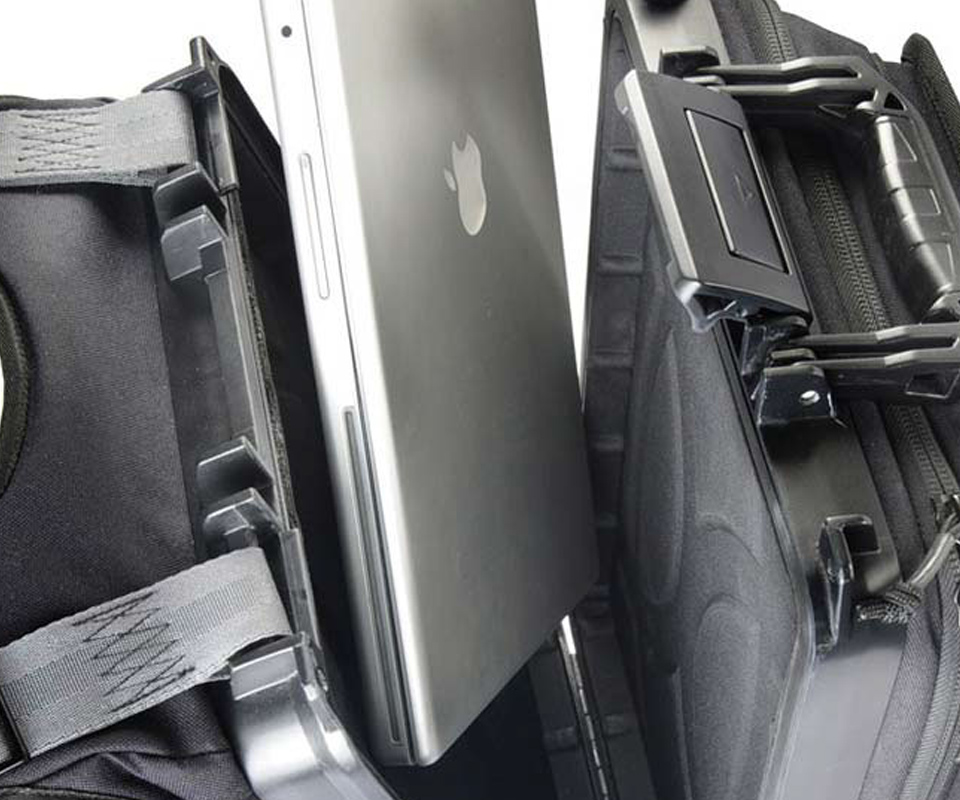
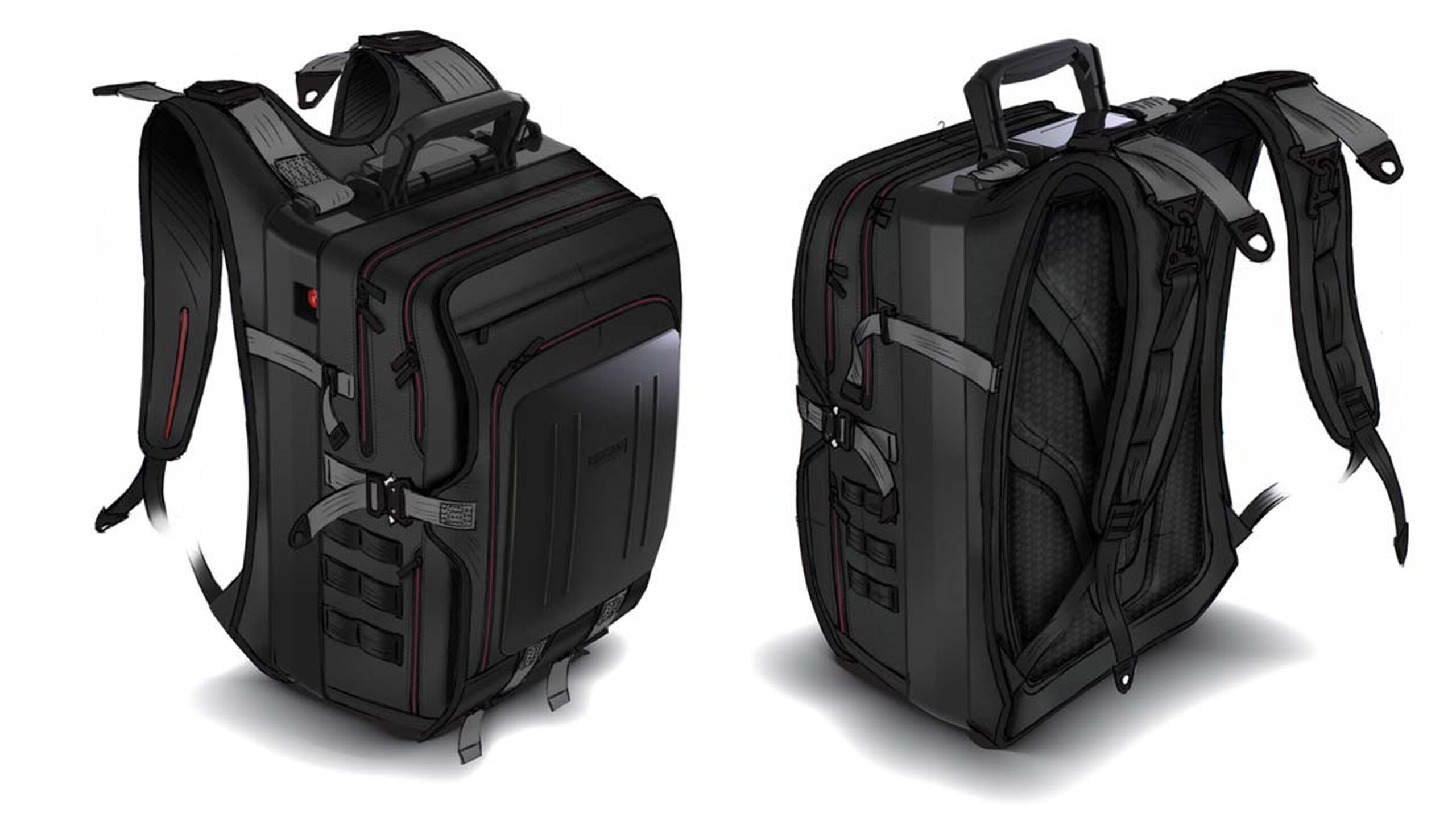
Pelican is known for hard protective cases. Translating that level of protection into a wearable product introduced a different set of challenges:
- Integrating rigid protection into a flexible textile system
- Managing weight while maintaining durability
- Designing for real-world use (travel, daily carry)
- Ensuring the product could be manufactured at scale
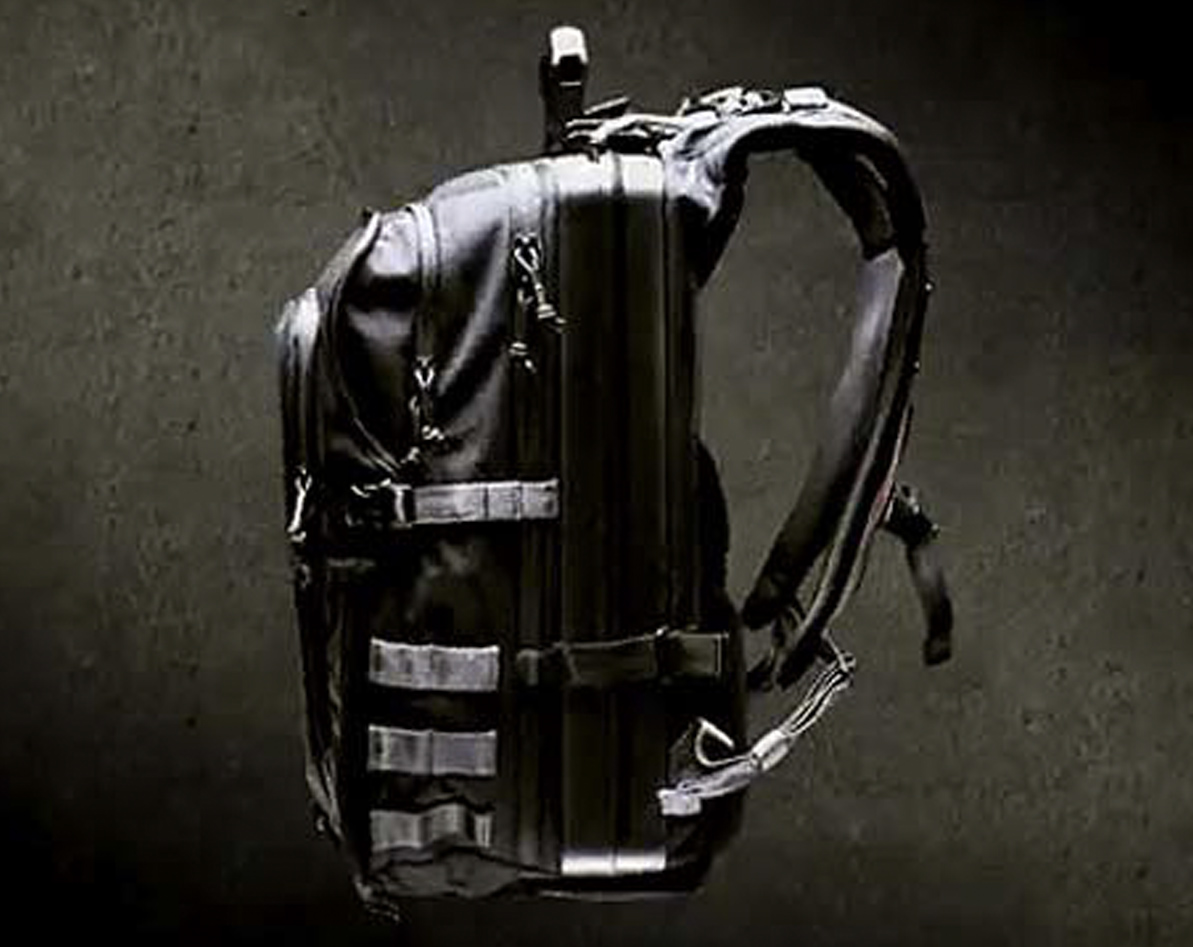
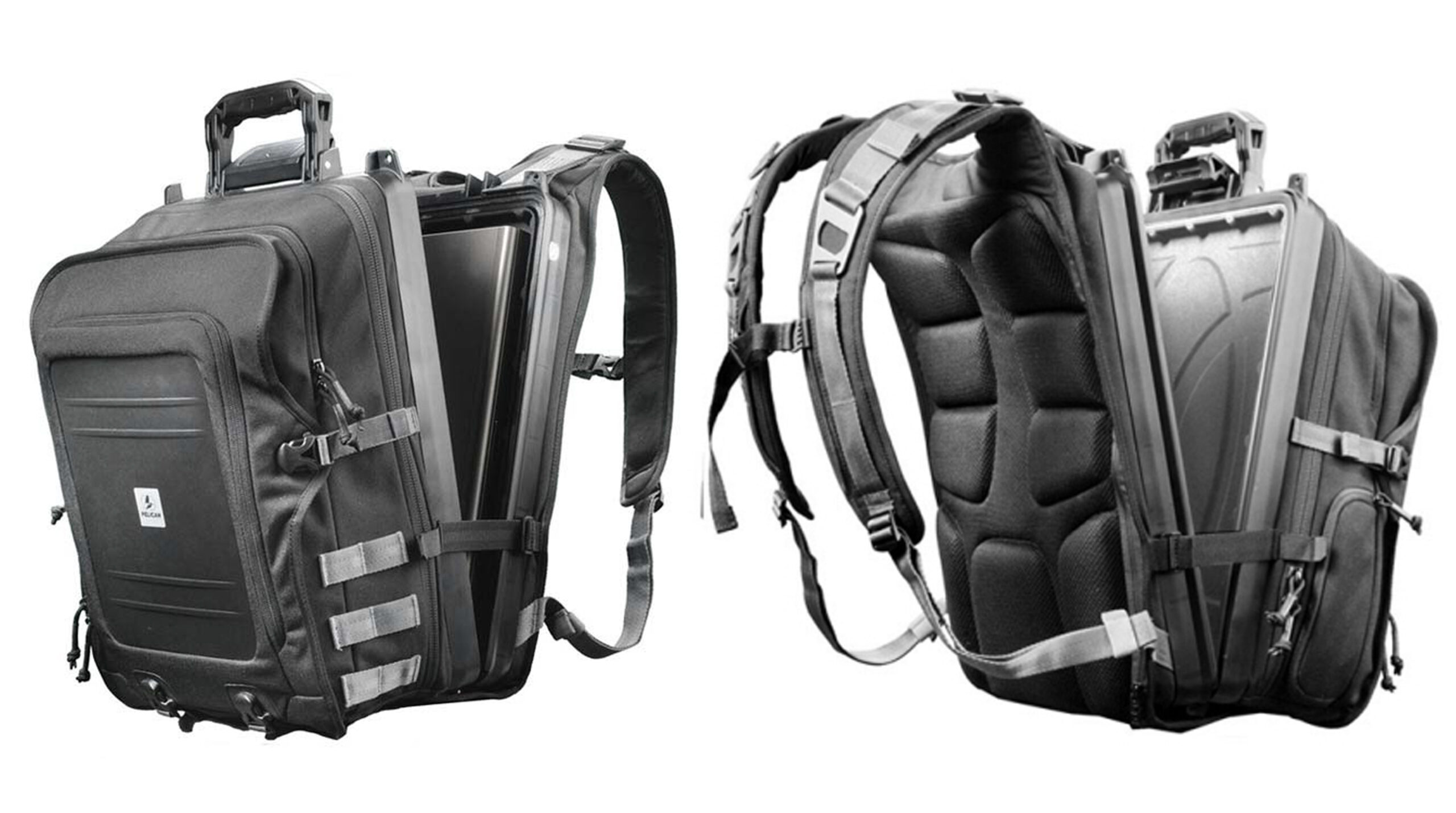
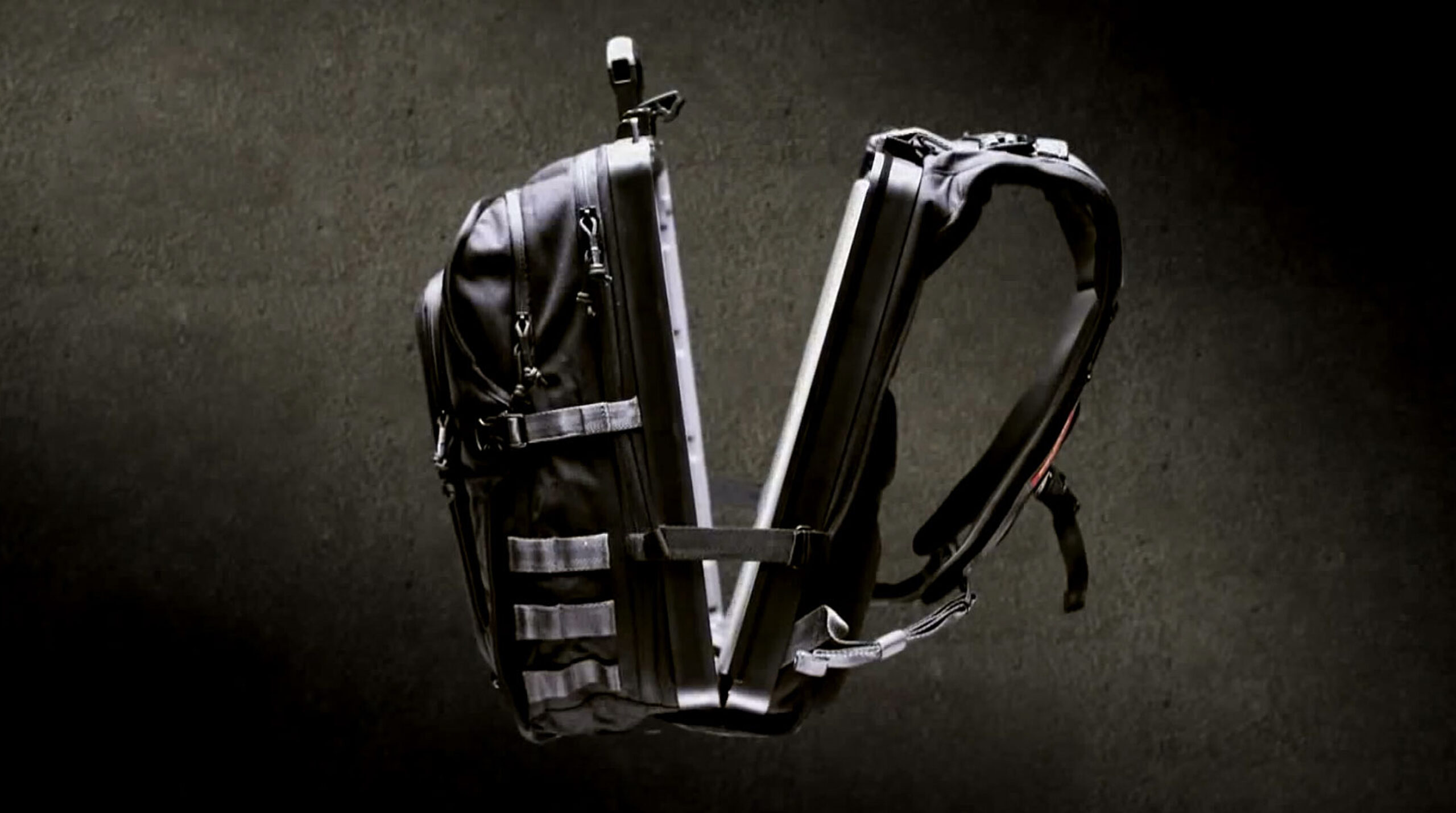
This was not a traditional backpack design problem. It required a hybrid system — where hard and soft components work together structurally.
Our Role
studioFAR led the soft goods integration and product development strategy, including:.
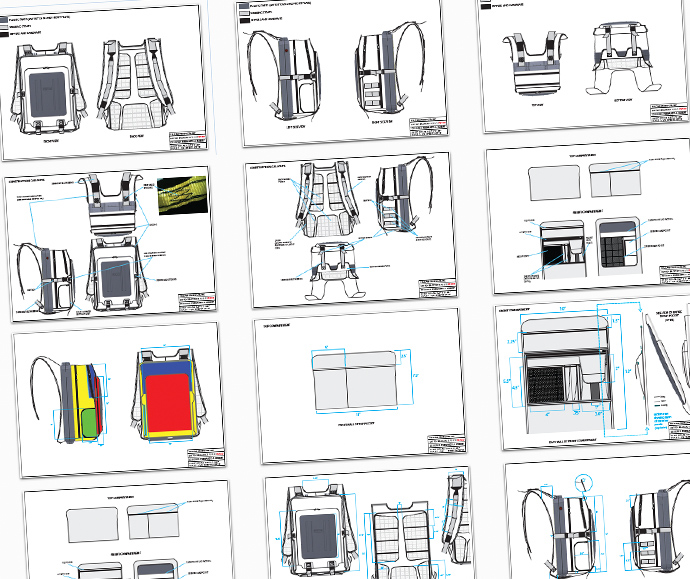
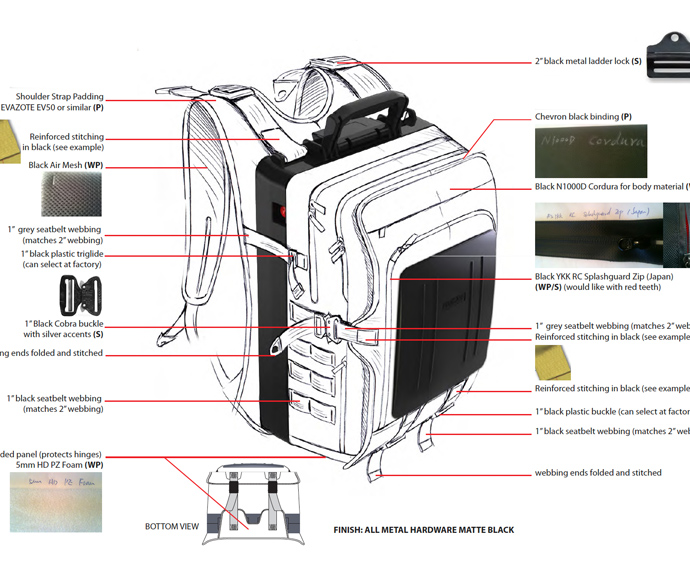
- Construction design and seam architecture
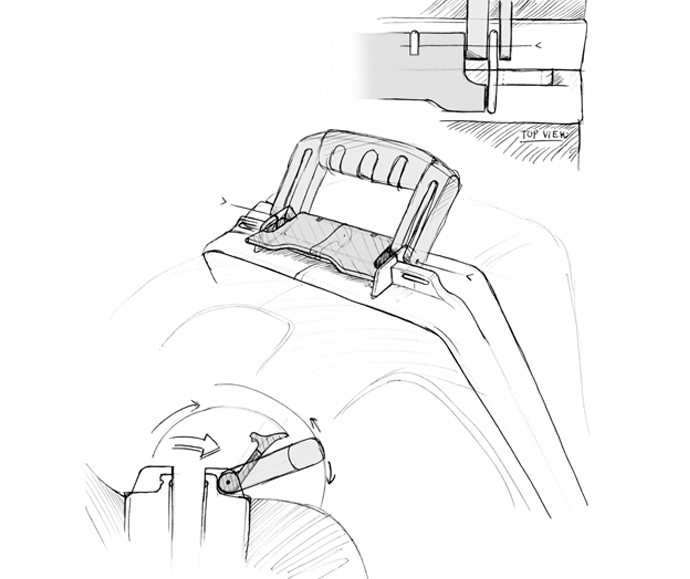
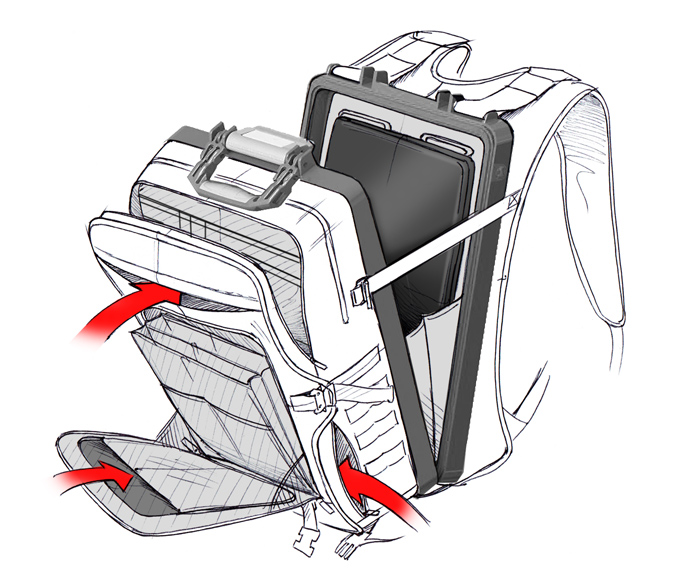
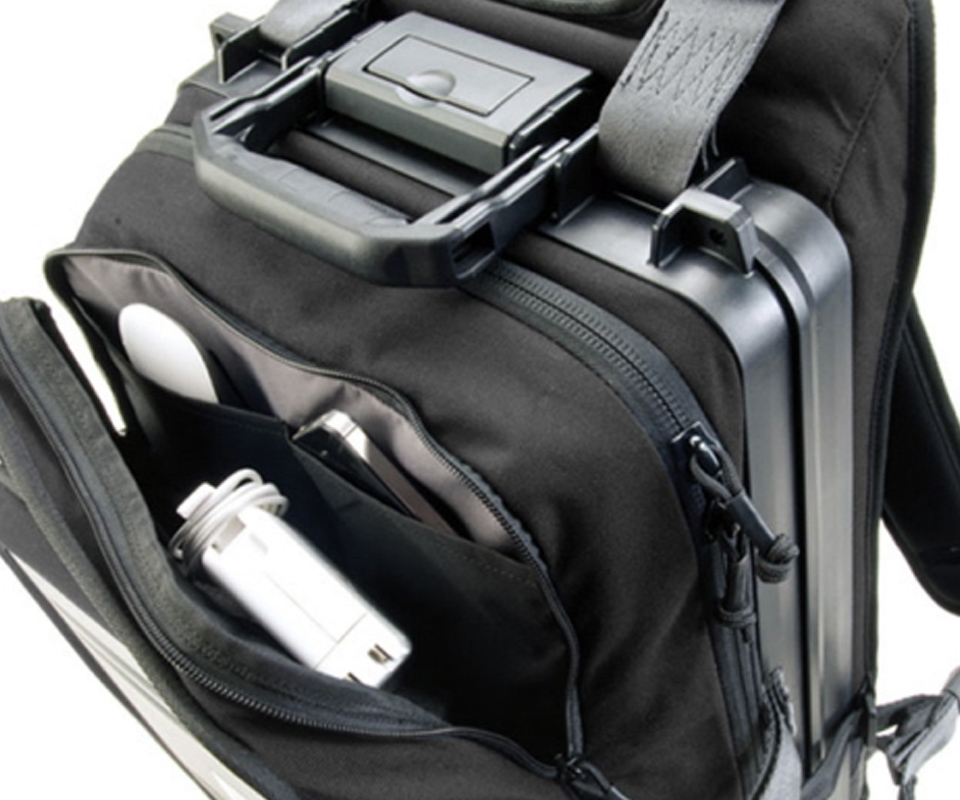
- Integration of rigid protective elements
- Material selection for durability and performance
- Design for manufacturing (DFM) considerations
- Development of a production-ready soft goods system
The focus was not just form — but ensuring the product could be built efficiently and consistently at scale.
Approach
1. Hybrid Construction Strategy
The core challenge was combining hard-shell protection with textile flexibility.
We developed a construction approach that:
-
- Distributed stress across key load areas
- Allowed for structural rigidity without compromising comfort
- Maintained clean integration between materials
2. Material & Durability Strategy
Material selection was driven by performance, not aesthetics.
Key considerations:
- Abrasion resistance
- Structural support
- Long-term durability under load
- Compatibility with manufacturing processes

Approach
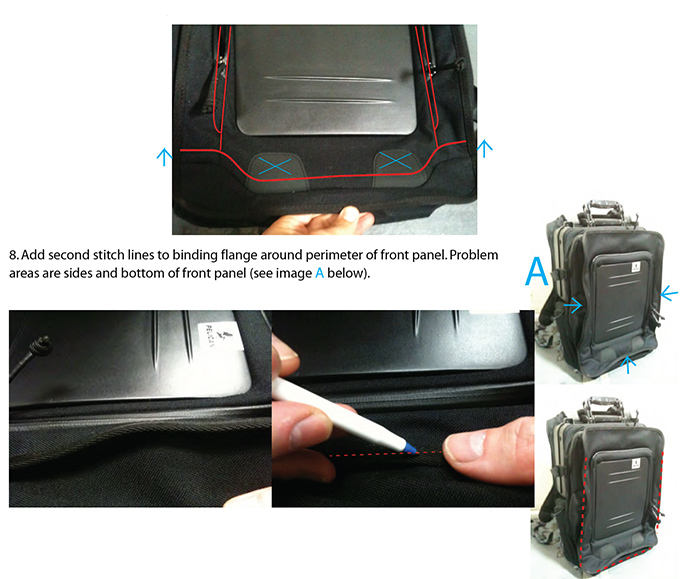
3. Seam Engineering & Assembly Logic
Seam placement and construction were critical to both durability and manufacturability.
We designed:
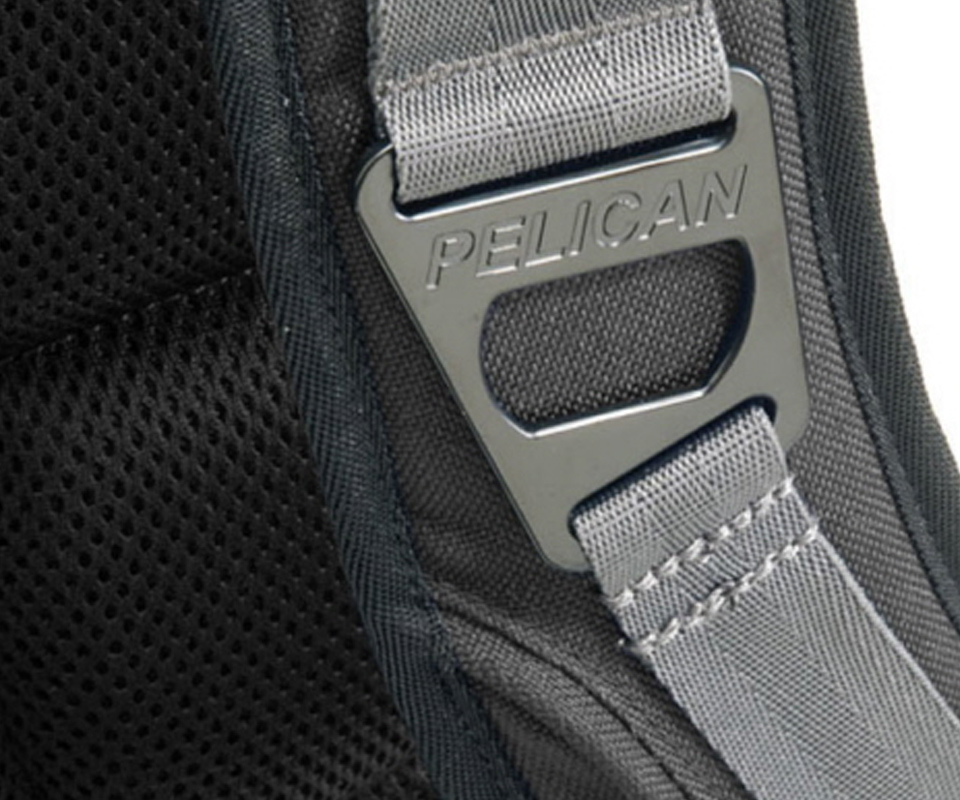
- Reinforced stress zones
- Efficient assembly sequences
- Clean internal construction for consistency
4. Design for Manufacturing (DFM)
From early development, the product was designed with factory constraints in mind.
This included:
- Reducing unnecessary complexity
- Aligning with standard manufacturing capabilities
- Ensuring repeatability across production runs
Where Most Teams Get This Wrong
Integrating rigid protection into soft goods products often leads to:
- Overbuilt design that increase cost and weight
- Weak seam performance under stress
- Misalignment between design intent and factory execution
Without early integration thinking, these issues surface during sampling — when they’re expensive to fix.
Outcome
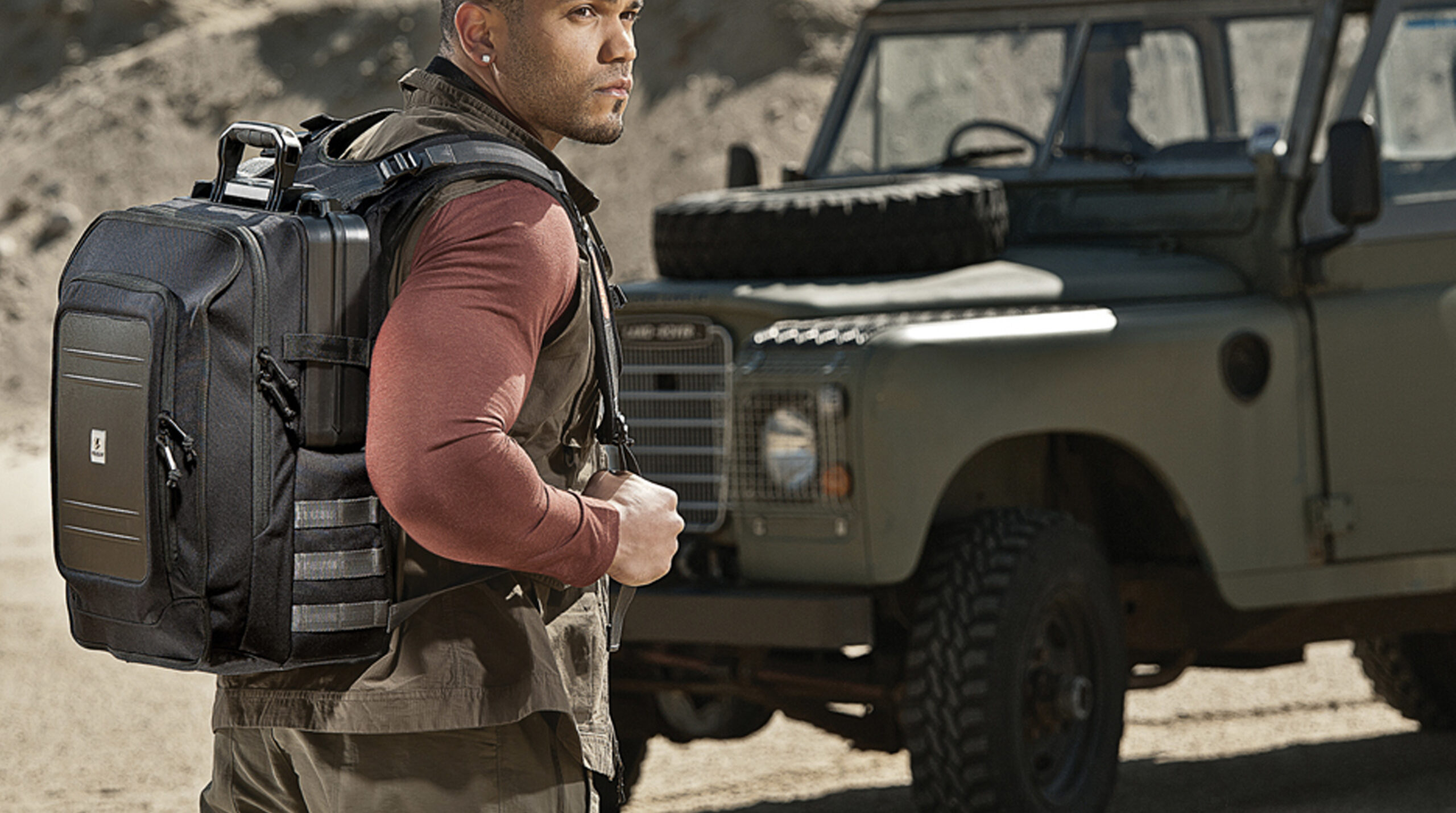
The result is a hybrid backpack system that:
- Balances protection with usability
- Maintains durability under real-world conditions
- Is structured for scalable manufacturing
- Extends Pelican’s product offering into wearable gear
Testimonial
Any hesitation you may have to hire Fernando as a soft goods designer is herewith removed. I threw every monkey wrench I could find at him and it never slowed him down.
Fernando pioneered with Pelican a patented integration of plastics and fabrics. He sweated every bar stitch, zipper pull and material choice. His rendering skills gave our execs the confidence to green-light the product line, and he nursed the tech packs through our QC and Engineering for process control.
Most importantly Fernando was the voice of the product, working diligently over a year with our foreign vendor to bring a series of 11 innovative backpacks to market.
He also has the patience of a saint, and attention to detail that supports the work.

Available styles at https://www.pelican.com
If you’re developing a hybrid product that combines structure, electronics, or protection with soft goods, the integration strategy matters early.
Schedule a time here to speak with Fernando https://calendly.com/studiofar/15min