Soft Goods Designer, Softgoods Designer, Soft Goods Design Firm, Softgoods Design Firm, Soft Goods Industrial Designer, Soft Goods Design, Softgoods Design, Softgoods prototyping, Soft Goods Prototyping, Soft Goods Product Designer, Technical Backpack Designer, Wearables Design, Wearable Design, Freelance Soft Goods Designer, Freelance Softgoods Designer, Soft Goods Manufacturing, Softgoods Manufacturing

Soft Goods System & Design Language Development for Instrument Case Collection | RBC

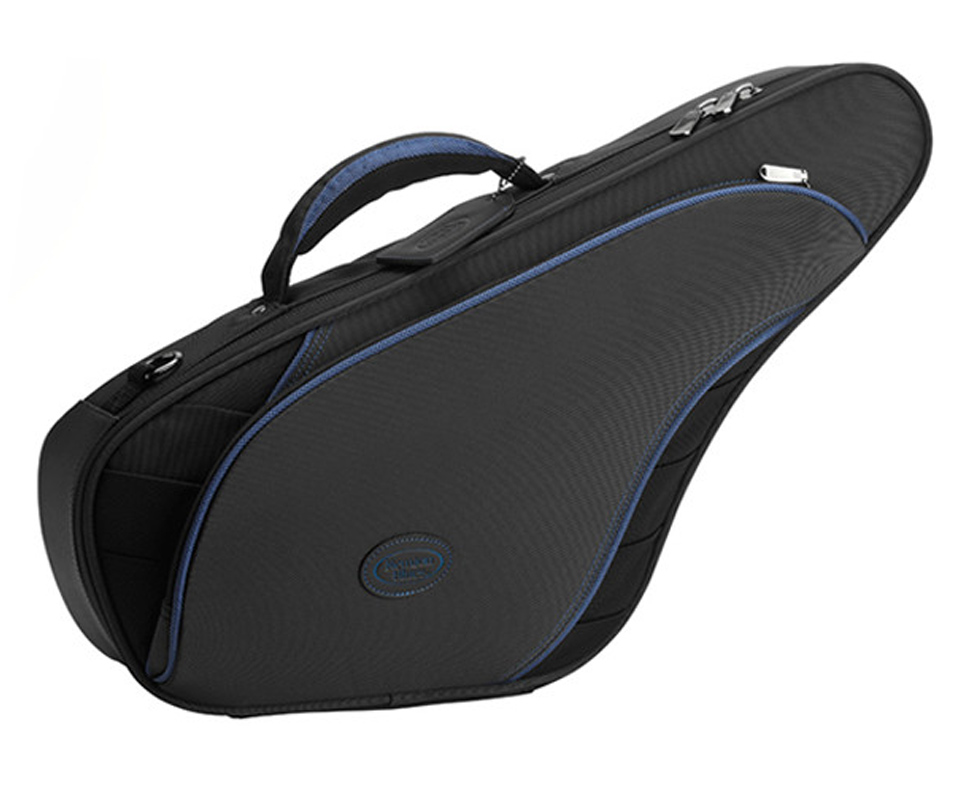
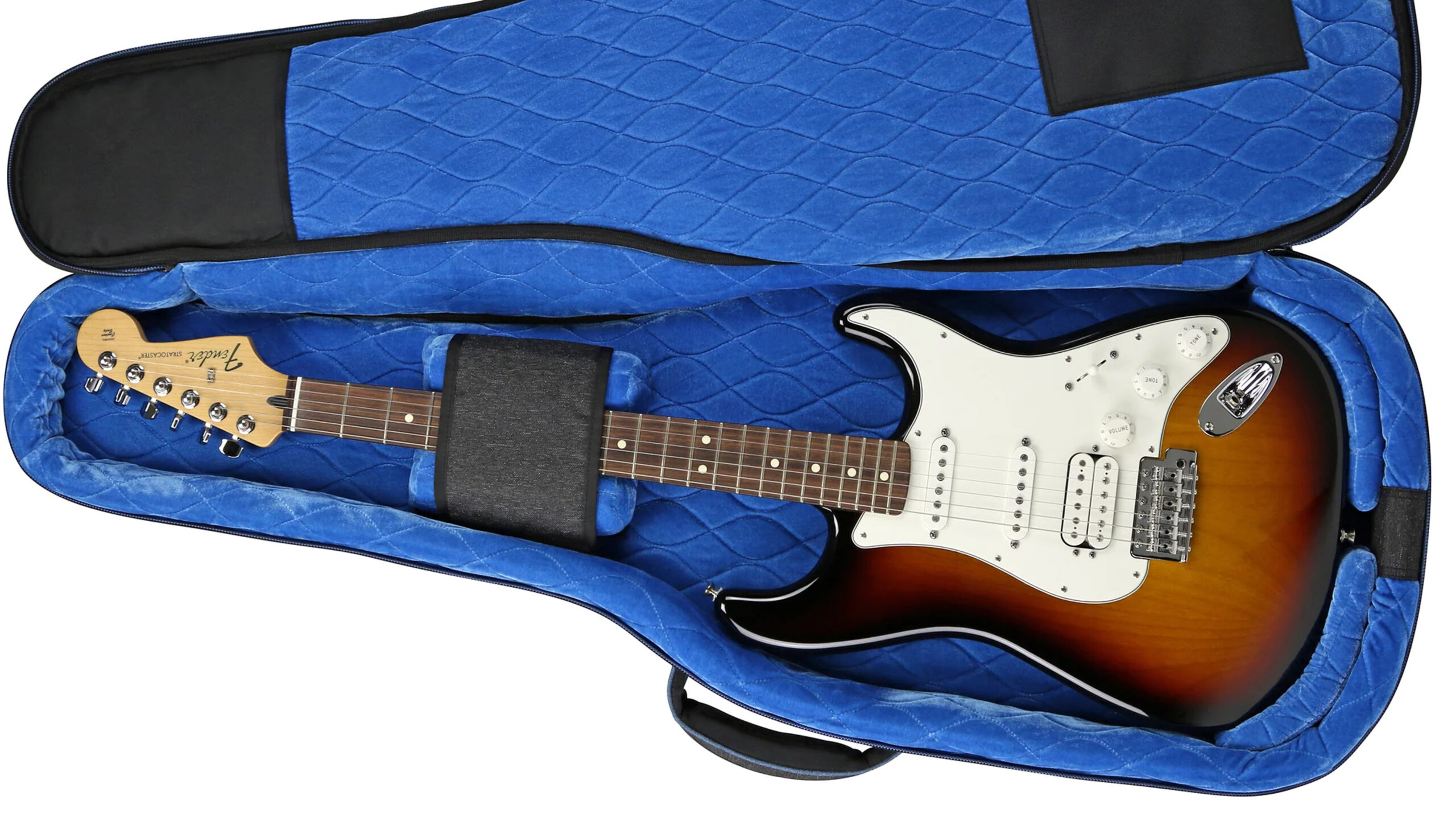
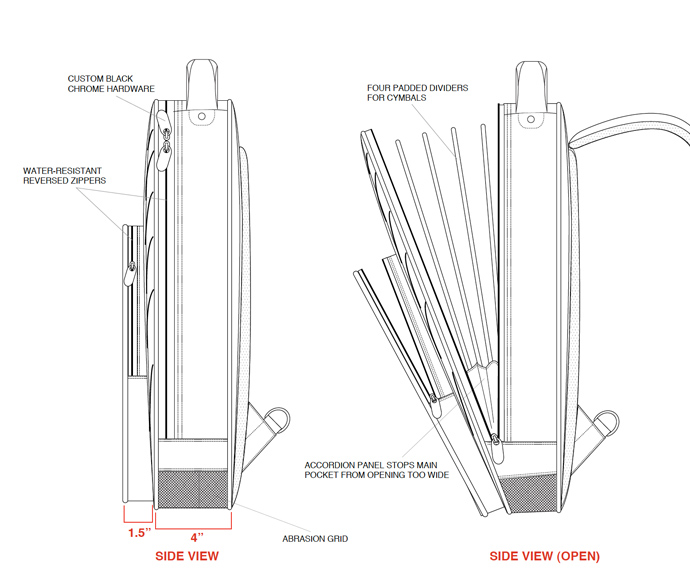
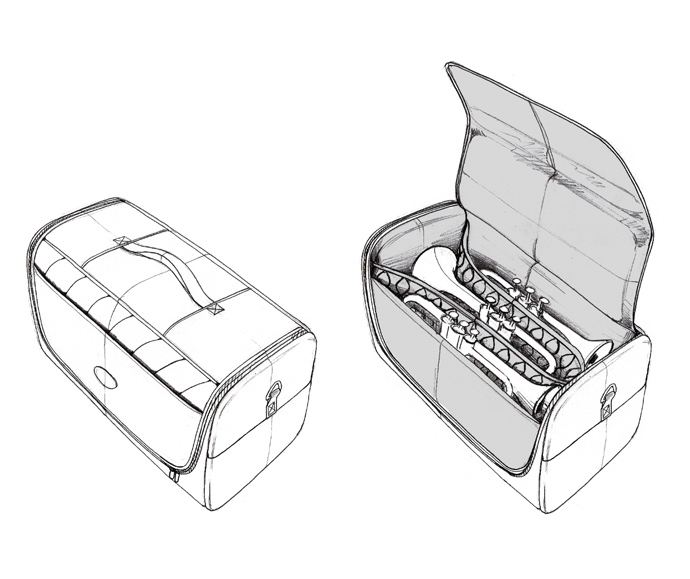
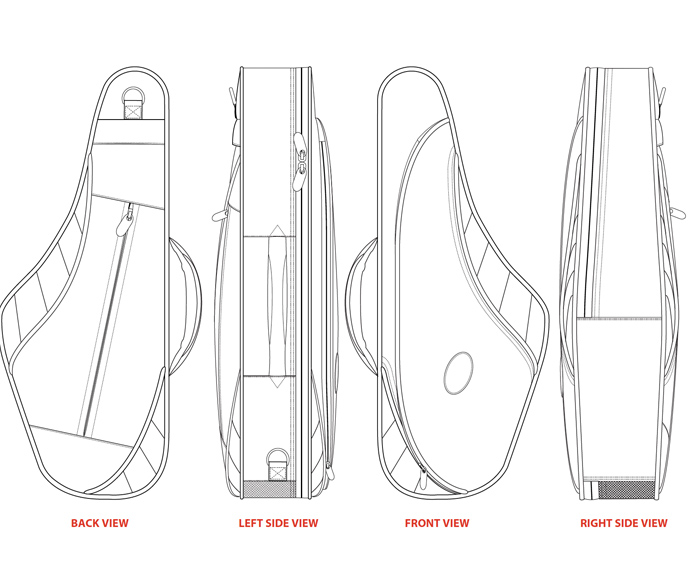
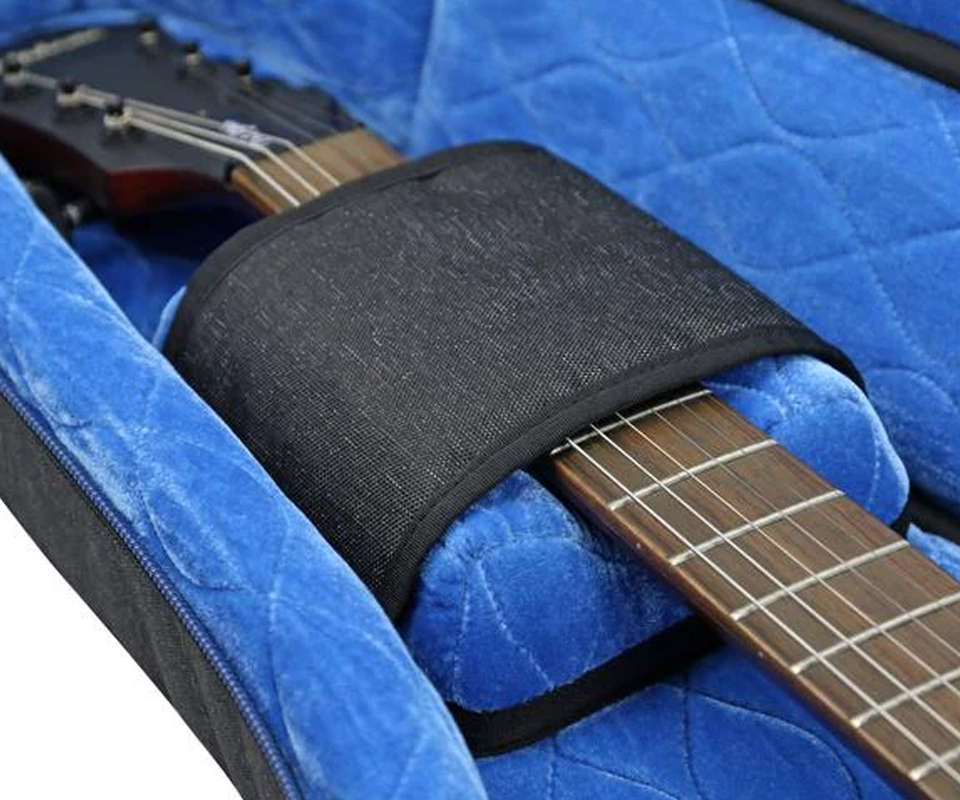
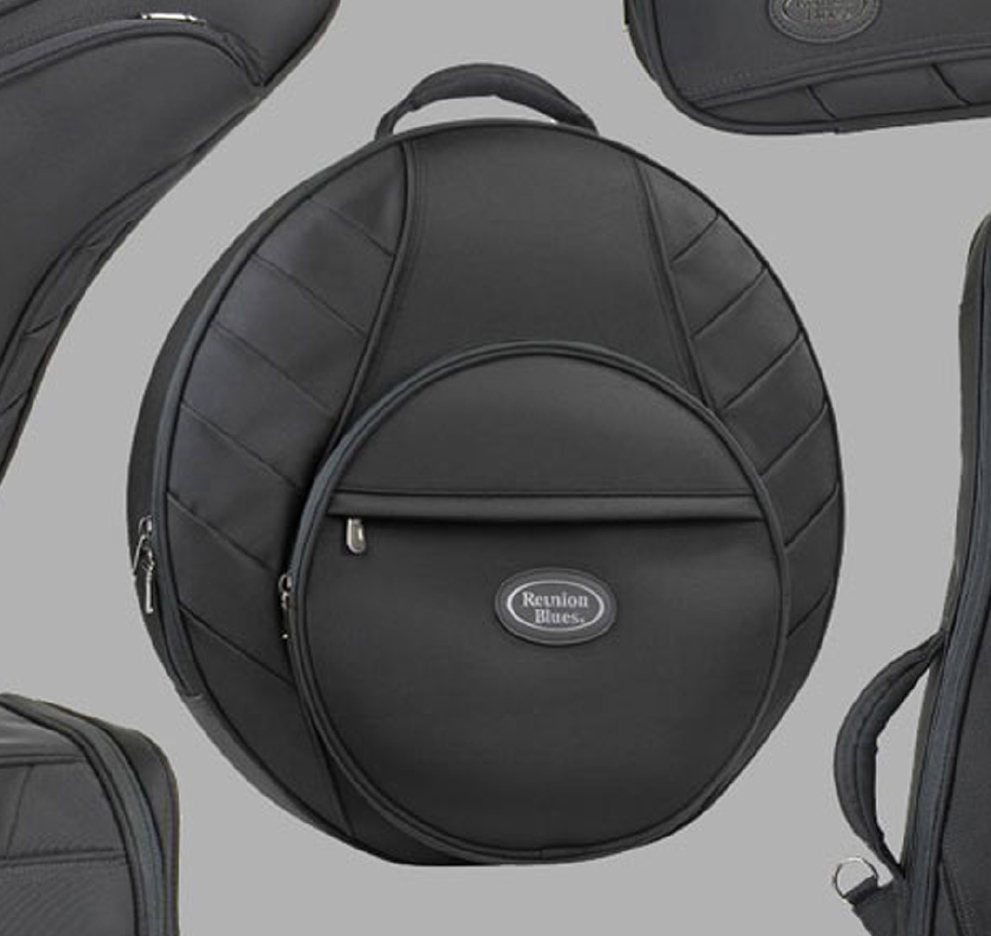
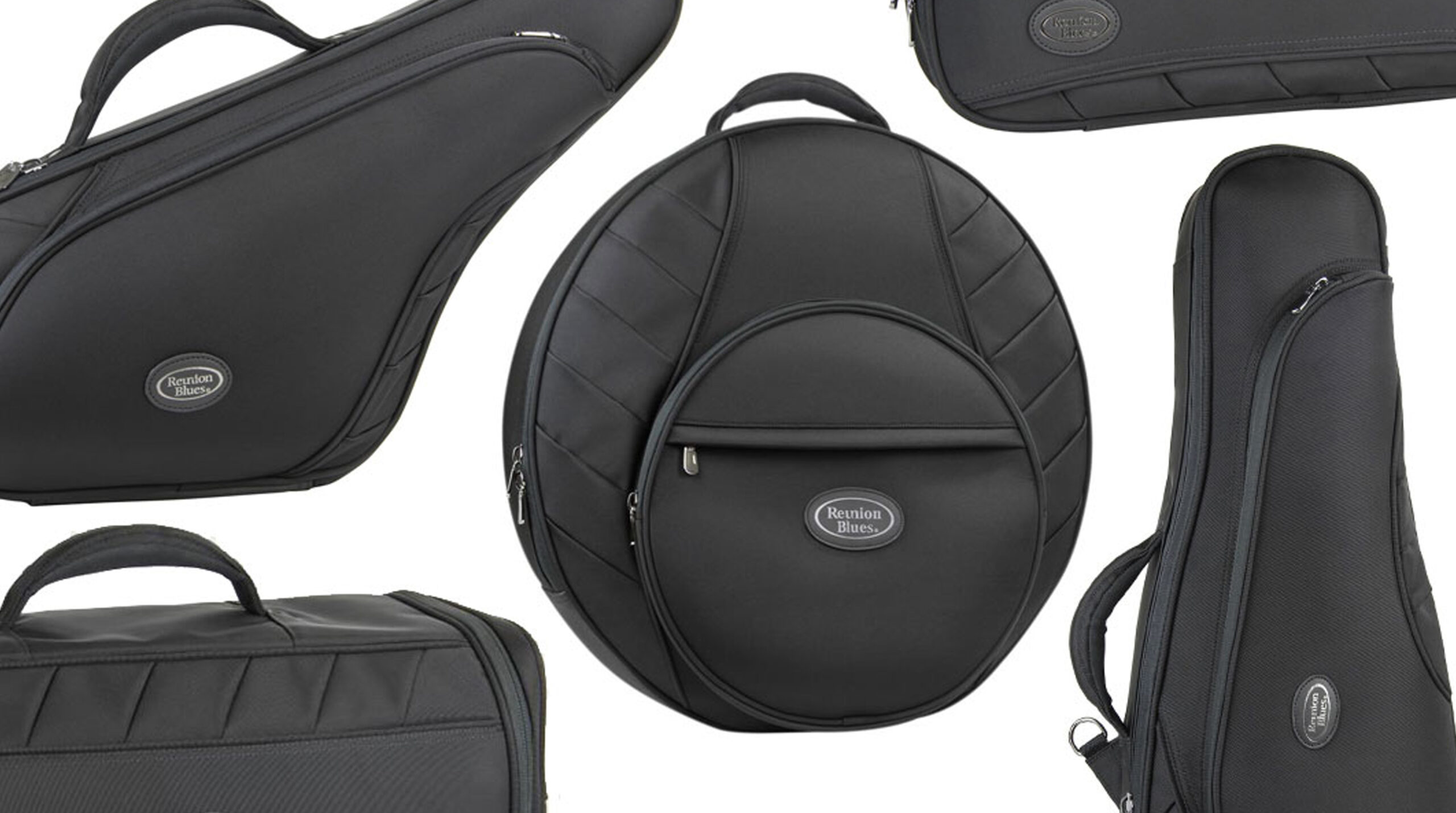
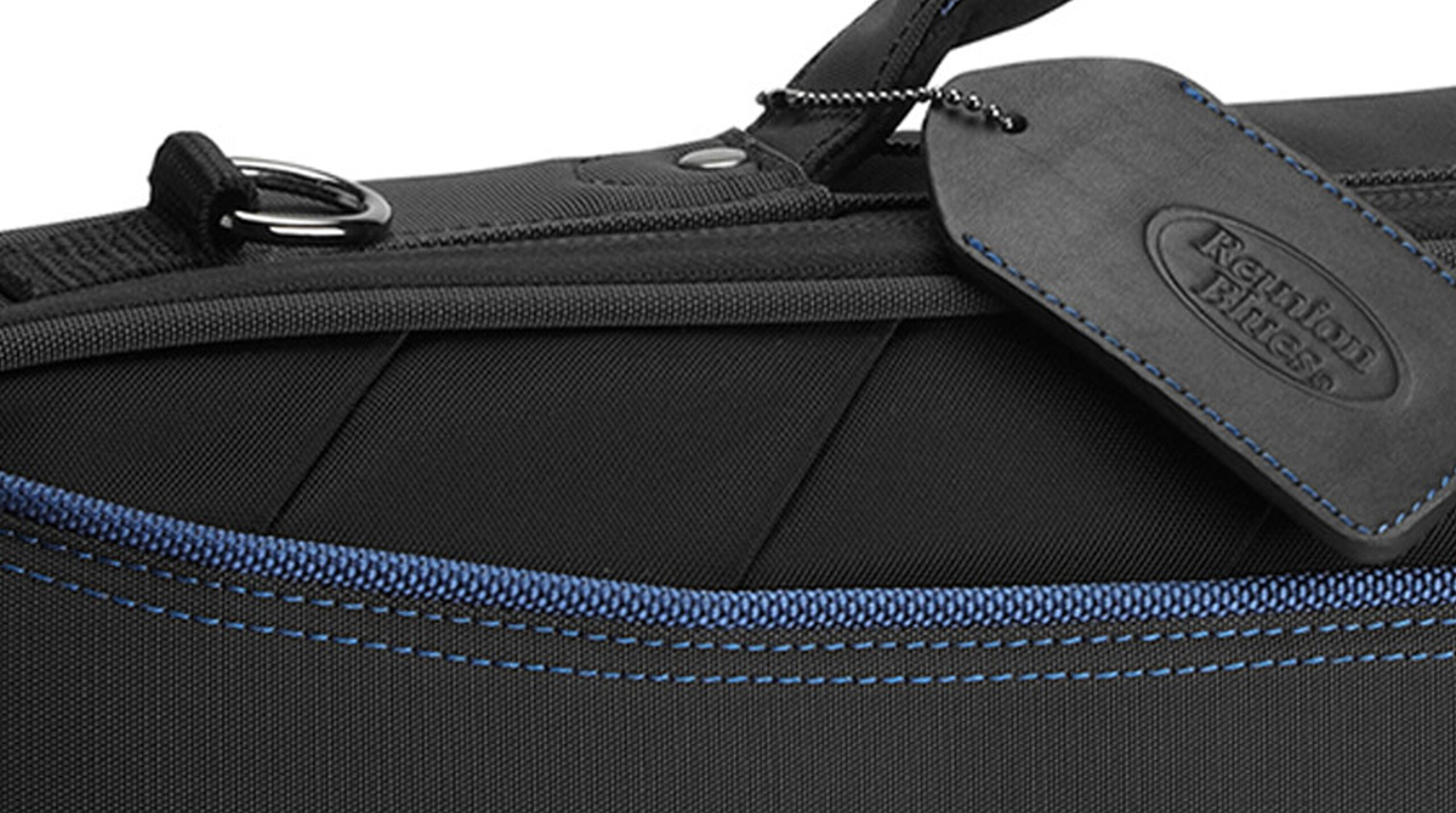
RBC required a cohesive system of soft goods instrument cases designed as a unified product collection. studioFAR led the development of a scalable design language and soft goods construction system, enabling consistency across multiple products while maintaining durability, usability, and manufacturability.

The Problem

RBC was not developing a single product. They needed a collection of instrument cases that would:

  • Function across different use cases and sizes
  • Maintain a consistent brand identity
  • Be durable for real-world transport
  • Be manufacturable at scale

The challenge was not just designing individual bags — but creating a repeatable system that could extend across a product line. Without a defined design language and construction logic, collections often become:

  • Visually inconsistent
  • Inefficient to manufacture
  • Difficult to scale into new SKUs

Approach

1. Design Language System

We developed a clear and repeatable design language that could scale across the entire product line.

This included:

  • Consistent visual cues and proportions
  • Standardized construction details
  • Recognizable brand elements across products

The result is a collection that feels cohesive — not fragmented.

2. Modular Product Architecture

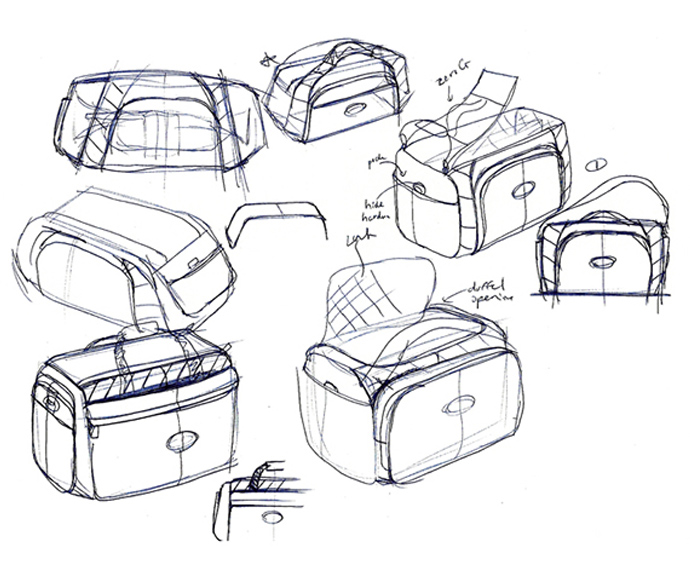
Each case was designed as part of a broader system.

We established:

  • Shared construction principles
  • Repeatable component strategies
  • Scalable design logic for future SKUs

This allows the collection to expand without reinventing the process each time.
Soft Goods Designer, Softgoods Designer, Soft Goods Design Firm, Softgoods Design Firm, Soft Goods Industrial Designer, Soft Goods Design, Softgoods Design, Softgoods prototyping, Soft Goods Prototyping, Soft Goods Product Designer, Technical Backpack Designer, Wearables Design, Wearable Design, Freelance Soft Goods Designer, Freelance Softgoods Designer, Soft Goods Manufacturing, Softgoods Manufacturing

Approach

3. Material & Durability Strategy

Material decisions were made at the system level — not per product.

This ensured:

  • Consistency across the collection
  • Reliable performance under use
  • Alignment with manufacturing capabilities

4. Design for Manufacturing (DFM)

A key focus was ensuring the collection could be produced efficiently.

We aligned:

  • Construction methods across SKUs
  • Material usage for cost control
  • Assembly processes for scalability

This reduces complexity as the product line grows.
Where Most Teams Get This Wrong

When developing product collections, teams often:

  • Design each product in isolation
  • Lack a consistent construction system
  • Introduce unnecessary variation between SKUs
  • Create inefficiencies in manufacturing

The result is a fragmented product line that becomes harder — and more expensive — to scale.
Outcome

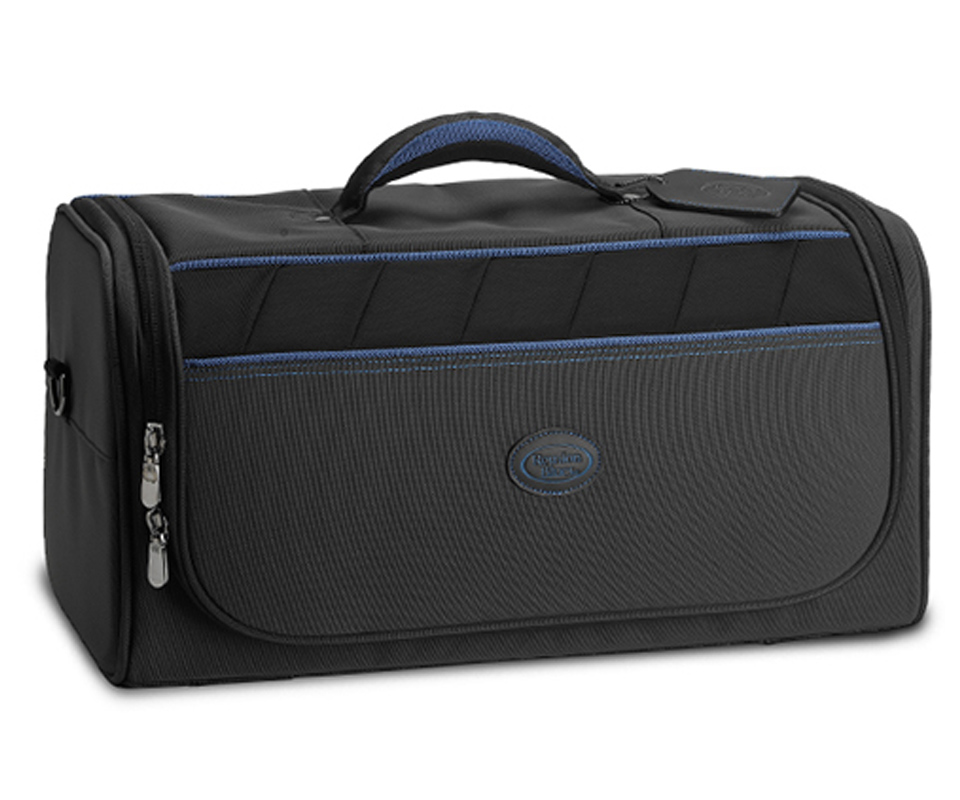
The RBC instrument case collection demonstrates how a system-driven approach can:

  • Create a cohesive product family
  • Maintain consistency across multiple SKUs
  • Improve manufacturing efficiency
  • Support long-term product line expansion

Available styles at https://www.reunionblues.com

If you’re developing a collection of soft goods products, the design language and system architecture should be defined early — not retrofitted later.