Soft Goods Designer, Softgoods Designer, Soft Goods Design Firm, Softgoods Design Firm, Soft Goods Industrial Designer, Soft Goods Design, Softgoods Design, Softgoods prototyping, Soft Goods Prototyping, Soft Goods Product Designer, Technical Backpack Designer, Wearables Design, Wearable Design, Freelance Soft Goods Designer, Freelance Softgoods Designer, Soft Goods Manufacturing, Softgoods Manufacturing

Wearable Textile System Design for Health Protection | SHEL COVID Vest

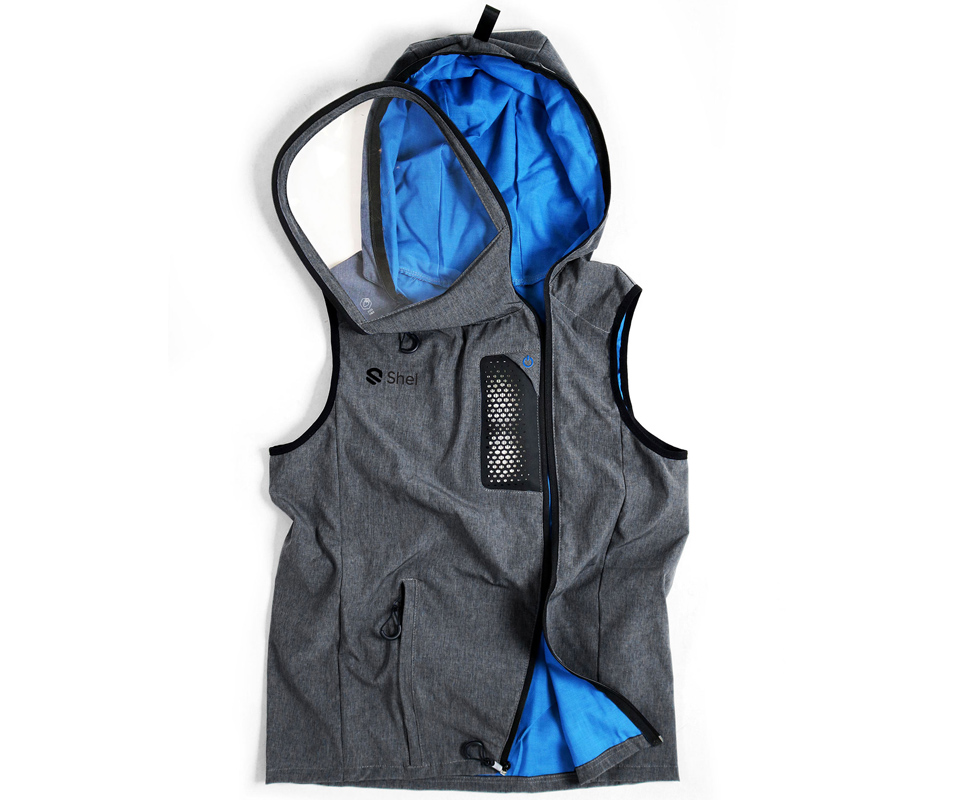
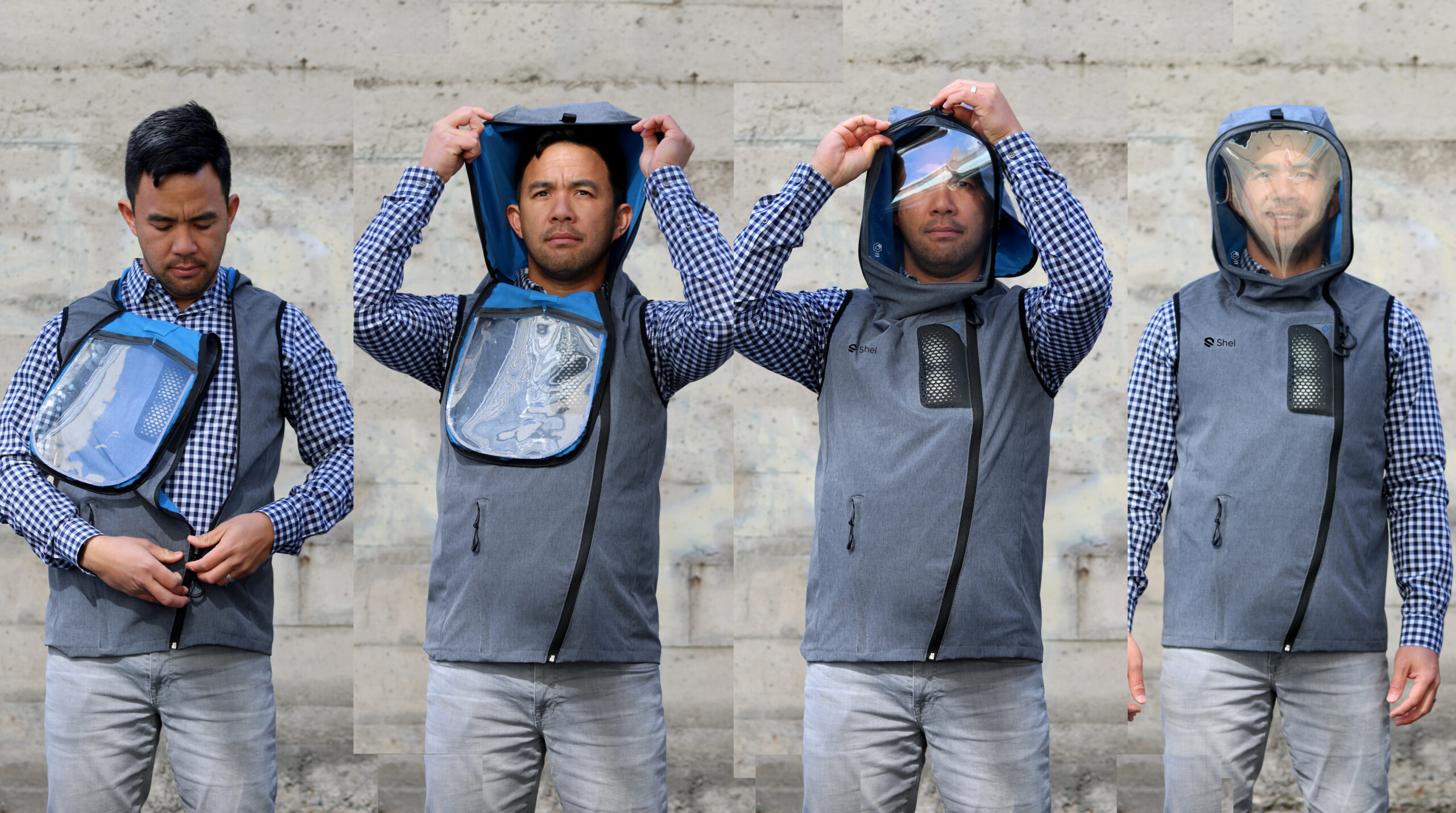
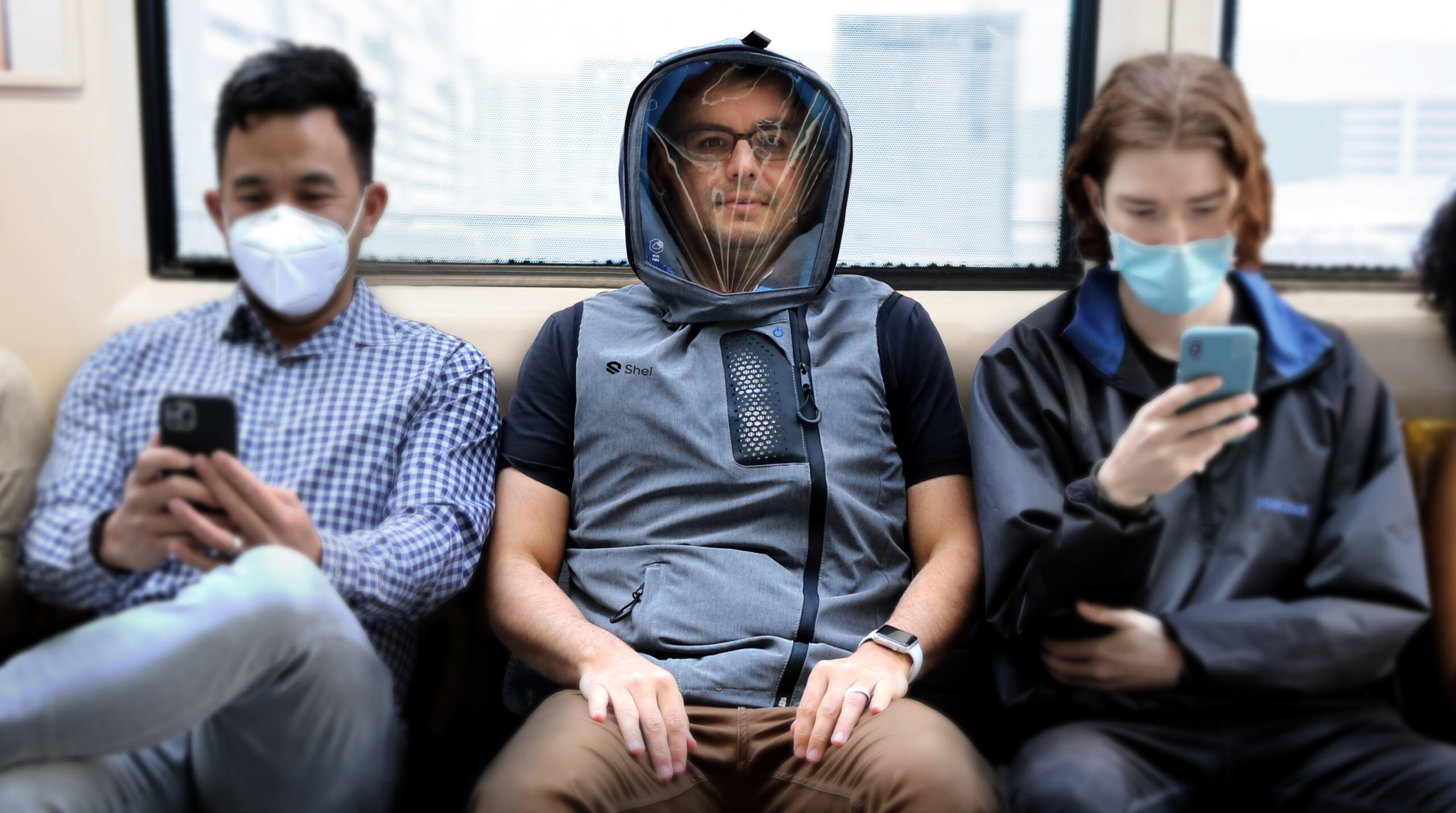
The SHEL COVID Vest was developed as a wearable system designed to support safer everyday interactions during the COVID-19 pandemic. studioFAR led the textile system design and product development, focusing on integrating protective functionality into a wearable, comfortable, and manufacturable soft goods solution.

The Problem

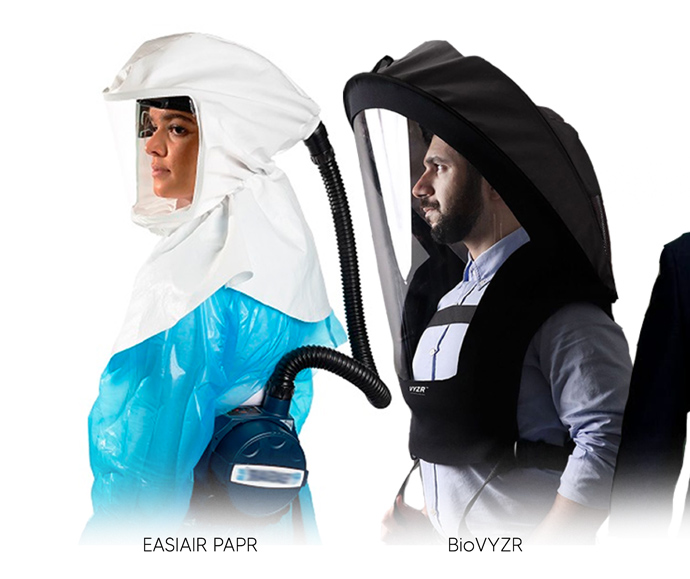
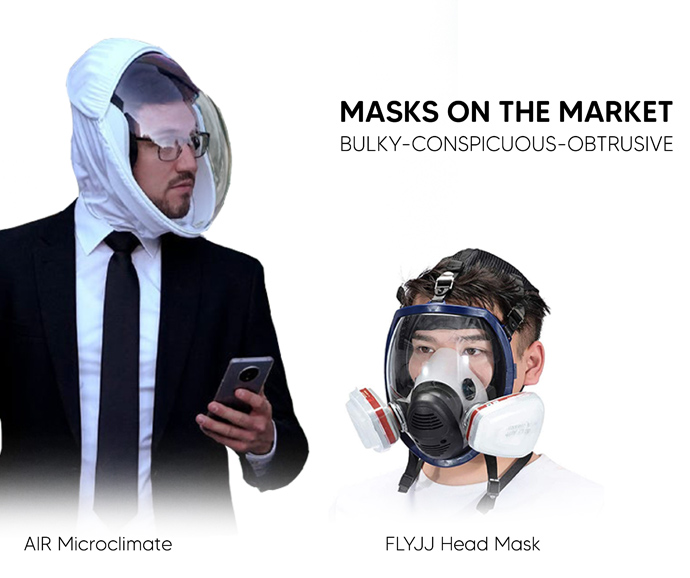
During COVID, most protective solutions focused on hard products — masks, shields, and barriers. But there was a gap in wearable systems that could:

  • Integrate into daily behavior
  • Provide functional protection
  • Remain comfortable over extended use
  • Be scalable for production

Designing a textile-based product for this context introduced additional challenges:

  • Balancing protection with wearability
  • Ensuring comfort during long durations
  • Creating a system that users would consistently adopt
  • Designing for manufacturability under time-sensitive conditions
Our Role

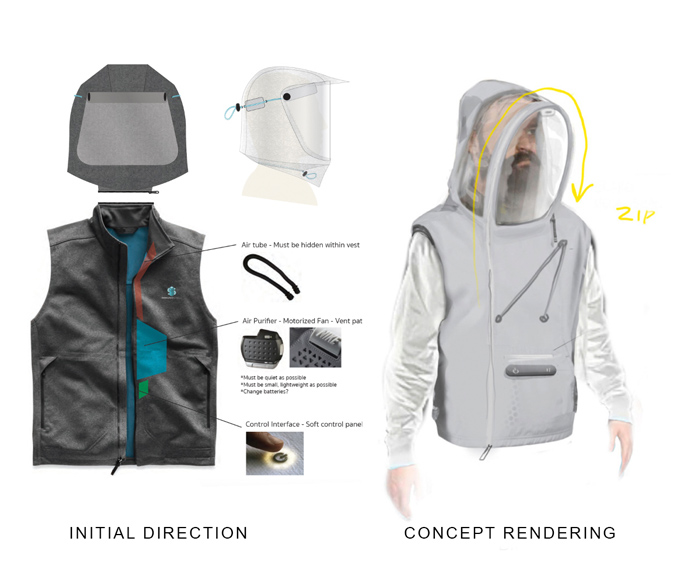
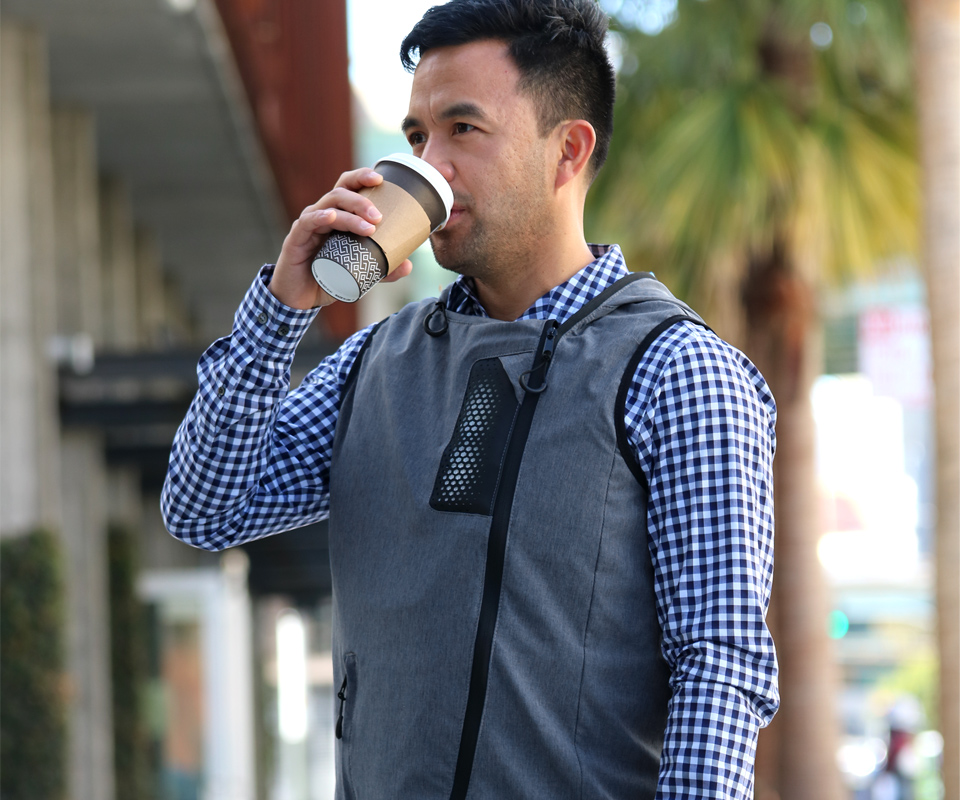
studioFAR led the wearable textile system design, including:

  • Soft goods construction and pattern development
  • Material strategy for comfort and performance
  • Functional integration of protective elements
  • Ergonomic design for extended wear
  • Design for manufacturing (DFM) and scalability

The focus was on creating a product that worked in real-world conditions — not just conceptually.
Approach

1. Wearable System Design

The vest was designed as a system — not just a garment.

We considered:

  • How the product interacts with the body over time
  • Movement, flexibility, and fit
  • Ease of use in everyday environments

2. Material Strategy

Material selection was critical to balancing:

  • Breathability
  • Comfort
  • Durability
  • Functional performance

The goal was to create a product users would actually wear consistently.
Soft Goods Designer, Softgoods Designer, Soft Goods Design Firm, Softgoods Design Firm, Soft Goods Industrial Designer, Soft Goods Design, Softgoods Design, Softgoods prototyping, Soft Goods Prototyping, Soft Goods Product Designer, Technical Backpack Designer, Wearables Design, Wearable Design, Freelance Soft Goods Designer, Freelance Softgoods Designer, Soft Goods Manufacturing, Softgoods Manufacturing

Approach

3. Ergonomics & Comfort

Extended wear introduced unique constraints.

We focused on:

  • Weight distribution
  • Contact points with the body
  • Minimizing restriction of movement

Comfort was not secondary — it was essential to product success.

4. Design for Manufacturing (DFM)

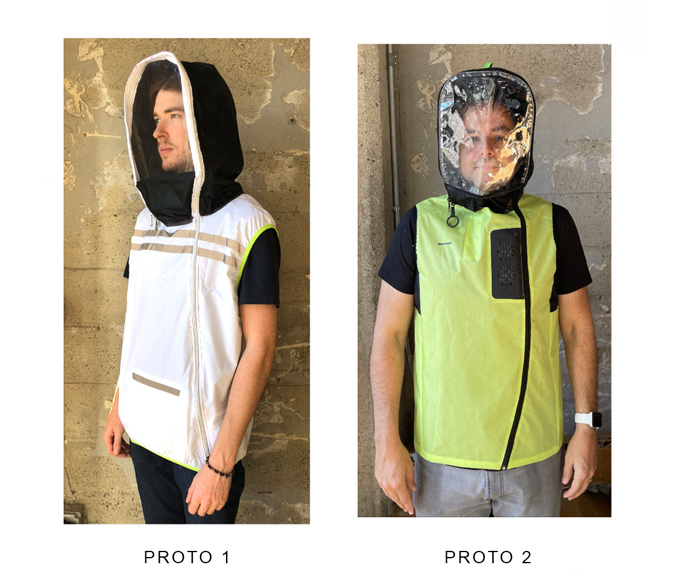
Given the urgency of the problem, the product needed to be manufacturable quickly and reliably.

We aligned the design with:

  • Available materials
  • Scalable production methods
  • Efficient assembly processes

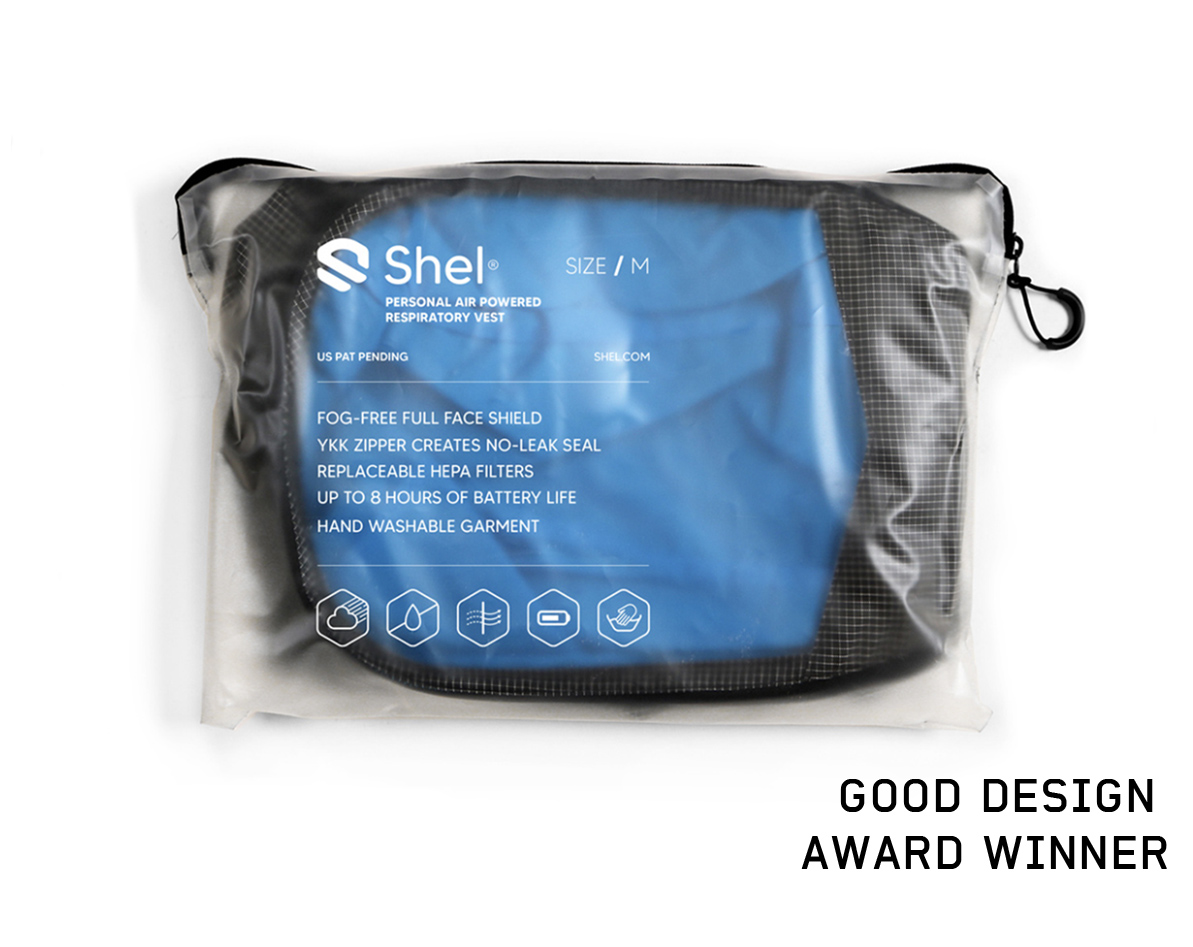
2021 Good Design Award winner https://www.good-designawards.com/

If you’re developing a wearable product where comfort, function, and manufacturability must coexist, early system-level design decisions are critical.